
Understanding Post-Concussion Syndrome and the Role of Chiropractic Care
Post-concussion syndrome (PCS) affects athletes who experience persistent symptoms after a head injury, such as dizziness, balance issues, and cognitive difficulties. While traditional medical approaches focus on symptom management, chiropractic care offers a complementary strategy by addressing spinal alignment and nervous system function. Spinal adjustments and vestibular rehabilitation are two techniques that may support recovery by reducing physical stressors and improving neural communication. These methods align with the chiropractic philosophy of optimizing the body’s natural healing processes. For athletes, maintaining physical and neurological health is critical to returning to sport safely. Chiropractors specializing in concussion recovery often collaborate with other healthcare providers to create holistic care plans tailored to individual needs.
The Role of Spinal Adjustments in Pcs Recovery
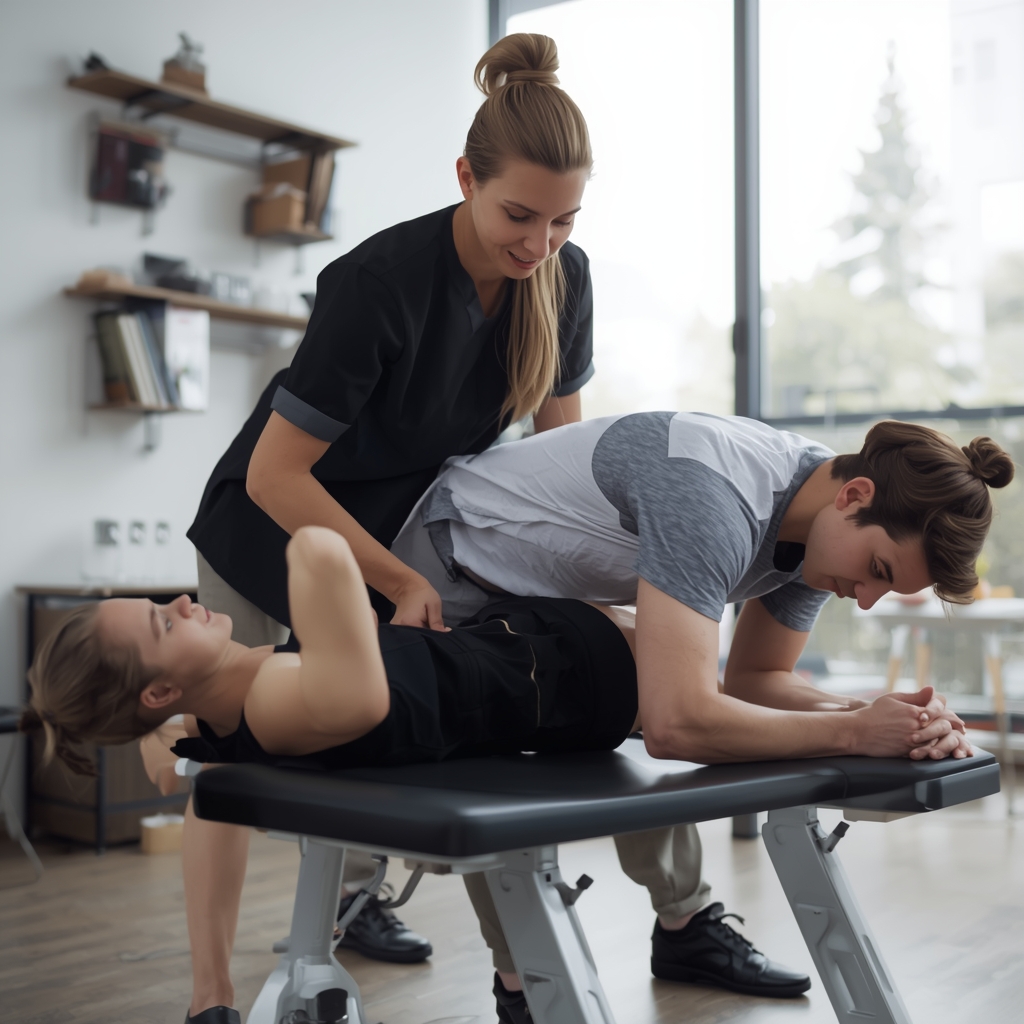
Spinal adjustments aim to correct misalignments (subluxations) that may disrupt nerve function and contribute to post-concussion symptoms. Trauma from a concussion can cause spinal instability, leading to compensatory postures or movement patterns that hinder recovery. By restoring proper alignment, adjustments may alleviate tension in the neck and upper back, which are common areas of dysfunction after head injuries. This can reduce headaches, improve range of motion, and support the body’s ability to process sensory information. While research on spinal adjustments for PCS is limited, anecdotal evidence suggests they may help athletes regain stability and reduce residual symptoms. However, these interventions should always be performed by a licensed chiropractor with experience in concussion care to ensure safety and effectiveness.
Vestibular Rehabilitation: A Key Component for Balance and Dizziness
Vestibular rehabilitation is a specialized form of therapy designed to address balance and dizziness caused by inner ear dysfunction, a common issue in PCS. Athletes often experience vertigo, motion sensitivity, or difficulty focusing after a concussion, which can impair performance and daily activities. This therapy uses targeted exercises to retrain the brain and vestibular system, improving coordination and reducing symptoms. When combined with chiropractic care, vestibular rehabilitation may enhance recovery by addressing both structural and neurological factors. For example, spinal adjustments can ease pressure on nerves that influence the vestibular system, while specific exercises can restore balance. This dual approach supports the body’s natural ability to adapt, helping athletes return to their sport with greater confidence and stability.
Synergistic Effects of Spinal Adjustments and Vestibular Rehabilitation
The combined use of spinal adjustments and vestibular rehabilitation may create a synergistic effect, addressing both mechanical and neurological aspects of PCS. Spinal adjustments can reduce musculoskeletal strain, allowing the body to focus on healing, while vestibular exercises target specific sensory processing issues. This integrated approach may improve outcomes by restoring normal movement patterns and reducing compensatory behaviors. For instance, an athlete with neck pain from a concussion might benefit from adjustments to alleviate pressure on nerves, while vestibular therapy helps them regain balance. Research on this combined strategy is emerging, but many practitioners report improved recovery times and symptom relief when these methods are used together. As with any treatment, individual results vary, and a chiropractor can help determine the most appropriate plan for each athlete’s condition.
Personalized Care for Athletes with Pcs
Each athlete’s recovery from PCS is unique, requiring a personalized approach that considers their injury history, sport-specific demands, and overall health. Chiropractors may use a combination of spinal adjustments, vestibular rehabilitation, and other modalities to create a tailored care plan. For example, a soccer player with balance issues might receive targeted vestibular exercises alongside adjustments to address cervical spine dysfunction. Regular assessments allow for adjustments to the treatment strategy as the athlete progresses. It’s essential for athletes to communicate openly with their healthcare team to ensure all interventions align with their goals. While chiropractic care can be a valuable component of recovery, it should complement—rather than replace—other medical recommendations. A collaborative, patient-centered approach maximizes the chances of a full and sustainable recovery.
Conclusion: Integrating Chiropractic Approaches for Optimal Recovery
Spinal adjustments and vestibular rehabilitation offer promising avenues for supporting athletes recovering from post-concussion syndrome. By addressing both structural and neurological factors, these methods may enhance recovery outcomes and help athletes return to their sport more effectively. However, the success of these interventions depends on a personalized, multidisciplinary approach that includes input from chiropractors, medical professionals, and other specialists. Athletes should consult with a qualified chiropractor to explore how these techniques might fit into their overall care plan. While research continues to evolve, many practitioners believe that integrating chiropractic care with traditional treatments can provide a more comprehensive path to recovery. For those seeking non-invasive, holistic options, these approaches may offer meaningful support in the journey toward full wellness.













