
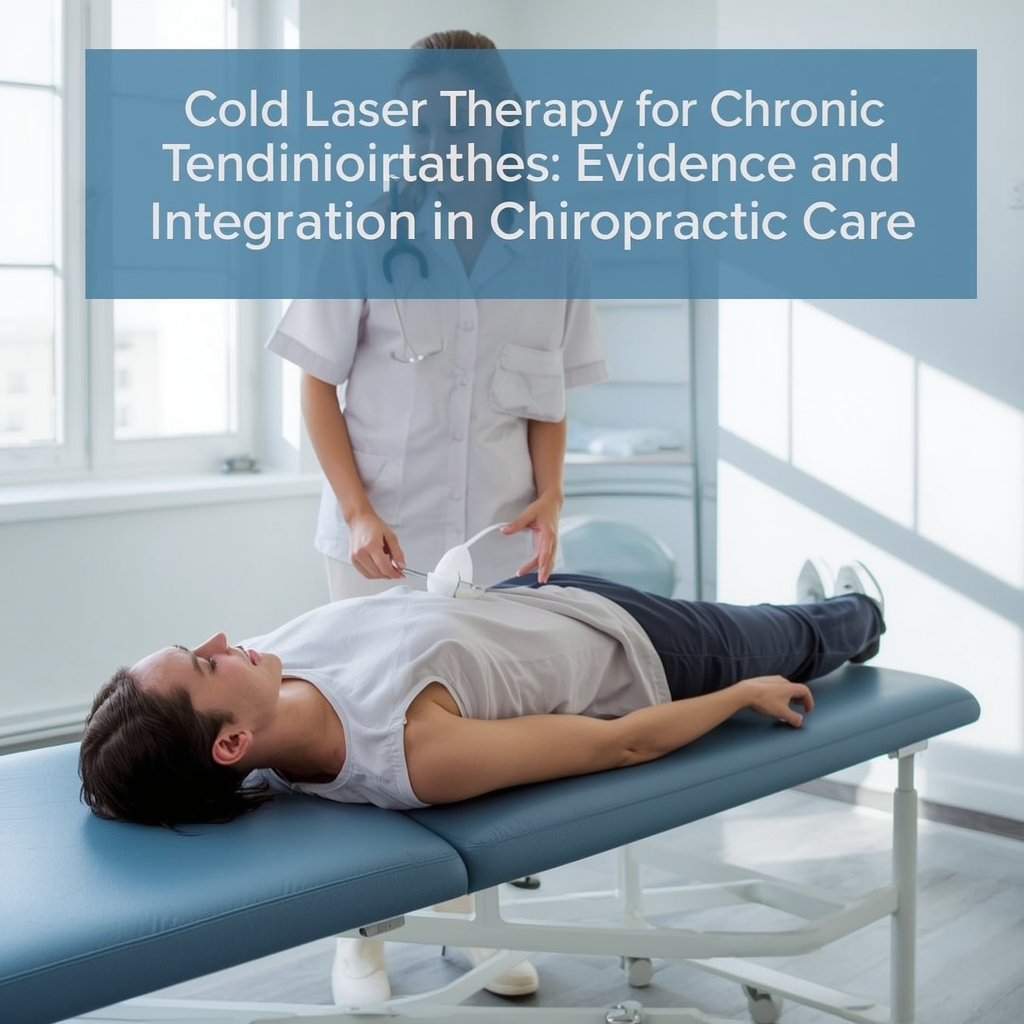
Understanding Cold Laser Therapy for Tendinopathies
Cold laser therapy, also known as low-level laser therapy (LLLT), uses specific wavelengths of light to stimulate cellular function and reduce inflammation. It is often used for musculoskeletal conditions, including chronic tendinopathies—long-term tendon injuries that cause pain and reduced mobility. While the exact mechanisms are still under study, researchers suggest that laser therapy may enhance tissue repair and modulate pain signals. For chiropractors, this non-invasive approach offers a potential adjunct to traditional treatments like spinal adjustments and soft tissue therapies. However, its role in managing chronic tendinopathies remains an evolving area of interest, requiring careful evaluation of available evidence.
Evidence Supporting Cold Laser Therapy
Research on cold laser therapy for chronic tendinopathies shows mixed but promising results. Some studies indicate that it may reduce pain and improve function in conditions like Achilles tendinopathy or patellar tendinitis, though outcomes vary. The lack of standardized protocols and inconsistent study designs makes it challenging to draw definitive conclusions. While some clinical trials report measurable benefits, others find minimal or no effect. This variability highlights the need for more rigorous, large-scale research to establish clear guidelines. Chiropractors should remain cautious, relying on the broader medical consensus that cold laser therapy may be a useful tool in some cases but not a standalone solution for all patients.
How Cold Laser Therapy Works
Cold laser therapy operates by delivering low-intensity light to the affected area, which is believed to interact with cellular mitochondria to boost energy production and reduce inflammation. This process may accelerate tissue healing and alleviate pain associated with chronic tendinopathies. Unlike surgical interventions, it does not require incisions or anesthesia, making it a less invasive option. However, the exact biological pathways remain incompletely understood. Chiropractors often use it in conjunction with other therapies, such as manual adjustments or rehabilitative exercises, to address both pain and underlying musculoskeletal imbalances. Patients should consult their provider to determine if this approach aligns with their individual treatment goals.
Integrating Cold Laser Therapy into Chiropractic Care
Chiropractors may incorporate cold laser therapy into treatment plans for chronic tendinopathies as part of a multifaceted approach. It is often used alongside spinal adjustments, soft tissue work, and rehabilitative exercises to address pain and restore function. The therapy’s non-invasive nature makes it suitable for patients seeking alternatives to medication or surgery. However, its effectiveness depends on factors like the condition’s severity, the patient’s overall health, and the practitioner’s expertise. Chiropractors should discuss the potential benefits and limitations of cold laser therapy with patients, ensuring it complements other evidence-based interventions rather than replacing them.
Considerations and Limitations
While cold laser therapy is generally considered safe, its efficacy for chronic tendinopathies is not universally supported. Individual responses can vary, and some patients may experience little to no improvement. Additionally, the lack of standardized treatment protocols complicates its application. Chiropractors must stay informed about the latest research and avoid making unsupported claims about its effectiveness. Patients should be encouraged to maintain realistic expectations and communicate openly with their providers about their symptoms and treatment progress. As with any therapy, cold laser treatment should be part of a comprehensive care plan tailored to the patient’s unique needs.
Conclusion and Next Steps
Cold laser therapy shows potential as a complementary treatment for chronic tendinopathies, but its role in chiropractic care requires further validation through high-quality research. Chiropractors should approach its use with a balanced perspective, integrating it into treatment plans only after careful consideration of the evidence and the patient’s specific circumstances. Patients seeking this therapy should consult a qualified provider to explore whether it aligns with their overall care strategy. As the field evolves, staying informed about new findings will help ensure that cold laser therapy is used responsibly and effectively in managing musculoskeletal conditions.














