
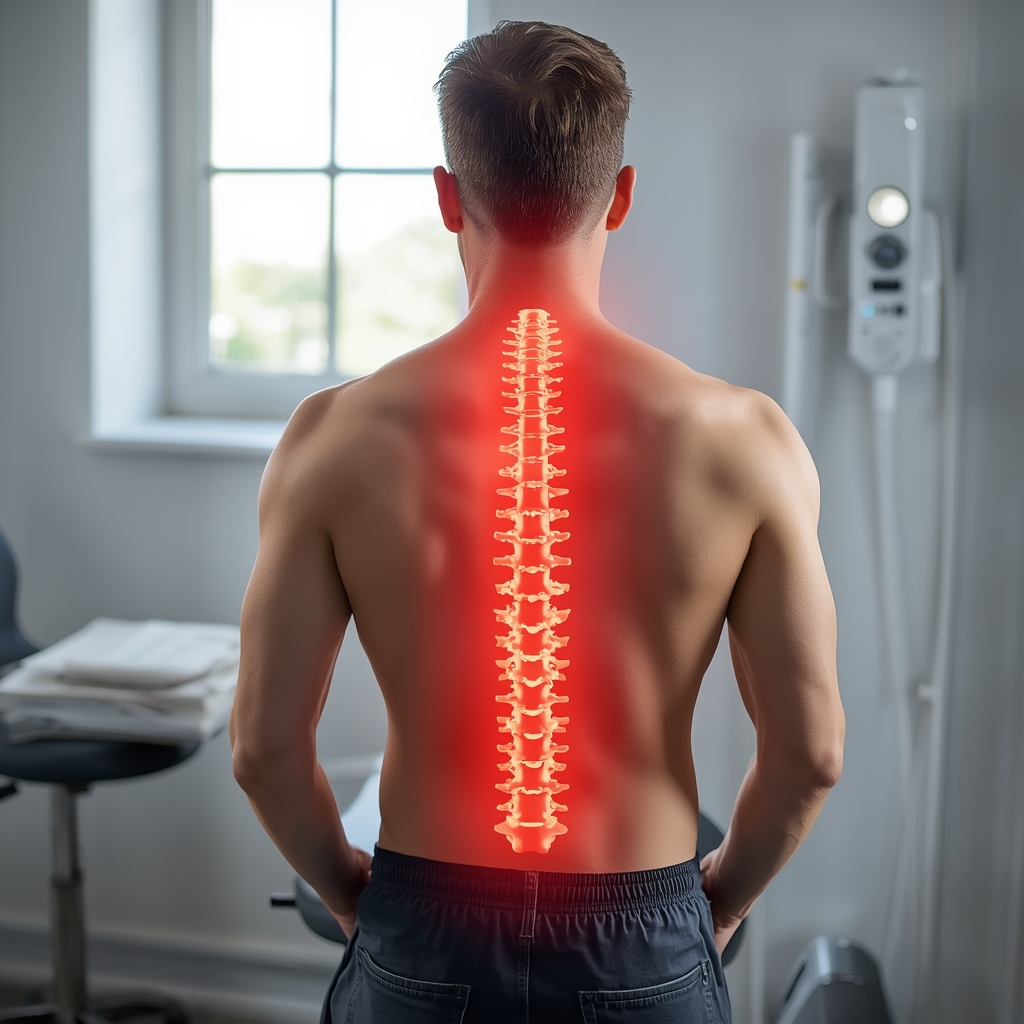
Understanding Cold Laser Therapy for Tendinopathy
Cold laser therapy, also known as low-level laser therapy (LLLT), uses specific wavelengths of light to stimulate cellular function and reduce inflammation. For chronic tendinopathy, this modality aims to enhance tissue repair and alleviate pain by promoting ATP production and reducing oxidative stress. While research on its efficacy varies, many chiropractors incorporate it as a complementary tool to support traditional treatments. The therapy is non-invasive and generally well-tolerated, making it a viable option for patients seeking drug-free alternatives. However, its success depends on proper application and integration with other therapeutic strategies.
Selecting the Right Equipment
Choosing the appropriate cold laser device is critical for effective treatment. Chiropractors should prioritize equipment that matches the patient’s condition, such as devices with specific wavelengths (e.g., 650–900 nm) and power levels tailored to the affected tissue depth. Portable units may be suitable for superficial tendons, while higher-powered devices might be needed for deeper structures. It’s essential to consult manufacturer guidelines and consider factors like beam size, treatment time, and safety features. Regular maintenance and calibration ensure consistent performance, and training on device operation helps avoid misuse. Proper equipment selection forms the foundation for maximizing therapeutic outcomes.
Proper Application Techniques
Effective cold laser therapy requires precise application parameters. Chiropractors should determine the optimal power density, exposure duration, and treatment frequency based on the tendon’s severity and patient tolerance. A common approach involves applying the laser in a systematic pattern over the affected area, ensuring even coverage without overexposure. Treatment sessions typically last 5–15 minutes, with multiple sessions per week recommended for chronic cases. Safety protocols, such as avoiding direct eye contact and using protective barriers, are crucial. Consistency in technique and adherence to device specifications help minimize risks while maximizing the therapy’s potential to reduce pain and improve mobility.
Integrating with Other Therapeutic Approaches
Combining cold laser therapy with other chiropractic techniques can enhance its effectiveness for chronic tendinopathy. For instance, pairing it with manual adjustments, soft tissue work, or rehabilitative exercises may address both structural and functional aspects of the condition. Chiropractors should coordinate these modalities to avoid conflicting treatments and ensure a cohesive care plan. Patients may benefit from a multidisciplinary approach that includes activity modification, ergonomic adjustments, and lifestyle counseling. However, the specific combination should be tailored to the individual, emphasizing collaboration with qualified professionals to avoid overuse or misapplication of therapies.
Ensuring Patient Positioning and Treatment Consistency
Proper patient positioning during cold laser therapy is essential for optimal light penetration and therapeutic effect. The treated area should be accessible and free from obstructions, allowing the laser to target the tendon effectively. Chiropractors may use padding or supports to maintain comfort and stability throughout the session. Consistency in treatment frequency and duration also plays a key role in long-term outcomes. Patients should follow prescribed schedules to build cumulative benefits, while adjustments to the protocol may be necessary based on their response. Regular communication between the chiropractor and patient helps address any concerns and ensures the therapy aligns with overall recovery goals.
Monitoring Progress and Adjusting Protocols
Tracking a patient’s response to cold laser therapy is vital for refining treatment strategies. Chiropractors should assess pain levels, range of motion, and functional improvements during follow-up visits to determine the therapy’s effectiveness. If progress plateaus, adjustments to parameters like wavelength, power, or session frequency may be warranted. It’s important to document changes and collaborate with other healthcare providers if needed. Patients should be encouraged to report any adverse effects or lack of improvement. By maintaining a flexible, evidence-based approach, chiropractors can optimize cold laser therapy’s role in managing chronic tendinopathy while prioritizing patient safety and satisfaction.














