
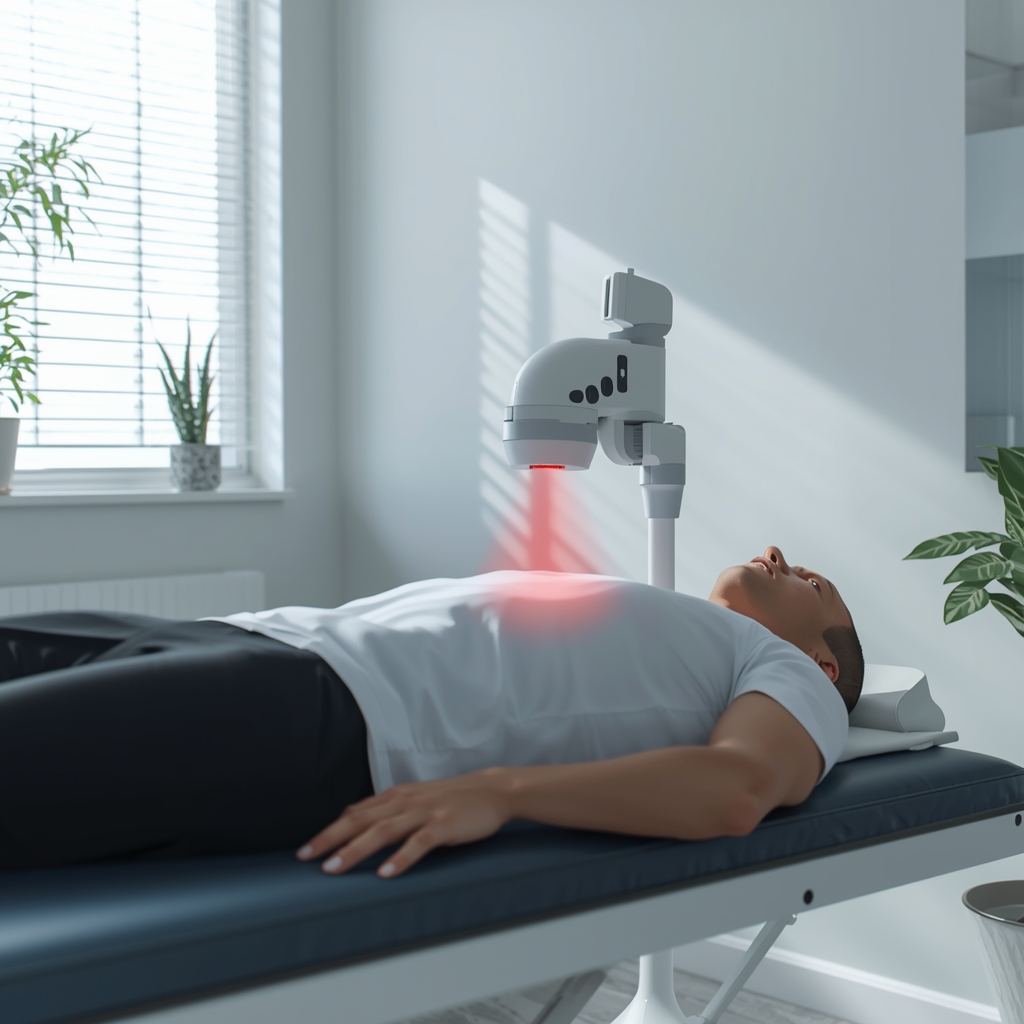
Understanding Cold Laser Therapy
Cold laser therapy, also known as low-level laser therapy (LLLT), is a non-invasive treatment that uses specific wavelengths of light to stimulate cellular function. It is often used in chiropractic care to reduce pain, inflammation, and promote tissue repair. Unlike surgical lasers, cold lasers do not generate heat, making them safe for targeted use on soft tissues. This therapy is particularly appealing for athletes with chronic tendonitis, as it offers a drug-free alternative to traditional treatments. While widely used, its efficacy remains a topic of discussion in medical and chiropractic circles. Understanding how cold laser therapy works and its potential role in managing chronic tendonitis can help athletes make informed decisions about their care.
How Cold Laser Therapy Works
The mechanism of cold laser therapy involves photobiomodulation, where light energy is absorbed by cells to enhance metabolic processes. This can reduce inflammation, improve blood flow, and accelerate tissue healing. For chronic tendonitis, which involves persistent inflammation and microtears in tendons, this therapy may help alleviate symptoms by targeting affected areas. While the exact biological pathways are still being studied, many practitioners believe the therapy supports the body’s natural healing abilities. Athletes often seek cold laser therapy for its potential to minimize downtime and avoid invasive procedures. However, its effectiveness can vary based on factors like treatment duration, laser parameters, and individual health conditions.
Evidence for Chronic Tendonitis
Research on cold laser therapy for chronic tendonitis is ongoing, with mixed results. Some studies suggest it may reduce pain and improve function in conditions like tennis elbow or Achilles tendinopathy, though findings are not universally conclusive. The therapy is often used alongside other treatments, such as physical therapy or anti-inflammatory medications, to address the multifaceted nature of tendon injuries. Athletes, who rely on rapid recovery, may benefit from its potential to complement traditional approaches. However, the lack of large-scale, high-quality trials means its role remains debated. Patients are encouraged to discuss options with a chiropractor to determine if it aligns with their specific needs and goals.
Cold Laser Therapy for Athletes
Athletes with chronic tendonitis face unique challenges, including the need for quick recovery to maintain performance. Cold laser therapy is sometimes integrated into their treatment plans due to its non-invasive nature and potential to reduce inflammation. While it is not a standalone solution, it may help manage symptoms and support rehabilitation. For example, it could be used to ease pain in a runner with patellar tendinopathy or a swimmer with shoulder tendinitis. However, results depend on factors like the severity of the condition, the athlete’s overall health, and the expertise of the practitioner. Athletes should approach cold laser therapy as part of a comprehensive care strategy, guided by a qualified chiropractor.
Considerations and Safety
When considering cold laser therapy, safety and proper application are critical. The therapy is generally considered safe, with minimal side effects reported, such as mild warmth or temporary redness at the treatment site. However, its effectiveness can vary, and it is not a substitute for professional medical evaluation. Athletes should consult a licensed chiropractor to determine if it is appropriate for their condition. A thorough assessment can help identify contraindications, such as photosensitivity or certain medical conditions. Additionally, treatment protocols should be tailored to the individual, as factors like laser wavelength, power, and duration influence outcomes. Always prioritize care from a qualified provider to ensure safe and effective use.
Conclusion
Cold laser therapy offers a promising, non-invasive option for athletes dealing with chronic tendonitis, though its efficacy remains an area of active research. While some studies suggest it may help reduce inflammation and support tissue repair, results can vary, and more evidence is needed to establish definitive guidelines. For athletes, this therapy could be a valuable addition to a broader treatment plan, but it should always be discussed with a chiropractor to ensure it aligns with their specific needs. As with any medical intervention, individualized care and professional guidance are essential to achieving the best outcomes.















