
Understanding Cold Laser Therapy for Chronic Tendinopathies
Cold laser therapy, also known as low-level laser therapy (LLLT), is a non-invasive treatment used to reduce pain and inflammation in chronic tendinopathies. These conditions, such as tennis elbow or Achilles tendinopathy, involve degeneration of tendons due to repetitive stress. Cold laser therapy works by delivering light energy to the affected area, stimulating cellular activity and promoting tissue repair. While research on its efficacy is ongoing, many practitioners use it as part of a multidisciplinary approach. It is often combined with other therapies like physical rehabilitation or spinal adjustments. Patients typically experience reduced discomfort and improved mobility over time. However, results can vary, and it is important to consult a qualified chiropractor to determine if this therapy aligns with individual needs.
Key Parameters for Effective Cold Laser Therapy
The effectiveness of cold laser therapy depends on several parameters, including wavelength, power output, and treatment duration. Common wavelengths range from 600 to 1000 nanometers, with red and near-infrared light being most frequently used. Power levels typically fall between 50 to 500 milliwatts, though the exact setting depends on the condition being treated. Treatment sessions usually last 10 to 30 minutes, with frequency ranging from daily to weekly sessions over several weeks. For chronic tendinopathies, longer durations and consistent applications are often recommended. Practitioners may adjust these parameters based on the patient’s response and the severity of the condition. Proper calibration and adherence to guidelines are critical to ensure safety and optimal outcomes.
How Cold Laser Therapy Supports Tendon Healing
Cold laser therapy promotes tendon healing by enhancing mitochondrial function and increasing adenosine triphosphate (ATP) production, which fuels cellular repair processes. It also reduces oxidative stress and inflammation, key factors in chronic tendinopathy progression. By improving blood flow and stimulating collagen synthesis, the therapy helps strengthen tendon structures over time. While it does not directly address spinal misalignments, its pain-relieving effects can indirectly support spinal health by reducing compensatory postural changes. Patients may experience less strain on the musculoskeletal system, potentially improving the effectiveness of spinal adjustments. However, cold laser therapy is not a standalone solution and works best when integrated into a comprehensive treatment plan.
Complementing Spinal Adjustments With Cold Laser Therapy
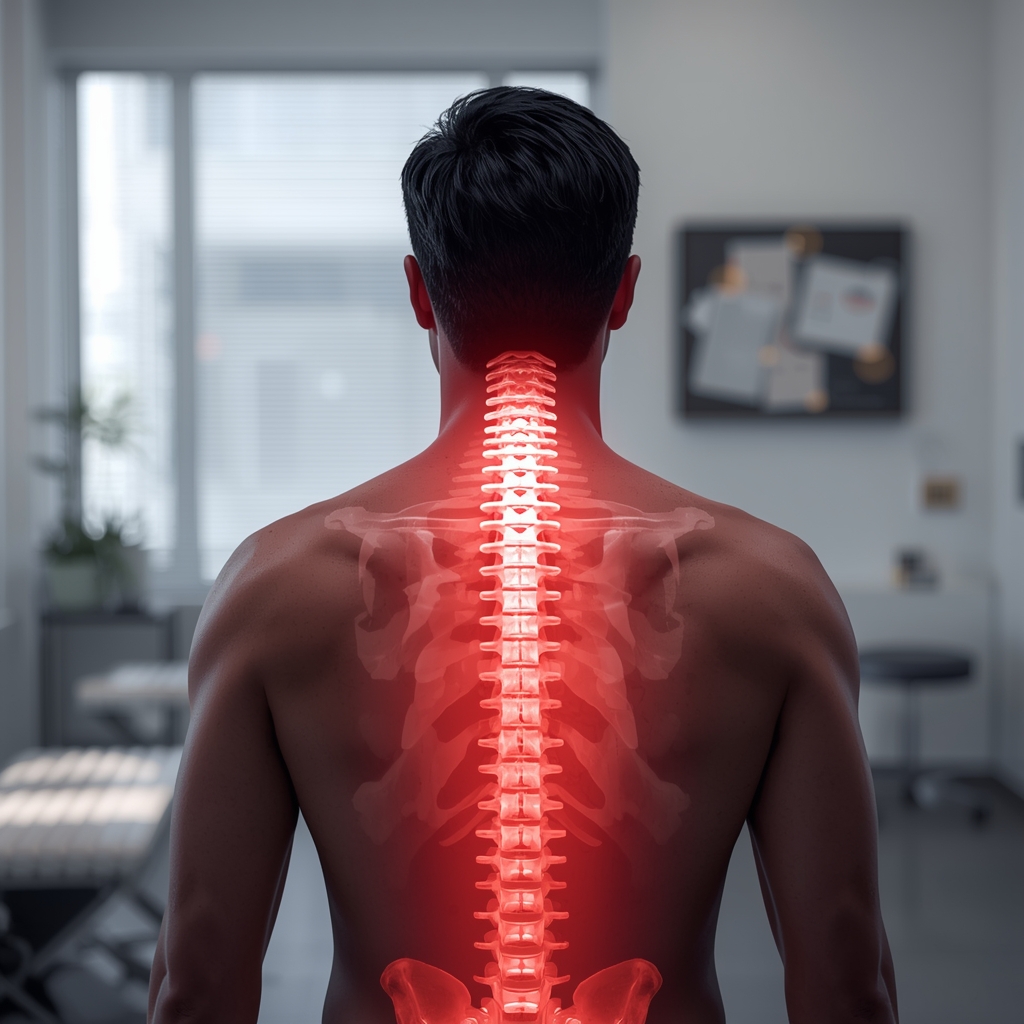
Spinal adjustments and cold laser therapy can work synergistically to address musculoskeletal issues. While spinal adjustments realign the spine to improve nerve function and reduce mechanical stress, cold laser therapy targets localized inflammation and pain. For patients with chronic tendinopathies linked to postural imbalances or nerve irritation, combining these approaches may enhance overall recovery. For example, reduced tendon pain from cold laser therapy can make spinal adjustments more comfortable and effective. Conversely, improved spinal alignment may alleviate referred pain patterns that complicate tendinopathy management. Practitioners often tailor treatment sequences to maximize benefits, such as applying cold laser therapy before adjustments to prepare the affected area.
Evidence and Considerations for Clinical Use
While cold laser therapy is widely used, its evidence base remains evolving. Some studies suggest it may reduce pain and improve function in tendinopathies, but results are inconsistent. Factors like device quality, operator expertise, and patient compliance influence outcomes. Clinicians must prioritize proper training and equipment calibration to avoid suboptimal results. Patients should also be informed about realistic expectations and potential limitations. Cold laser therapy is not a substitute for conventional treatments like physical therapy or medical interventions. Instead, it serves as an adjunctive tool. Open communication between patients and chiropractors is essential to monitor progress and adjust protocols as needed.
Consulting a Chiropractor for Personalized Care
Each patient’s condition and response to treatment differ, making personalized care essential. A chiropractor can assess the specific nature of a tendinopathy and determine if cold laser therapy is appropriate. They will consider factors like the tendon’s location, duration of symptoms, and overall health. For those undergoing spinal adjustments, the chiropractor may integrate cold laser therapy to address secondary issues contributing to pain. It is crucial to avoid self-administering laser treatments, as improper use can lead to complications. Regular follow-ups allow for adjustments to the treatment plan, ensuring safety and effectiveness. By working with a qualified professional, patients can explore how cold laser therapy may complement their broader care strategy.













