
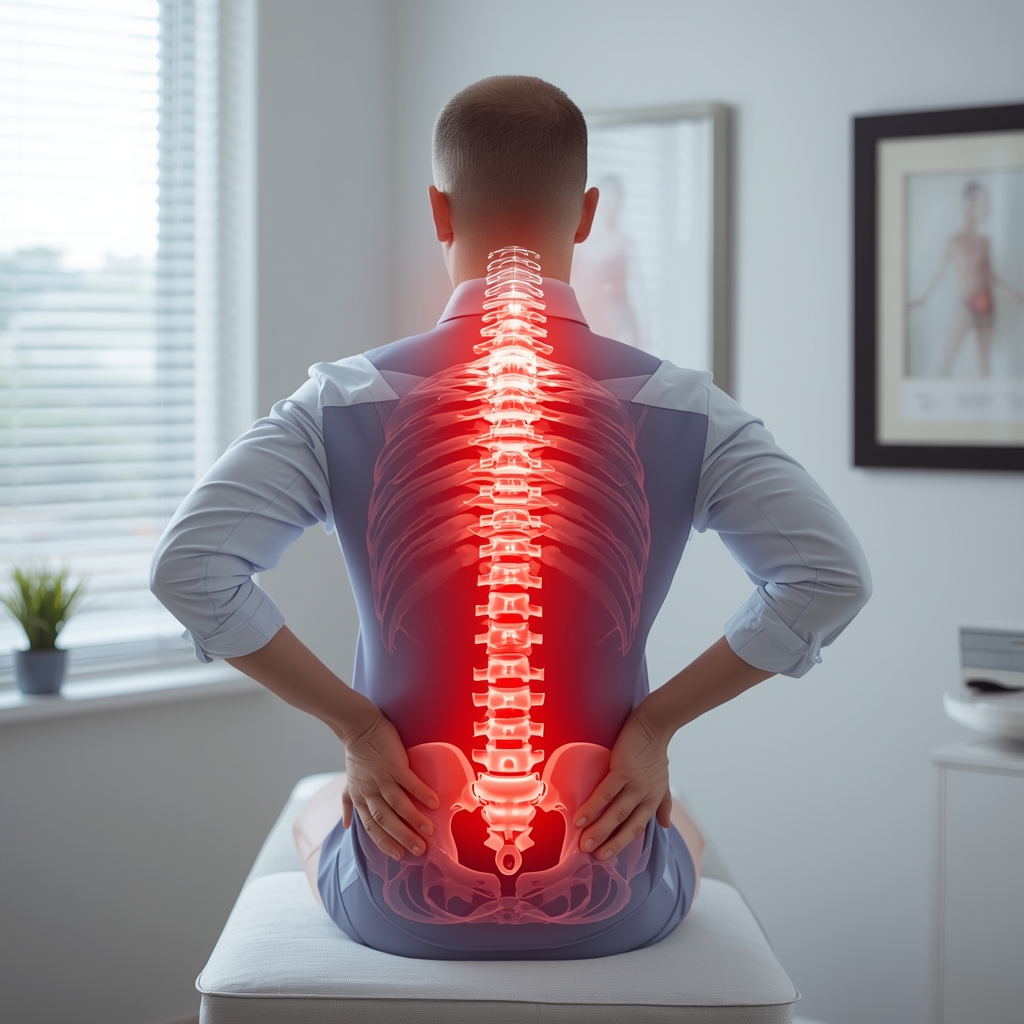
Understanding Cold Laser Therapy and Spinal Adjustments
Cold laser therapy, also known as low-level laser therapy (LLLT), uses specific wavelengths of light to stimulate cellular function and reduce inflammation. Spinal adjustments, a cornerstone of chiropractic care, aim to correct misalignments in the spine to alleviate pain and improve mobility. When combined, these approaches address chronic lower back pain from multiple angles. Cold laser therapy targets soft tissues and nerve pathways, while spinal adjustments focus on structural alignment. This integration allows for a more holistic treatment strategy, potentially enhancing recovery outcomes. Both methods are non-invasive and generally well-tolerated, making them appealing options for long-term pain management. However, their effectiveness depends on individual patient needs and the expertise of the chiropractor overseeing the care plan.
How Cold Laser Therapy Enhances Spinal Adjustments
Cold laser therapy can amplify the benefits of spinal adjustments by reducing inflammation and promoting tissue repair. Chronic lower back pain often involves inflamed muscles, ligaments, or nerves, which cold laser therapy may help alleviate. By decreasing inflammation, this therapy can make spinal adjustments more effective, as reduced swelling allows for greater mobility and less resistance during adjustments. Additionally, cold laser therapy may stimulate the release of endorphins, the body’s natural painkillers, further supporting pain relief. When used alongside adjustments, it creates a synergistic effect, addressing both the structural and physiological aspects of chronic pain. This combined approach can lead to faster recovery times and improved long-term outcomes for patients seeking non-surgical solutions.
Scientific Basis for Combined Treatments
While research on cold laser therapy is ongoing, studies suggest it may influence cellular metabolism and reduce inflammatory markers. Spinal adjustments, supported by decades of clinical practice, aim to restore proper spinal mechanics. The combination of these therapies aligns with principles of integrative care, where multiple modalities address different facets of a condition. For chronic lower back pain, this could mean targeting both nerve irritation and musculoskeletal imbalances. However, the exact mechanisms of how these treatments interact remain an area of active investigation. Practitioners often rely on clinical experience and patient feedback to refine treatment plans, emphasizing the importance of personalized care in chiropractic practice.
Benefits for Chronic Lower Back Pain Patients
Patients with chronic lower back pain may experience several advantages from combining cold laser therapy with spinal adjustments. The therapy’s anti-inflammatory properties can reduce pain and stiffness, making adjustments more comfortable and effective. It may also accelerate the body’s natural healing processes, supporting faster recovery from musculoskeletal strain. Additionally, this dual approach can decrease reliance on medication, offering a drug-free alternative for pain management. Many patients report improved range of motion and reduced discomfort after consistent treatment. However, results vary, and ongoing communication with a chiropractor is essential to monitor progress and adjust strategies as needed.
Considerations and Patient Safety
While cold laser therapy is generally safe, it is not suitable for everyone. Patients with certain medical conditions, such as photosensitivity or active infections, should consult their healthcare provider before undergoing treatment. Spinal adjustments also carry risks if not performed by a qualified professional, emphasizing the need for experienced chiropractors. When combining these therapies, transparency about medical history and current symptoms is crucial. Patients should discuss potential side effects, such as temporary soreness or skin irritation, with their provider. Ultimately, the decision to integrate cold laser therapy with adjustments should be based on a thorough evaluation of individual needs and goals.
Consulting a Chiropractor for Personalized Care
Every patient’s experience with chronic lower back pain is unique, requiring tailored treatment approaches. A chiropractor can assess whether cold laser therapy complements spinal adjustments based on factors like pain severity, underlying causes, and overall health. They may recommend a phased treatment plan, starting with adjustments to address structural issues and incorporating laser therapy to support healing. Regular follow-ups allow for adjustments to the protocol as needed. Patients should feel empowered to ask questions and express concerns about their care. By working collaboratively with a chiropractor, individuals can explore integrative options that align with their health objectives and lifestyle.













