
Understanding Cold Laser Therapy and Its Role in Pain Management
Cold laser therapy, also known as low-level laser therapy (LLLT), is a non-invasive treatment that uses specific wavelengths of light to stimulate cellular function and reduce inflammation. It is often used to address pain and swelling associated with musculoskeletal conditions, including arthritis. Unlike surgical lasers, cold lasers do not generate heat, making them safe for localized application. The therapy works by promoting ATP production in cells, which can enhance tissue repair and reduce oxidative stress. For individuals with chronic arthritis-related joint pain, cold laser therapy offers a drug-free option to complement traditional treatments. While it is not a standalone solution, its ability to target pain at the cellular level makes it a valuable tool in a holistic care plan. Chiropractors may integrate cold laser therapy into treatment protocols to address both pain and underlying inflammation, supporting the body’s natural healing processes.
How Spinal Adjustments Address Joint Pain and Arthritis
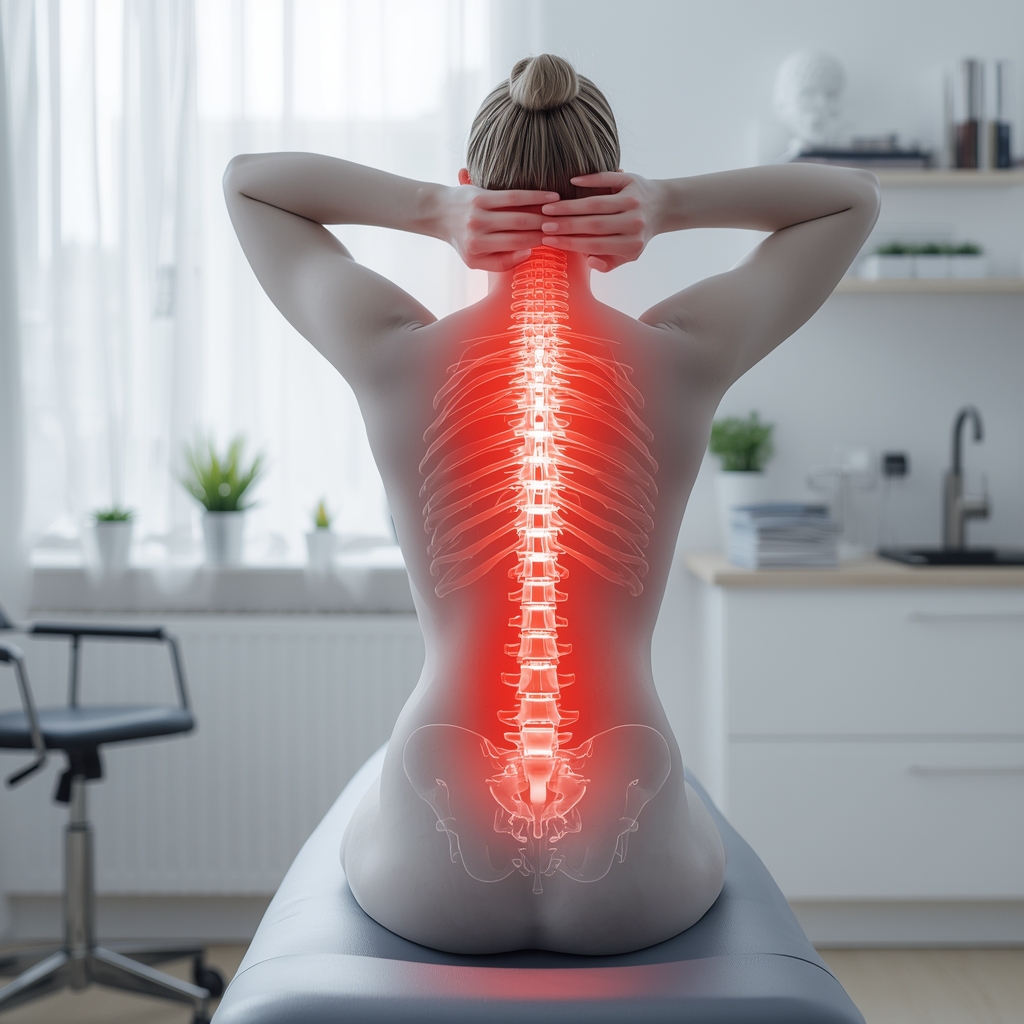
Spinal adjustments, a cornerstone of chiropractic care, aim to correct misalignments in the spine that may contribute to joint pain and reduced mobility. For individuals with arthritis, these adjustments can help alleviate pressure on nerves and improve joint function. By restoring proper spinal alignment, chiropractors may reduce inflammation and enhance the body’s ability to manage pain. Arthritis often affects joints beyond the spine, such as the knees, hips, and hands, but spinal health plays a critical role in overall musculoskeletal function. Misalignments in the spine can create compensatory patterns that worsen joint strain, making spinal care essential for comprehensive pain management. Regular adjustments may also improve range of motion and reduce stiffness, which are common symptoms of arthritis. When combined with other therapies, spinal adjustments can provide a multifaceted approach to managing chronic joint pain and improving quality of life.
The Synergy Between Cold Laser Therapy and Spinal Adjustments
When used together, cold laser therapy and spinal adjustments can create a synergistic effect that enhances pain relief and functional outcomes. Spinal adjustments address structural imbalances, while cold laser therapy targets inflammation and promotes tissue healing. This combination may lead to faster recovery and longer-lasting results for patients with arthritis. For example, after an adjustment, cold laser therapy can reduce post-treatment soreness and accelerate the body’s adaptation to the new alignment. Additionally, the anti-inflammatory properties of cold laser therapy may support the spine’s ability to maintain proper function over time. By addressing both mechanical and biochemical factors, this integrated approach can offer more comprehensive relief than either treatment alone. Chiropractors often tailor these therapies to individual needs, ensuring that patients receive a personalized plan that maximizes benefits while minimizing discomfort.
Scientific Consensus on Combined Therapies for Arthritis
While research on cold laser therapy and spinal adjustments is ongoing, there is growing evidence supporting their combined use for arthritis-related pain. Studies suggest that low-level laser therapy can reduce inflammation and improve joint function in conditions like osteoarthritis, though results vary based on treatment parameters and patient factors. Spinal adjustments have also been shown to alleviate pain and improve mobility in some arthritis cases, particularly when misalignments contribute to joint stress. Although no single study definitively proves the effectiveness of combining these therapies, clinical observations and patient reports indicate that many find relief through integrative approaches. Chiropractors often rely on this evidence-based consensus to guide treatment decisions, emphasizing that individual responses may differ. Patients are encouraged to discuss their options with a qualified provider to determine the best course of action for their specific condition.
Considerations for Patients Seeking Combined Treatments
Patients considering cold laser therapy alongside spinal adjustments should consult a licensed chiropractor to ensure the treatments are appropriate for their condition. Factors such as the type and severity of arthritis, overall health, and previous treatments will influence the suitability of this approach. It is important to note that while both therapies are generally safe, they may not be effective for everyone. Some individuals may experience temporary discomfort or no immediate relief, highlighting the need for patience and consistent care. Patients should also communicate openly with their provider about any medications, allergies, or other health concerns. A thorough evaluation will help determine the optimal treatment plan, which may include additional therapies like physical therapy or lifestyle modifications. By working closely with a healthcare professional, patients can make informed decisions that align with their goals and comfort levels.
Conclusion: A Holistic Approach to Chronic Joint Pain
Combining cold laser therapy with spinal adjustments offers a holistic approach to managing chronic arthritis-related joint pain. By addressing both structural and inflammatory components, this integrated method can provide more comprehensive relief than either treatment alone. Patients may experience reduced pain, improved mobility, and enhanced overall well-being through this complementary strategy. However, it is essential to approach these therapies as part of a broader care plan, guided by a qualified chiropractor. Individual results may vary, and ongoing communication with healthcare providers is key to optimizing outcomes. As research continues to evolve, the role of cold laser therapy and spinal adjustments in arthritis management will likely expand, offering new possibilities for those seeking effective, non-invasive solutions.













