
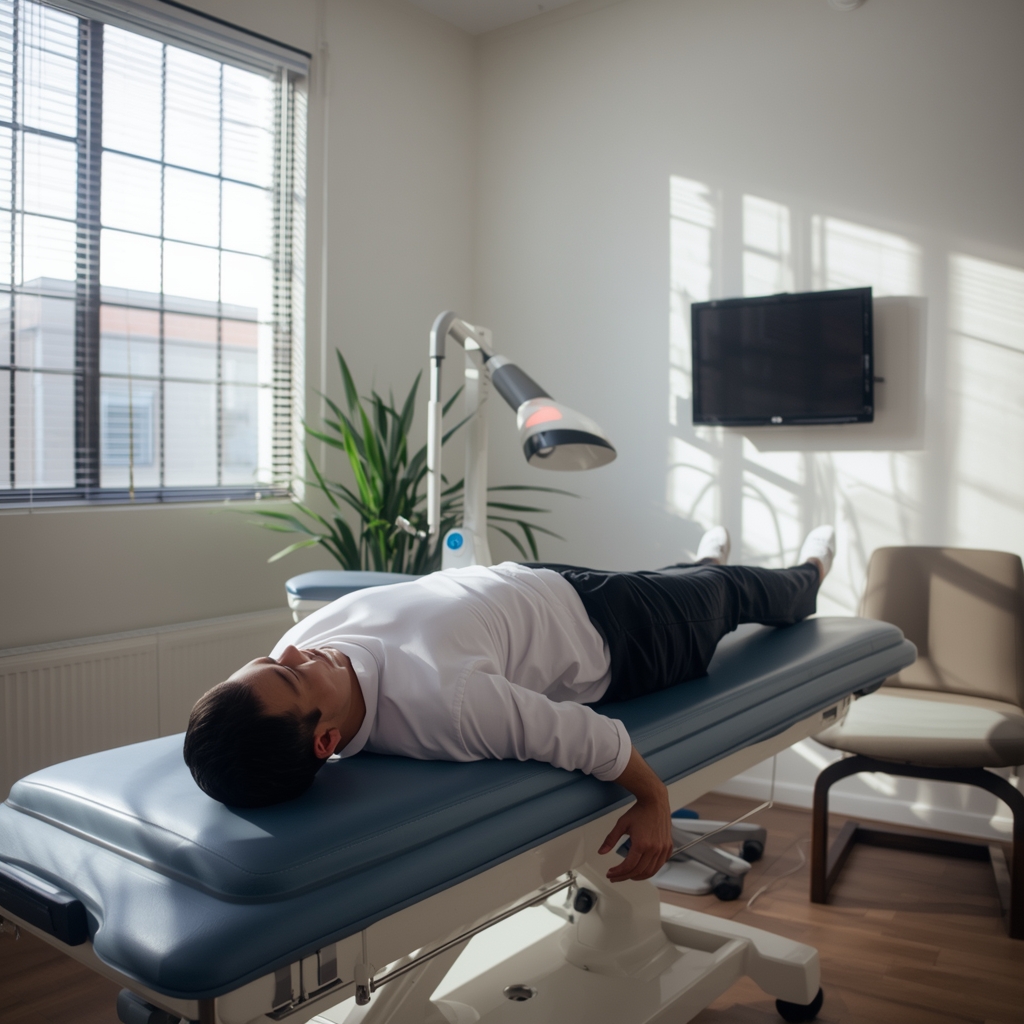
Understanding Tendinopathies in Athletes
Tendinopathies, such as Achilles tendinopathy or patellar tendinitis, are common overuse injuries among athletes. These conditions involve degeneration of tendon tissue, often due to repetitive strain, leading to pain and reduced performance. Traditional treatments include rest, physical therapy, and anti-inflammatory measures. As athletes seek faster recovery options, cold laser therapy has emerged as a potential alternative. This article explores the evidence supporting its use and compares it to conventional physical therapy approaches.
What Is Cold Laser Therapy?
Cold laser therapy, also known as low-level laser therapy (LLLT), uses specific wavelengths of light to stimulate cellular function. It is non-invasive and aims to reduce inflammation, enhance tissue repair, and alleviate pain. In sports medicine, it is often used for musculoskeletal injuries, including tendinopathies. The therapy is believed to promote ATP production in cells, which can accelerate healing processes. While its mechanisms are still under study, many practitioners report positive outcomes when integrating it into treatment plans for athletes.
Traditional Physical Therapy for Tendinopathies
Conventional physical therapy for tendinopathies typically involves a combination of exercises, manual therapy, and modalities like ultrasound or ice. Strengthening and stretching routines are central to rehabilitation, aiming to restore function and prevent recurrence. Manual techniques, such as soft tissue mobilization, may also be used to address stiffness. While effective for many, traditional methods can require long-term commitment and may not always provide rapid relief. Athletes often seek adjunctive therapies to complement these approaches and expedite recovery.
Evidence Supporting Cold Laser Therapy
Research on cold laser therapy for tendinopathies is evolving, with some studies suggesting it may reduce pain and improve function. Mechanistically, it is thought to modulate inflammatory responses and stimulate collagen synthesis, which is critical for tendon repair. However, the evidence remains mixed, with variability in study designs and outcomes. While some athletes report benefits, more rigorous, large-scale trials are needed to establish definitive guidelines. As with any treatment, individual results can vary, and professional evaluation is essential.
Comparing Cold Laser Therapy and Physical Therapy
When comparing cold laser therapy to traditional physical therapy, the key differences lie in their mechanisms and application. Physical therapy focuses on strengthening and functional restoration, while cold laser therapy targets cellular-level healing. Some athletes find cold laser therapy complementary to physical therapy, potentially reducing recovery time. However, it is not a standalone solution for structural tendon damage. A combined approach, tailored by a qualified provider, may offer the best outcomes. Athletes should discuss options with their healthcare team to determine the most suitable strategy.
Considerations for Athletes and Practitioners
For athletes, the decision to use cold laser therapy should involve a thorough discussion with a chiropractor or physical therapist. While it may offer benefits, it is not a substitute for evidence-based treatments like structured exercise programs. Practitioners must evaluate each case individually, considering injury severity, athlete goals, and overall health. Integrating cold laser therapy into a comprehensive plan can enhance recovery, but it requires professional guidance. Athletes should prioritize treatments supported by clinical expertise and avoid unproven alternatives that may delay effective care.














