
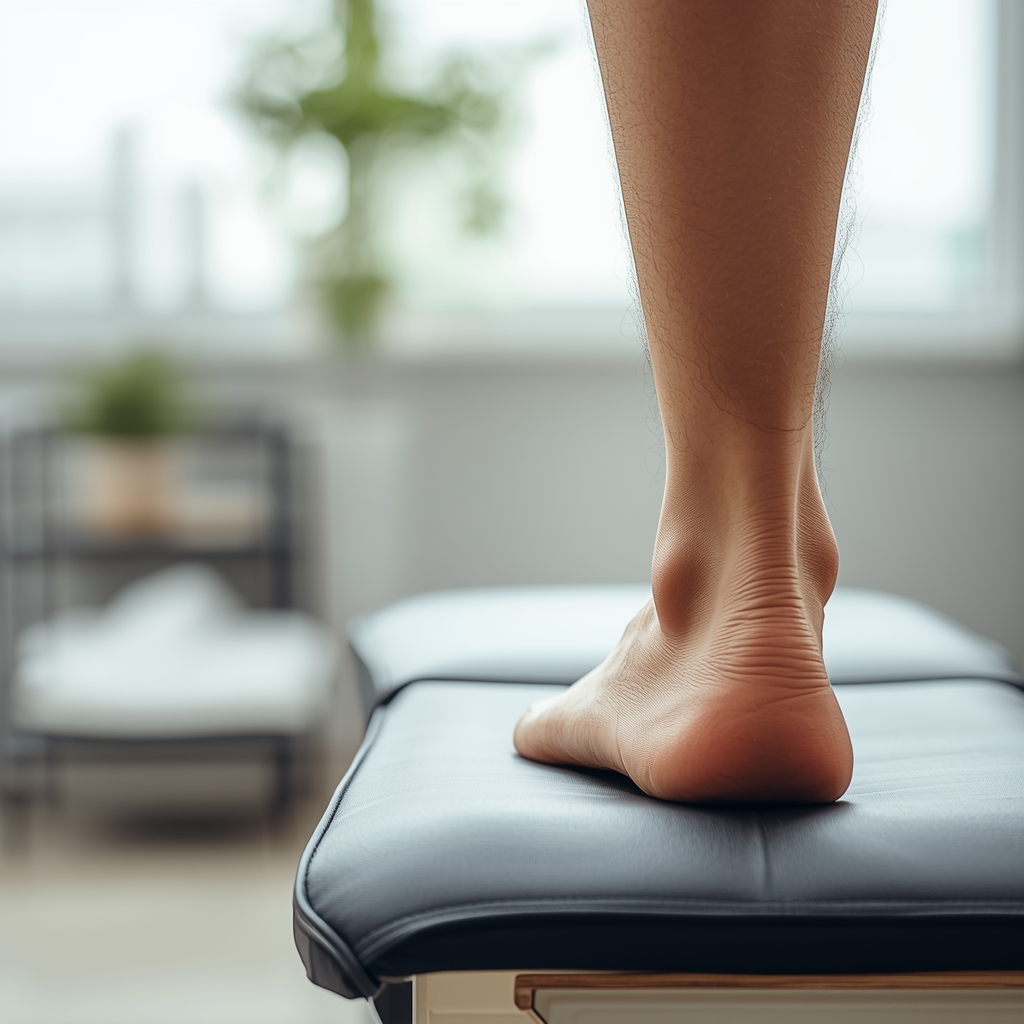
Understanding Plantar Fasciitis and ART’s Role
Plantar fasciitis, a common cause of heel pain, occurs when the thick band of tissue connecting the heel bone to the toes becomes inflamed. Active Release Technique (ART) addresses this by targeting soft tissue restrictions and adhesions that contribute to discomfort. Chiropractors use ART to assess and treat the plantar fascia, as well as surrounding muscles like the gastrocnemius and soleus. By identifying tight or damaged areas, practitioners can apply precise pressure and movement to restore normal function. This approach is particularly valuable for patients experiencing chronic pain or limited mobility. While ART is not a standalone solution, it complements other therapies and helps reduce recovery time. Its focus on soft tissue health aligns with holistic chiropractic care, making it a popular choice for both athletes and everyday individuals seeking relief.
Key ART Protocols for Plantar Fasciitis
ART protocols for plantar fasciitis typically involve identifying and breaking down adhesions in the affected tissues. Practitioners begin by palpating the foot and lower leg to locate areas of tension or restriction. Specific techniques include applying sustained pressure while the patient moves their foot through a range of motion, which helps release scar tissue and improve flexibility. Common targets include the plantar fascia, Achilles tendon, and intrinsic foot muscles. For acute cases, gentle mobilization may be prioritized, while chronic conditions might require deeper tissue work. These protocols aim to restore blood flow, reduce inflammation, and enhance tissue elasticity. By addressing the root causes of pain, ART can alleviate symptoms and prevent recurrence. However, results vary, and patients should consult a qualified chiropractor to determine the most suitable approach for their condition.
Tailoring ART for Athletes
Athletes often experience plantar fasciitis due to high-impact activities or repetitive strain. ART protocols for this group focus on rapid recovery and performance optimization. Chiropractors may use more aggressive techniques to break down scar tissue and improve flexibility, ensuring athletes can return to training sooner. Specific movements, such as toe curls and ankle rotations, are incorporated to mimic sport-specific motions and strengthen the foot’s support structures. Additionally, ART may be combined with dynamic stretching or proprioceptive exercises to enhance stability. For runners or jumpers, addressing the calf muscles and Achilles tendon is critical, as these areas are heavily involved in foot mechanics. Athletes may also benefit from regular maintenance sessions to prevent re-injury. While ART is effective, it should be part of a broader strategy that includes proper footwear, training adjustments, and rest.
Adapting ART for Everyday Patients
Everyday patients with plantar fasciitis often have different needs compared to athletes. Their treatment plans may prioritize comfort and gradual improvement over rapid recovery. ART for this group typically involves gentler techniques to avoid further irritation, focusing on relieving tension in the plantar fascia and surrounding muscles. Chiropractors might emphasize patient education, teaching self-care methods like stretching or ice therapy to manage symptoms at home. For individuals with sedentary lifestyles, sessions may include addressing postural imbalances that contribute to foot strain. Protocols might also incorporate soft tissue work on the hips or lower back, as these areas can influence foot mechanics. Regular, consistent care is key for long-term relief. Patients are encouraged to communicate openly with their chiropractor to adjust the intensity and frequency of treatments based on their progress and comfort level.
Combining ART with Other Therapies
ART is often most effective when used alongside other treatments for plantar fasciitis. Chiropractors may integrate techniques like dry needling, massage therapy, or stretching exercises to enhance outcomes. Orthotics or supportive footwear can complement ART by providing structural support and reducing strain on the plantar fascia. In some cases, physical therapy exercises are recommended to strengthen the foot and lower leg muscles, improving overall stability. Patients may also benefit from anti-inflammatory measures, such as ice therapy or nonsteroidal medications, as advised by their healthcare provider. For chronic cases, a multidisciplinary approach that includes lifestyle adjustments—like weight management or activity modification—can prevent recurrence. While ART addresses soft tissue restrictions, combining it with these strategies ensures a comprehensive solution. Always consult a qualified professional to create a personalized plan that suits your specific needs.
When to Seek Professional Help
If plantar fasciitis persists despite self-care efforts, it’s important to consult a chiropractor experienced in ART. A professional can accurately diagnose the condition and determine if soft tissue restrictions are contributing to the pain. Chiropractors use their expertise to design a tailored treatment plan, ensuring techniques are applied safely and effectively. Patients should seek help if they experience severe pain, difficulty walking, or swelling that doesn’t improve. Early intervention can prevent the condition from becoming chronic. Additionally, a chiropractor can guide patients on modifying activities or exercises to avoid further strain. While ART is a valuable tool, it’s not a substitute for a comprehensive evaluation. Trusting a qualified provider ensures the best possible outcomes and reduces the risk of complications. Regular follow-ups may also be necessary to monitor progress and adjust the treatment as needed.













