
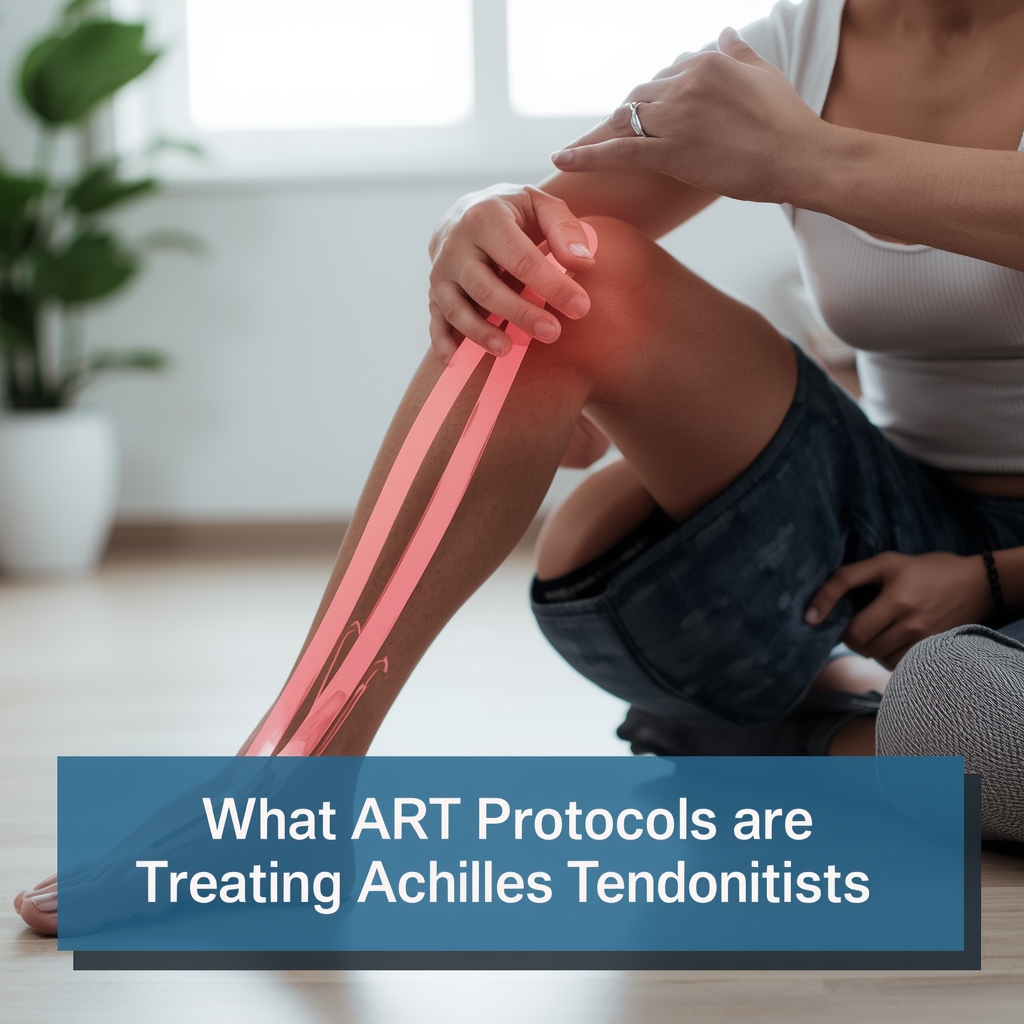
Understanding Achilles Tendonitis and ART's Role
Achilles tendonitis is a common overuse injury among athletes, characterized by inflammation and microtears in the Achilles tendon. Active Release Technique (ART) offers a targeted approach to address soft tissue restrictions and promote healing. By focusing on the unique biomechanics of the lower leg, ART helps alleviate pain and restore function. This method is particularly beneficial for athletes who require quick recovery to maintain their training schedules. While ART is not a standalone solution, it complements other therapeutic strategies. Understanding how ART interacts with the body's natural healing processes is essential for optimizing outcomes. Athletes often seek ART due to its non-invasive nature and potential to reduce reliance on medication. However, it is crucial to consult a qualified chiropractor to determine the most suitable protocols for individual cases.
Key ART Protocols for Achilles Tendonitis
Effective ART protocols for Achilles tendonitis typically involve precise soft tissue manipulation to break down adhesions and improve blood flow. Techniques such as myofascial release, cross-friction massage, and neuromuscular re-education are commonly used. These methods aim to reduce scar tissue formation and enhance the tendon's elasticity. For athletes, maintaining mobility while preventing further strain is critical. ART sessions may include dynamic movements to simulate sport-specific activities, ensuring the tendon adapts to functional demands. The chiropractor will tailor the protocol based on the injury's severity and the athlete's goals. While general guidelines exist, individualized adjustments are necessary for optimal results. Patients should expect a gradual improvement, with noticeable changes often occurring after several sessions. Consistency and adherence to the prescribed plan are key to long-term success.
Soft Tissue Therapy and ART Integration
ART is often combined with other soft tissue therapies to maximize its effectiveness for Achilles tendonitis. Techniques like dry needling, ultrasound therapy, and kinesio taping may be used alongside ART to address pain and inflammation. These modalities work synergistically to reduce recovery time and enhance tissue repair. For example, ultrasound therapy can increase blood flow to the affected area, while dry needling targets trigger points that contribute to discomfort. Integrating these approaches allows for a comprehensive treatment plan that addresses both structural and functional aspects of the injury. Athletes may also benefit from progressive strengthening exercises to support the tendon during and after ART sessions. It is important to coordinate these therapies under professional guidance to avoid overloading the tendon. A multidisciplinary approach ensures that all contributing factors to the condition are addressed, promoting a more robust recovery.
Athlete-Specific Considerations
When treating Achilles tendonitis in athletes, the unique demands of their sport must be considered. High-impact activities and repetitive motions can exacerbate the condition, requiring tailored ART protocols. For instance, runners may need different techniques compared to basketball players due to variations in movement patterns. The chiropractor will assess the athlete's training regimen and injury history to design a protocol that aligns with their goals. Recovery timelines and return-to-sport milestones are also critical factors. Athletes often seek treatments that minimize downtime while preventing re-injury. ART can play a role in this by addressing muscular imbalances and improving biomechanics. However, the effectiveness of the treatment depends on the athlete's commitment to rehabilitation and lifestyle adjustments. Open communication between the athlete and chiropractor is essential for achieving the best outcomes.
Combining ART with Rehabilitation Strategies
Rehabilitation is a vital component of treating Achilles tendonitis, and ART can be integrated into a broader recovery plan. Strengthening exercises for the calf muscles, ankle stability drills, and flexibility routines are often prescribed alongside ART sessions. This combination helps rebuild the tendon's resilience and prevent future injuries. For example, eccentric heel drops are a common exercise that complements ART by promoting tendon adaptation. The chiropractor may also recommend gait analysis to identify and correct biomechanical issues contributing to the condition. Athletes should follow a structured rehabilitation program to ensure gradual progression and avoid setbacks. Consistency in both ART and rehabilitation is crucial for long-term success. By addressing both the soft tissue and functional aspects of the injury, this approach supports a comprehensive recovery.
Consulting a Chiropractor for Personalized Care
While general guidelines exist for ART protocols, individualized care is essential for treating Achilles tendonitis effectively. A qualified chiropractor will conduct a thorough assessment to determine the most appropriate techniques for the athlete's specific condition. This includes evaluating the tendon's health, identifying contributing factors, and developing a customized treatment plan. Athletes should be prepared to discuss their symptoms, training routines, and recovery goals during consultations. The chiropractor may adjust the protocol based on the athlete's progress and feedback. It is important to recognize that ART is part of a broader treatment strategy, which may include other therapies or lifestyle modifications. Regular follow-ups ensure that the plan remains effective and adaptable. By working closely with a chiropractor, athletes can optimize their recovery and reduce the risk of chronic issues.












