
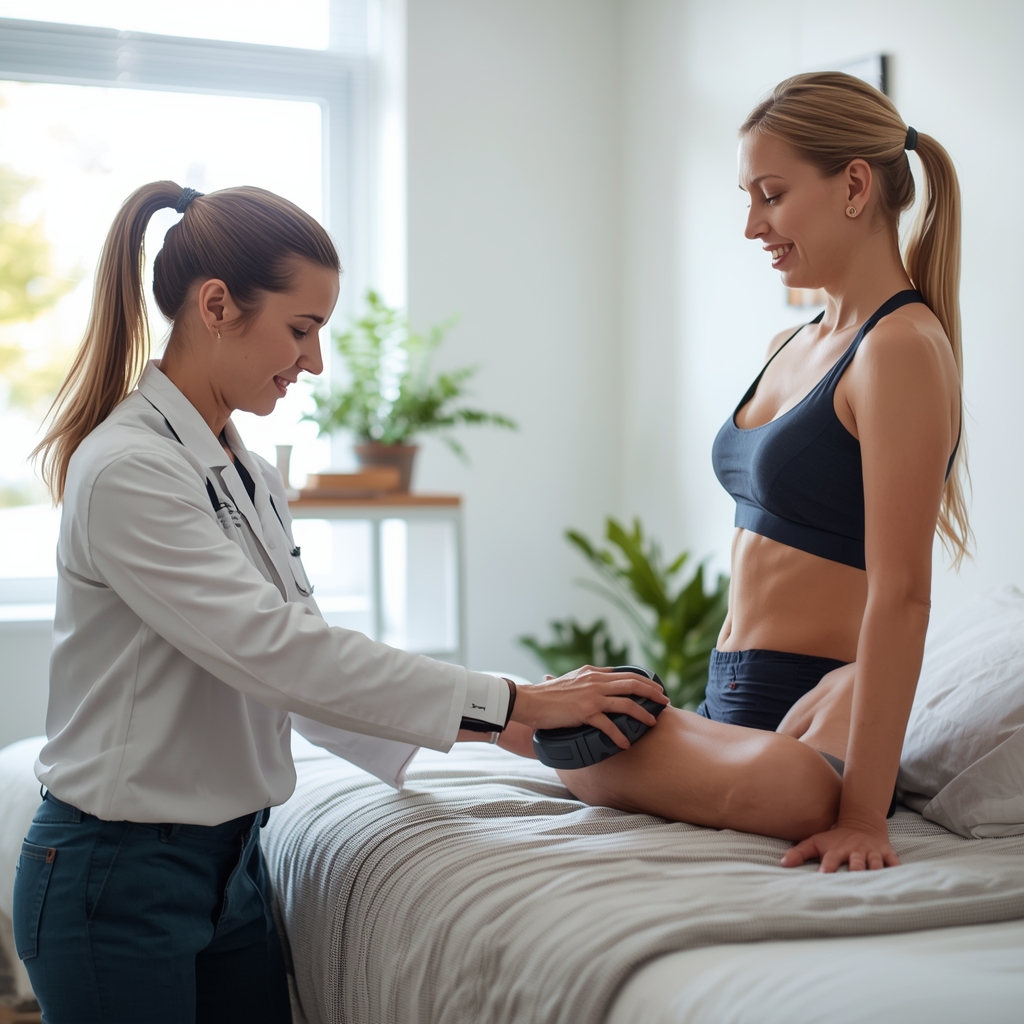
Understanding Achilles Tendinopathy and ART’s Role
Achilles tendinopathy, a common overuse injury among runners, involves degeneration of the Achilles tendon rather than acute inflammation. It often causes pain, stiffness, and reduced mobility, particularly during physical activity. Active Release Technique (ART) is a soft tissue therapy designed to address issues like adhesions, scar tissue, and muscle imbalances that contribute to such conditions. While primarily known for treating injuries like IT band syndrome or plantar fasciitis, ART can also be adapted for Achilles tendinopathy by targeting the surrounding musculature and fascia. This approach aims to restore normal tissue function, reduce pain, and improve recovery outcomes. However, effectiveness depends on proper assessment and tailored protocols, as each runner’s biomechanics and injury history differ.
Key ART Protocols for Achilles Tendinopathy
ART protocols for Achilles tendinopathy typically focus on the gastrocnemius, soleus, and Achilles tendon itself. Practitioners may use specific hand placements to apply tension while the patient moves their ankle through a range of motion, breaking up adhesions and promoting blood flow. Techniques like “Achilles glides” and “calf mobilizations” are commonly employed to address tightness in the calf muscles, which can strain the tendon. Additionally, ART may target the plantar fascia and surrounding structures to alleviate compensatory stress. These protocols are often combined with eccentric strengthening exercises, as research suggests that load management and tissue remodeling are critical for long-term recovery. However, the exact sequence and intensity of ART sessions should be determined by a qualified chiropractor based on the patient’s condition.
How ART Addresses Tendon Degeneration
Achilles tendinopathy involves microtears and disorganized collagen fibers in the tendon, leading to pain and reduced function. ART works by manually manipulating the affected soft tissues to restore their natural glide and elasticity. By applying controlled pressure and movement, ART can help break down scar tissue and improve circulation, which may accelerate healing. This technique also encourages the nervous system to reprogram movement patterns, reducing strain on the tendon. While ART is not a standalone cure, it can complement other treatments like physical therapy or orthotics. Its effectiveness hinges on consistent application and integration with a broader rehabilitation plan. Runners may notice gradual improvements in flexibility and pain levels, but results vary based on the severity of the condition and adherence to treatment.
Combining ART with Other Treatment Approaches
For optimal results, ART is often used alongside other therapies. Eccentric calf exercises, such as heel drops, are frequently recommended to strengthen the Achilles tendon and surrounding muscles. Physical therapy may also incorporate stretching, proprioceptive training, and gait analysis to address biomechanical issues. In some cases, modalities like shockwave therapy or dry needling might be added to enhance tissue repair. Chiropractors may also assess and adjust the pelvis, hips, or lower back, as misalignments in these areas can contribute to altered running mechanics. Runners should work with a multidisciplinary team to create a personalized plan, ensuring that ART is part of a comprehensive strategy rather than a single intervention.
Considerations for Runners Using ART
Runners with Achilles tendinopathy must balance treatment with their training schedules. ART sessions should be timed to avoid exacerbating symptoms, and intensity should be adjusted based on pain levels. Overtraining or insufficient recovery can hinder progress, so runners may need to modify their mileage or incorporate cross-training. Additionally, proper footwear and orthotics can reduce stress on the tendon, making ART more effective. It’s crucial to communicate openly with the chiropractor about training load and symptoms to tailor the protocol appropriately. While ART can aid recovery, it does not replace the need for gradual return to activity. Patience and consistency are key, as tendinopathy often requires weeks or months of dedicated care.
When to Consult a Chiropractor for ART
If a runner experiences persistent Achilles pain that doesn’t improve with rest or basic self-care, consulting a chiropractor specializing in ART may be beneficial. A professional can evaluate the injury’s severity, identify contributing factors like muscle imbalances or poor footwear, and design a targeted treatment plan. ART is particularly useful for cases where soft tissue restrictions are suspected, but it’s not a one-size-fits-all solution. Runners should seek a licensed practitioner with experience in sports injuries to ensure safe and effective care. While ART can be a valuable tool, it should always be part of a broader approach that includes proper diagnosis, rehabilitation, and lifestyle adjustments.














