
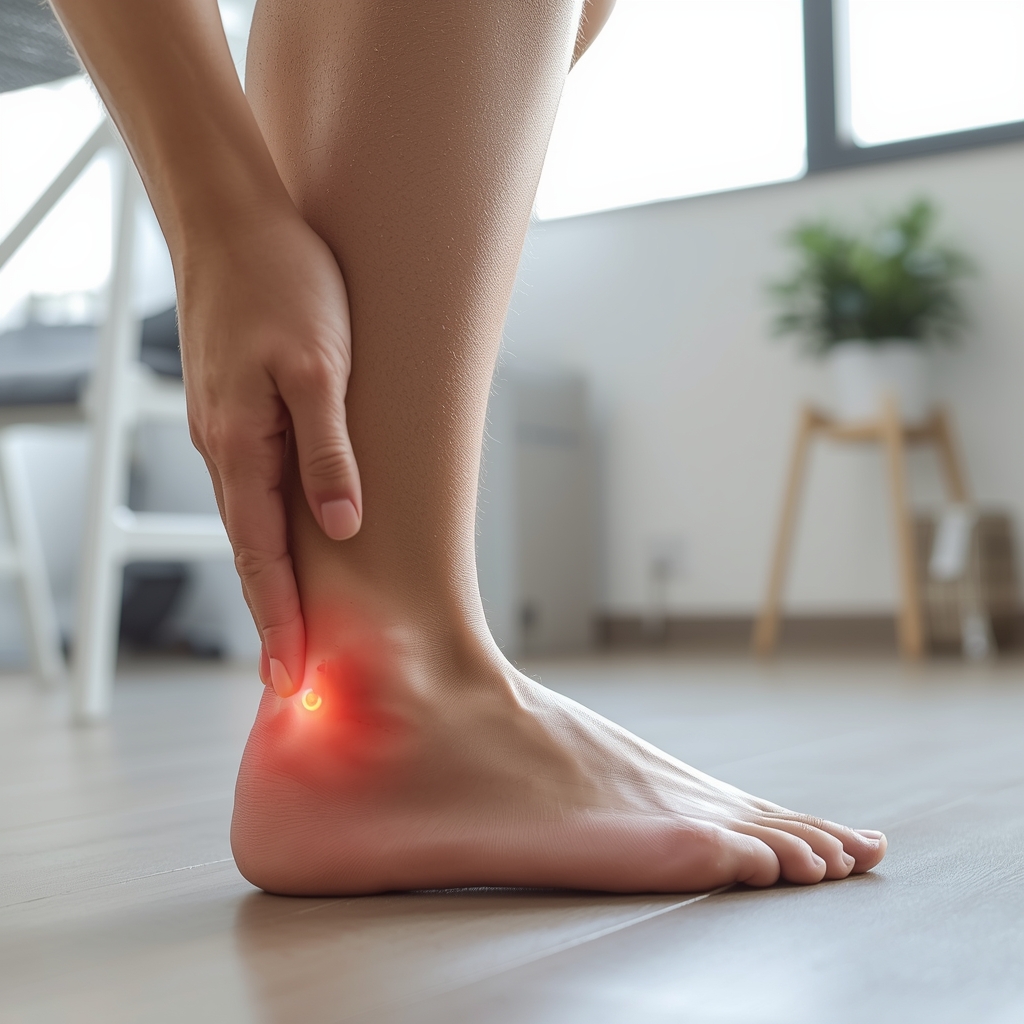
Understanding Plantar Fasciitis in Athletes
Plantar fasciitis, a common cause of heel pain, occurs when the thick band of tissue connecting the heel bone to the toes becomes inflamed. Athletes, particularly those involved in high-impact sports, are at higher risk due to repetitive strain on the feet. This condition can significantly hinder performance, leading to reduced mobility and discomfort during activity. Many athletes prefer non-surgical options to avoid recovery time and potential complications. Chiropractic care offers a holistic approach, focusing on natural healing and functional restoration. By addressing underlying biomechanical issues, chiropractors help athletes manage symptoms without invasive procedures. Understanding the condition’s causes and the role of chiropractic strategies is essential for informed decision-making. This article explores effective, non-surgical methods tailored to athletes seeking relief and long-term solutions.
Non-Surgical Chiropractic Strategies for Plantar Fasciitis
Chiropractors prioritize non-invasive techniques to alleviate plantar fasciitis symptoms, emphasizing the body’s ability to heal itself. Spinal adjustments and soft tissue therapies are central to these strategies, aiming to reduce inflammation and restore proper function. For athletes, maintaining mobility is critical, so treatments are designed to support active lifestyles. Chiropractors may use gentle manipulations to align the feet, ankles, and lower limbs, ensuring balanced weight distribution. This approach can ease pressure on the plantar fascia and promote healing. Additionally, targeted exercises and stretches are often recommended to strengthen the foot’s arch and improve flexibility. These methods not only address immediate discomfort but also prevent future flare-ups. By avoiding surgery, athletes can return to their sport faster while minimizing the risks associated with invasive procedures.
Active Release Technique (ART) and Soft Tissue Mobilization
Active Release Technique (ART) is a specialized soft tissue therapy used to treat conditions like plantar fasciitis by breaking down scar tissue and adhesions. Chiropractors trained in ART apply precise pressure while the patient moves their foot, restoring normal tissue function and reducing pain. This method is particularly beneficial for athletes, as it enhances flexibility and range of motion without surgery. Soft tissue mobilization, another key strategy, involves manual techniques to relax tight muscles and improve circulation around the affected area. By addressing muscle imbalances and tension, these therapies alleviate strain on the plantar fascia. Athletes often report faster recovery times and improved performance after such treatments. Chiropractors may combine ART with other modalities, such as massage or myofascial release, to maximize results. These non-invasive approaches support the body’s natural healing processes, making them ideal for athletes seeking to avoid surgical interventions.
Biomechanical Corrections and Posture Adjustments
Plantar fasciitis often stems from biomechanical imbalances, such as overpronation or improper gait patterns. Chiropractors assess these issues through detailed evaluations, identifying misalignments in the feet, ankles, and lower back that contribute to the condition. Corrective adjustments to the spine and extremities can realign the body, reducing stress on the plantar fascia. For athletes, posture plays a crucial role in preventing recurrence, as poor alignment during movement exacerbates strain. Chiropractors may recommend orthotics or custom insoles to support the arch and correct gait abnormalities. Additionally, they might address hip or knee dysfunction, as these areas can indirectly affect foot mechanics. By restoring proper biomechanics, athletes can maintain performance levels while minimizing pain. These adjustments are typically part of a broader care plan, combining manual therapies with lifestyle modifications for long-term success.
Rehabilitation and Preventive Care for Athletes
Rehabilitation programs tailored to plantar fasciitis focus on strengthening the foot’s intrinsic muscles and improving flexibility. Chiropractors often prescribe specific exercises, such as toe stretches, calf raises, and towel curls, to enhance foot function and reduce stiffness. These routines are designed to be integrated into an athlete’s training schedule, ensuring minimal disruption to their performance goals. Preventive care is equally vital, emphasizing proper warm-up techniques, footwear selection, and activity modification. Chiropractors may advise athletes on avoiding high-impact activities during flare-ups and gradually reintroducing movement as symptoms improve. Education on recognizing early warning signs helps athletes address issues before they escalate. By combining rehabilitation with proactive strategies, chiropractic care supports athletes in maintaining their physical capabilities. This holistic approach not only manages current symptoms but also fosters long-term musculoskeletal health.
Collaborating with Other Healthcare Providers for Comprehensive Care
Effective management of plantar fasciitis often requires a multidisciplinary approach, with chiropractors working alongside other healthcare professionals. Physical therapists may be involved to design customized exercise programs, while podiatrists can provide specialized footwear solutions. Chiropractors also collaborate with sports medicine experts to ensure treatments align with an athlete’s specific needs and goals. This teamwork ensures a well-rounded strategy, addressing both the symptoms and root causes of the condition. For athletes resistant to surgery, this integrated model offers alternatives that prioritize their health and performance. Open communication between providers is essential to avoid conflicting treatments and optimize outcomes. By leveraging the strengths of various disciplines, chiropractic care becomes part of a broader, patient-centered plan. This collaborative approach empowers athletes to make informed decisions about their treatment, focusing on long-term wellness and functional recovery.















