
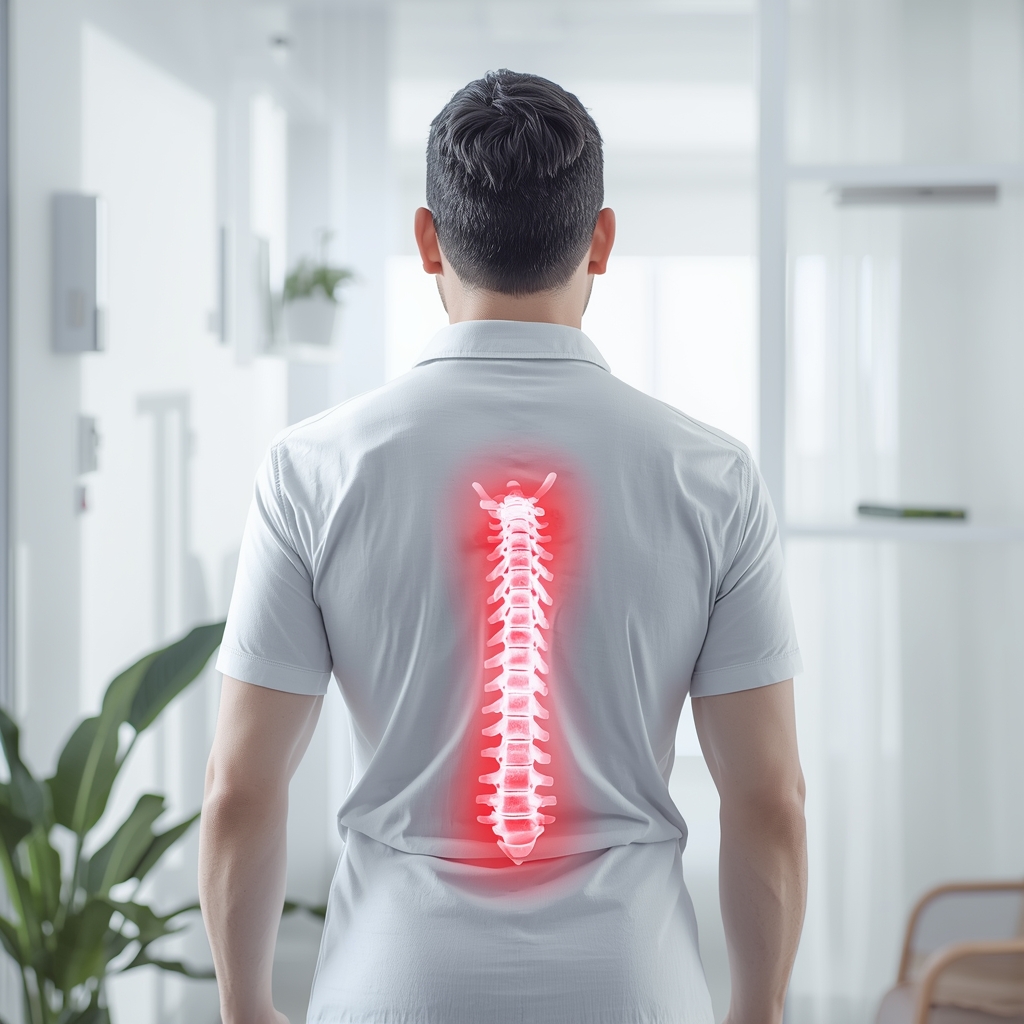
Biomechanical Principles of Spinal Adjustments
Spinal adjustments involve precise, controlled forces applied to the spine to correct misalignments, often referred to as subluxations. These misalignments can compress nerves, restrict joint mobility, or disrupt normal biomechanics. By restoring proper alignment, adjustments aim to alleviate pressure on nerves and improve overall spinal function. The spine’s structure, including vertebrae, discs, and surrounding soft tissues, plays a critical role in maintaining balance and movement. When misaligned, these structures may cause pain, reduced range of motion, or nerve-related symptoms. Adjustments work by reestablishing optimal mechanical relationships, allowing the body to function more efficiently. This process is grounded in principles of anatomy and physics, emphasizing the interplay between spinal integrity and nervous system health.
Neurophysiological Effects on Nerve Function
The nervous system is central to the body’s communication network, and nerve compression can disrupt this flow. Spinal adjustments may reduce pressure on nerves by realigning the spine, potentially improving signal transmission between the brain and body. This can enhance proprioception (body awareness) and reduce pain signals. Research suggests that spinal manipulation can influence neural pathways, modulating pain perception and promoting relaxation. Additionally, adjustments may stimulate mechanoreceptors in the joints and muscles, sending feedback to the central nervous system. This interaction can help regulate muscle tone, reduce inflammation, and improve overall nervous system responsiveness. While the exact mechanisms remain under study, the neurophysiological impact of adjustments highlights their potential to support neurological health.
Inflammation and Tissue Healing Response
Nerve compression often leads to localized inflammation, which can exacerbate pain and hinder healing. Spinal adjustments may indirectly support tissue repair by reducing mechanical stress on affected areas. By restoring proper spinal alignment, adjustments can decrease pressure on nerves and surrounding soft tissues, potentially minimizing inflammatory responses. Improved circulation from adjusted joints may also facilitate the delivery of nutrients and removal of waste products, aiding recovery. While direct evidence linking adjustments to anti-inflammatory effects is limited, the broader context of musculoskeletal health suggests that reducing mechanical strain can promote a more favorable environment for healing. This aligns with general principles of injury recovery, where proper alignment and movement are foundational to tissue regeneration.
The Role of the Nervous System in Spinal Function
The nervous system governs spinal function through complex feedback loops involving sensory and motor pathways. Nerve compression can disrupt these loops, leading to altered muscle function, pain, or impaired coordination. Spinal adjustments may help reestablish these neural connections by reducing mechanical interference. For example, correcting misalignments can restore normal joint movement, which in turn sends accurate sensory information to the brain. This process supports the nervous system’s ability to regulate muscle tone, posture, and reflexes. Additionally, adjustments may influence the autonomic nervous system, potentially reducing stress responses and promoting relaxation. While the exact neural mechanisms remain an area of research, the interdependence of spinal mechanics and nervous system function underscores the rationale behind chiropractic interventions.
Evidence-Based Perspectives on Spinal Adjustments
Scientific research on spinal adjustments focuses on their biomechanical and neurophysiological impacts, though findings vary in scope and methodology. Studies often highlight the role of adjustments in improving mobility, reducing pain, and enhancing patient-reported outcomes. However, the specific mechanisms by which adjustments alleviate nerve compression remain an active area of investigation. Evidence suggests that spinal manipulation can influence pain perception and muscle function, but its direct effects on nerve compression require further exploration. It is important to note that individual responses to adjustments can differ, and outcomes depend on factors like the severity of the condition and the practitioner’s technique. While the scientific community continues to study these principles, chiropractic care is widely recognized as a complementary approach to musculoskeletal health, emphasizing the need for professional guidance.
Conclusion: Integrating Science and Clinical Practice
Spinal adjustments are rooted in principles of biomechanics, neurophysiology, and tissue dynamics, offering a framework for addressing nerve compression. While the exact mechanisms are still being explored, the interplay between spinal alignment and nervous system function provides a scientific basis for their application. Chiropractors use these principles to tailor interventions that support patients’ unique needs. However, the effectiveness of adjustments can vary, and they should be considered as part of a broader healthcare strategy. Patients are encouraged to consult qualified professionals to determine the most appropriate approach for their condition. As research advances, the integration of scientific insights with clinical expertise will continue to shape the role of spinal adjustments in promoting musculoskeletal and neurological well-being.












