
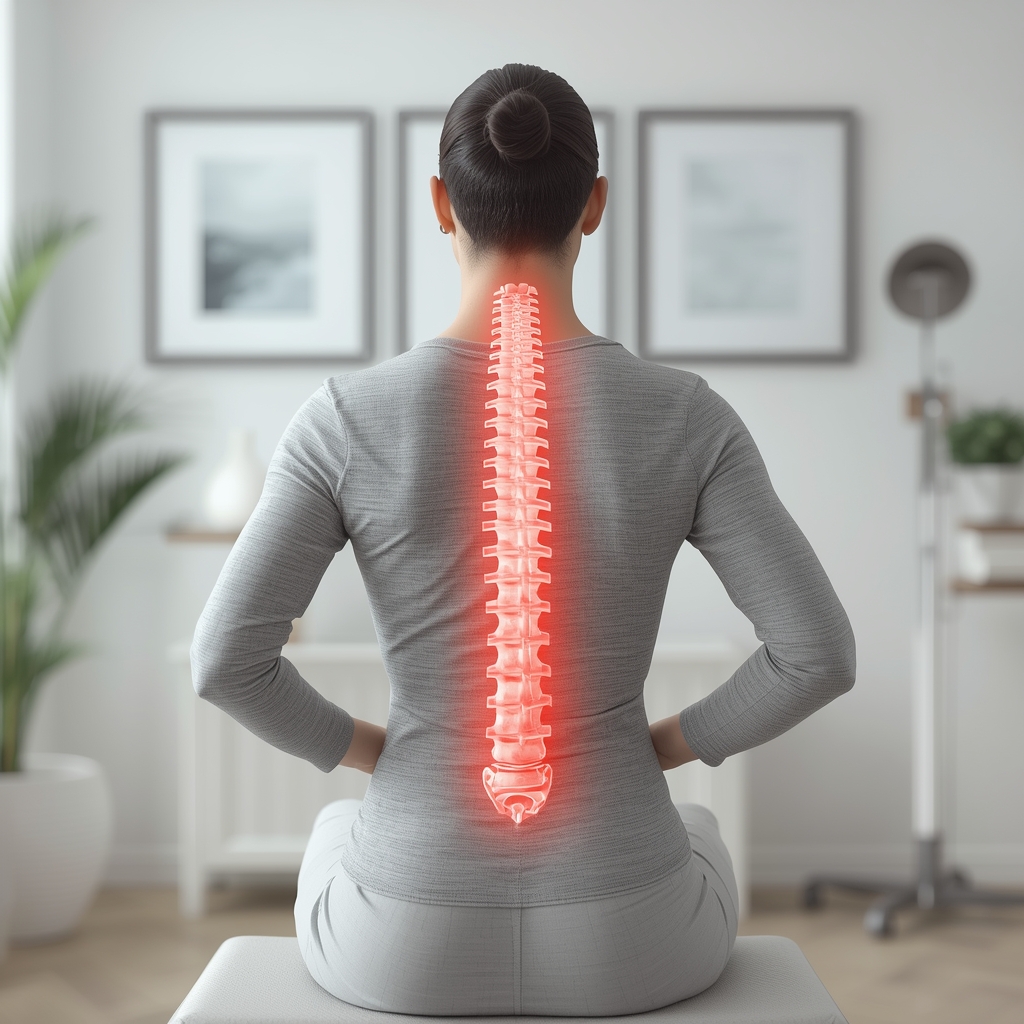
Understanding Biomechanical Principles in Spinal Manipulation
Spinal manipulation, a cornerstone of chiropractic care, relies on biomechanical principles to address joint restrictions. These principles involve the study of forces, movement, and structural interactions within the musculoskeletal system. When joints become restricted, their normal range of motion is compromised, leading to pain, stiffness, and altered function. Biomechanics examines how these restrictions affect the body’s mechanical efficiency, guiding chiropractors in restoring proper alignment and movement. By applying controlled forces, adjustments aim to reestablish optimal joint mechanics, reducing stress on surrounding tissues. This approach emphasizes the relationship between structure and function, highlighting how biomechanical imbalances can contribute to discomfort. Understanding these principles helps patients appreciate the scientific foundation of chiropractic interventions, fostering informed decision-making about their care.
Joint Mechanics and Restriction
Joint restrictions often arise from disruptions in the normal mechanics of synovial joints, which rely on smooth articulation between bones. When a joint becomes restricted, its ability to move freely is impaired, potentially causing pain and reduced mobility. Biomechanical factors such as altered joint congruence, muscle tension, or ligamentous tightness can contribute to these restrictions. Spinal manipulation targets these issues by applying precise, controlled forces to restore proper alignment and movement. This process can enhance synovial fluid distribution, reduce pressure on nerve structures, and improve overall joint function. By addressing mechanical barriers, adjustments help the body return to a state of balanced biomechanics. Patients may experience immediate relief as restricted joints regain their natural range of motion, underscoring the importance of biomechanical integrity in musculoskeletal health.
Force Application and Precision
The effectiveness of spinal manipulation hinges on the application of biomechanically appropriate forces. Chiropractors use specific techniques to deliver controlled, targeted thrusts that address joint restrictions without causing harm. These forces are calibrated to overcome the resistance within a restricted joint while respecting the body’s structural limits. Precision is critical, as excessive force can lead to unintended consequences, while insufficient force may fail to achieve the desired effect. Biomechanical principles guide practitioners in determining the optimal direction, magnitude, and speed of adjustment. This tailored approach ensures that each intervention aligns with the patient’s unique anatomical and functional needs. By adhering to these principles, chiropractors enhance the safety and efficacy of spinal manipulation, promoting long-term musculoskeletal wellness.
Alignment and Postural Correction
Biomechanical imbalances often manifest as postural deviations, which can exacerbate joint restrictions and contribute to chronic discomfort. Spinal manipulation plays a key role in restoring proper alignment by addressing misalignments in the vertebrae and related structures. When the spine is properly aligned, it distributes mechanical stresses more evenly, reducing strain on joints and soft tissues. This correction can alleviate pain and improve overall movement efficiency. Additionally, aligned joints facilitate better nerve function, supporting the body’s natural healing processes. Over time, consistent adjustments may help reinforce healthy postural habits, preventing future restrictions. By focusing on biomechanical alignment, chiropractic care addresses the root causes of joint dysfunction, promoting lasting relief and improved quality of life.
Soft Tissue Response and Adaptation
Spinal manipulation not only affects joint mechanics but also influences the surrounding soft tissues, including muscles, ligaments, and fascia. When a joint is restricted, adjacent muscles may become hypertonic or weak, further complicating biomechanical function. Adjustments can help relax overactive muscles and stimulate underactive ones, restoring balance to the musculature. This process enhances joint stability and reduces compensatory movement patterns that may contribute to further restrictions. Additionally, the mechanical forces applied during manipulation can stimulate proprioceptive feedback, improving the body’s awareness of joint position. These soft tissue adaptations support long-term biomechanical efficiency, enabling the body to maintain proper function with reduced risk of future dysfunctions.
Long-Term Biomechanical Benefits
Regular spinal manipulation can yield sustained biomechanical benefits by maintaining joint mobility and preventing the recurrence of restrictions. By consistently addressing mechanical imbalances, chiropractic care supports the body’s ability to adapt to daily stresses and movements. This proactive approach may reduce the likelihood of developing chronic pain or degenerative changes in the spine. Furthermore, improved biomechanics can enhance overall physical performance, enabling patients to engage in activities with greater ease and confidence. While individual outcomes vary, many patients report lasting improvements in posture, flexibility, and functional mobility. It is essential to consult a qualified chiropractor to determine the most suitable treatment plan, ensuring that interventions align with personal health goals and biomechanical needs.













