
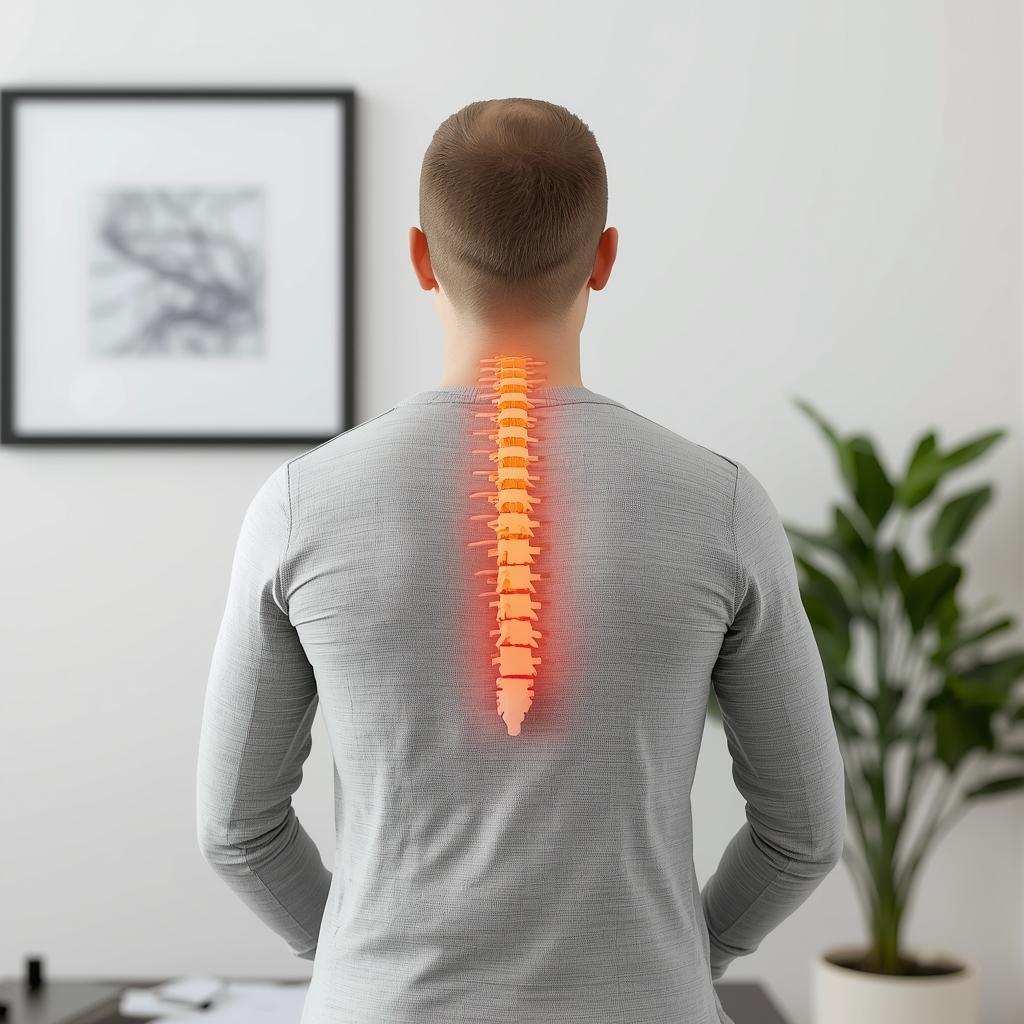
The Thoracic Spine's Role in Postural Stability
The thoracic spine, comprising 12 vertebrae, forms the central framework of the upper back and connects to the rib cage. Its unique structure provides stability while allowing limited rotational movement. This segment acts as a bridge between the rigid cervical spine (neck) and the more flexible lumbar spine (lower back). When functioning properly, it supports an upright posture by distributing mechanical stress across the spine. However, restricted mobility or misalignments in this region can disrupt the body’s natural alignment, leading to compensatory patterns in adjacent areas. For example, reduced thoracic extension may cause the head to shift forward, increasing strain on the neck and shoulders. Understanding these biomechanics is essential for addressing postural issues rooted in spinal dynamics.
Biomechanical Factors Contributing to Imbalances
The thoracic spine’s limited range of motion compared to other spinal regions makes it susceptible to stiffness and dysfunction. Prolonged sitting, poor ergonomics, or repetitive movements can lead to muscle imbalances, such as tightness in the pectorals and weakness in the upper back muscles. These changes alter the spine’s natural curvature, often resulting in increased thoracic kyphosis (rounded upper back). This postural shift redistributes weight forward, placing undue pressure on the cervical spine and contributing to chronic pain. Additionally, restricted thoracic rotation can affect gait patterns and core stability. By recognizing these biomechanical relationships, healthcare providers can identify how thoracic dysfunction cascades into broader postural challenges, emphasizing the need for targeted interventions.
Common Postural Issues Linked to the Thoracic Spine
Forward head posture, rounded shoulders, and a hunched upper back are frequently linked to thoracic spine dysfunction. These patterns often stem from prolonged screen use, sedentary lifestyles, or improper lifting techniques. For instance, excessive thoracic kyphosis can compress nerves and reduce lung capacity, while restricted thoracic mobility may limit shoulder movement and cause compensatory strain in the lower back. Such imbalances not only affect appearance but also impair functional movement and overall well-being. Addressing these issues requires a holistic approach, as the thoracic spine interacts with the entire kinetic chain. Chiropractors often assess these postural deviations to determine how thoracic biomechanics contribute to symptoms, guiding patients toward corrective strategies that restore alignment and improve mobility.
Chiropractic Adjustments for Thoracic Alignment
Spinal adjustments are a cornerstone of chiropractic care for thoracic-related postural issues. These manual techniques aim to restore proper joint mobility and correct misalignments in the thoracic vertebrae. By applying controlled force to specific areas, chiropractors can alleviate restrictions that contribute to stiffness and pain. For example, adjusting the thoracic spine may improve rib cage expansion, reducing pressure on internal organs and enhancing breathing mechanics. Additionally, these adjustments can help realign the spine’s natural curves, easing strain on surrounding muscles and nerves. While results vary, many patients report improved posture and reduced discomfort after targeted interventions. It’s important to note that adjustments are most effective when combined with other therapies, such as exercise and ergonomic modifications, to address underlying causes of dysfunction.
Soft Tissue and Movement-Based Corrections
In addition to spinal adjustments, soft tissue therapies and movement retraining play a critical role in correcting thoracic-related postural imbalances. Techniques like myofascial release or trigger point therapy can alleviate tension in tight muscles, such as the pectorals or upper trapezius, which often contribute to rounded shoulders and forward head posture. Stretching and strengthening exercises targeting the thoracic extensors and scapular stabilizers further support long-term postural correction. Activities like yoga or Pilates may also enhance flexibility and core engagement, promoting better spinal alignment. These approaches work synergistically with chiropractic adjustments to address both structural and muscular components of dysfunction. Patients are encouraged to collaborate with their chiropractor to develop a personalized plan that integrates these strategies for optimal outcomes.
Consulting a Professional for Personalized Care
While understanding thoracic biomechanics provides valuable insight, individualized assessment by a qualified chiropractor is essential for effective treatment. Postural imbalances can stem from a variety of factors, including injury history, lifestyle habits, or underlying medical conditions. A chiropractor can perform a thorough evaluation to identify specific areas of dysfunction and recommend tailored interventions. This may include a combination of adjustments, soft tissue work, and corrective exercises designed to address the root causes of imbalance. Patients should also consider ergonomic adjustments to their environment, as daily habits significantly influence spinal health. By working closely with a healthcare provider, individuals can develop a comprehensive strategy to restore proper thoracic function and achieve lasting improvements in posture and mobility.














