
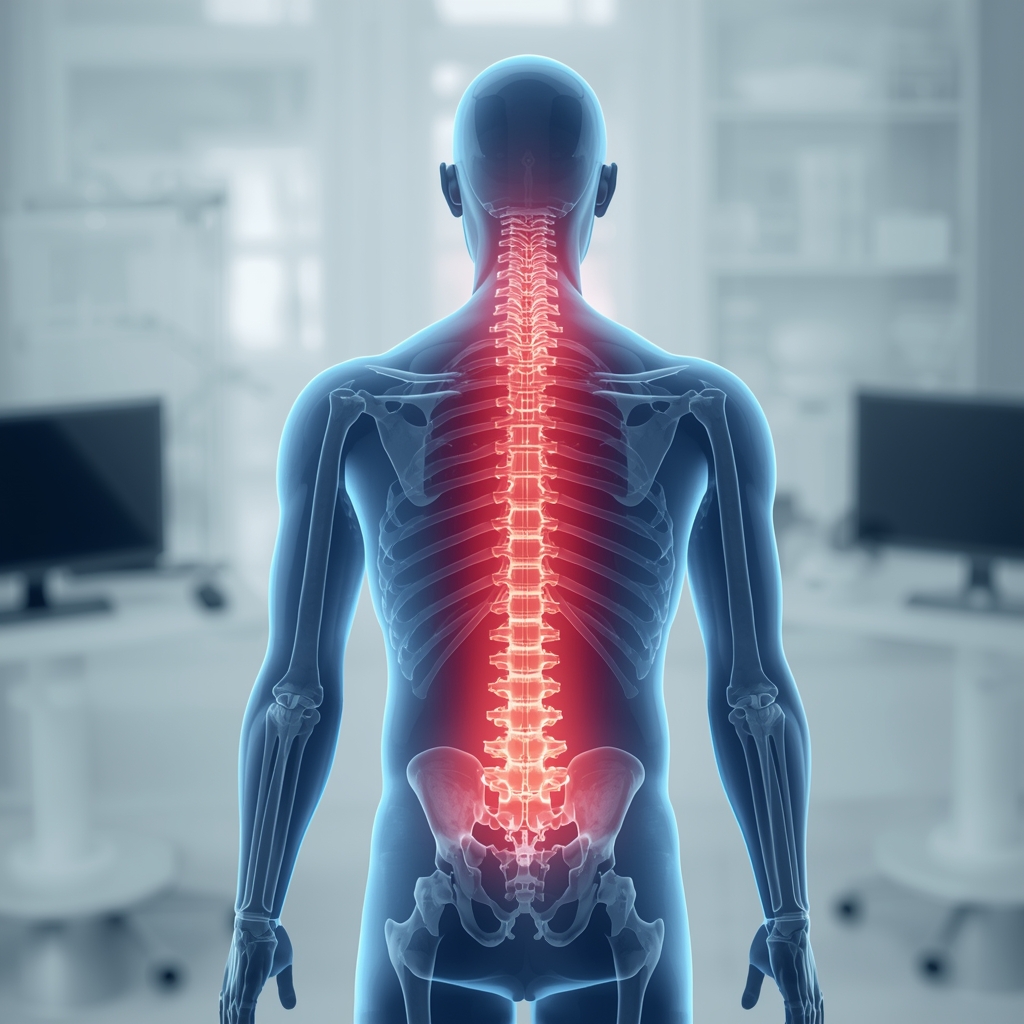
The Role of the Nervous System in Pain Perception
Spinal adjustments are often linked to pain relief through their interaction with the nervous system. The spine houses and protects the spinal cord, a critical pathway for nerve signals between the body and brain. Misalignments, or subluxations, may disrupt this communication, potentially contributing to pain or dysfunction. While the exact mechanisms remain under study, research suggests that adjustments might influence nerve signaling, reduce inflammation, or modulate pain pathways. These effects could explain why some individuals experience relief after treatment. However, the scientific community continues to explore how these processes work, emphasizing the need for further investigation to validate these theories.
Proprioception and Spinal Adjustment Effects
Proprioception, the body’s ability to sense movement and position, plays a key role in spinal function. Spinal adjustments may stimulate mechanoreceptors in joints and muscles, sending signals to the brain about body alignment. This feedback loop could help recalibrate posture and movement patterns, potentially reducing pain and improving mobility. Studies on proprioceptive input suggest that targeted adjustments might enhance neuromuscular control, though the specific pathways remain unclear. Researchers also note that these effects could vary based on individual anatomy and the nature of the adjustment. While promising, more research is needed to determine how consistently these mechanisms apply across different conditions and patient populations.
Neurotransmitter and Inflammatory Response Dynamics
Spinal adjustments may influence the body’s chemical environment by affecting neurotransmitter activity and inflammatory responses. Some studies indicate that manipulative therapies can alter levels of substances like serotonin and cortisol, which are involved in pain regulation and stress. Additionally, adjustments might reduce localized inflammation by improving circulation or lymphatic drainage. These changes could contribute to pain relief, though the exact biological processes are still being explored. It’s important to note that while these theories are supported by preliminary findings, they are not yet fully understood. Chiropractic care is often used alongside other treatments, and patients should consult healthcare providers to determine the best approach for their specific needs.
Research on Spinal Adjustments and Neurological Responses
Scientific inquiry into spinal adjustments has grown, with researchers examining their impact on neurological function. Functional MRI studies have shown that adjustments may alter brain activity in regions associated with pain processing and motor control. These findings suggest a potential link between spinal manipulation and changes in neural pathways. However, the complexity of the nervous system means that results vary, and more large-scale trials are needed. Some studies highlight improvements in sensorimotor function after adjustments, while others find no significant effects. The field remains dynamic, with ongoing efforts to clarify how and why these interventions work. Patients considering chiropractic care should discuss their options with qualified professionals to ensure safety and appropriateness.
Biomechanical and Neurological Integration
Spinal adjustments aim to restore proper biomechanics, which may indirectly support nervous system health. By realigning vertebrae, adjustments could reduce pressure on nerves and improve joint mobility. This mechanical correction might alleviate pain caused by restricted movement or nerve compression. Additionally, the nervous system’s role in regulating organ function and muscle tone means that spinal health could influence overall well-being. While some studies suggest correlations between adjustments and improved neurological function, the evidence is not yet conclusive. Researchers emphasize the importance of individualized assessments, as each person’s anatomy and condition differ. Chiropractic care is often part of a broader treatment plan, and its effectiveness depends on various factors, including the patient’s overall health and the practitioner’s expertise.
Future Directions in Chiropractic Mechanism Research
Advancements in technology and research methods are expanding understanding of how spinal adjustments work. Techniques like high-resolution imaging and biomarker analysis may reveal new insights into neural and physiological responses. Collaborative efforts between chiropractors and medical researchers could lead to more robust studies on long-term outcomes. However, challenges remain, including variability in adjustment techniques and patient responses. Future research may focus on standardizing methodologies to better compare results. As the field evolves, it’s crucial to maintain a balance between exploring new possibilities and adhering to evidence-based practices. Patients seeking spinal care should prioritize licensed professionals and remain informed about the latest developments in chiropractic science.













