
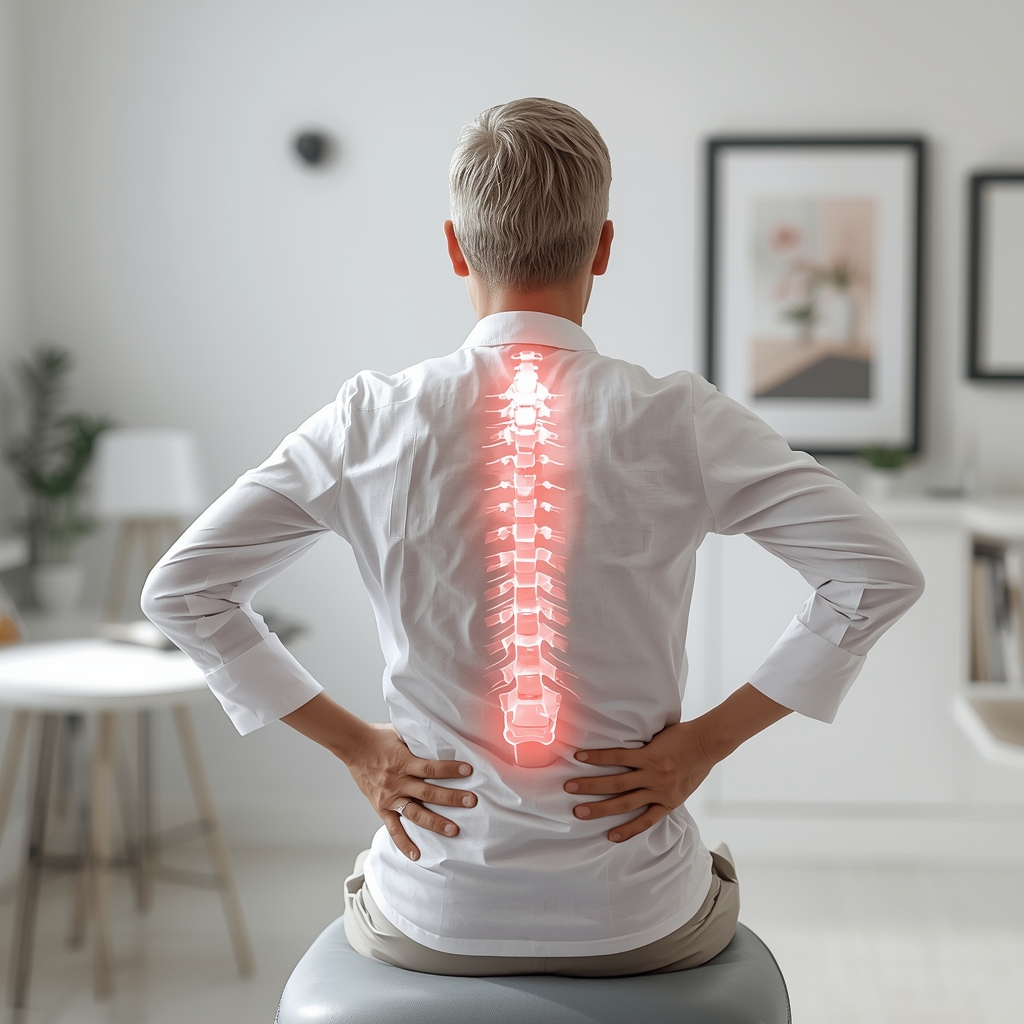
Understanding Spinal Adjustments and Their Purpose
Spinal adjustments, a cornerstone of chiropractic care, involve precise manual manipulations to correct misalignments in the spine. These adjustments aim to restore proper joint function, alleviate pressure on nerves, and improve overall musculoskeletal health. By addressing structural imbalances, chiropractors seek to enhance the body’s natural ability to heal itself. While often associated with pain relief, adjustments also play a role in broader physiological processes, including inflammation regulation and tissue repair. The science behind these interventions is rooted in the interplay between the nervous system, musculoskeletal framework, and systemic responses to physical stressors.
The Role of the Nervous System in Inflammation
The nervous system acts as a central regulator of inflammation, coordinating immune responses and modulating pain signals. Spinal adjustments may influence this system by reducing mechanical stress on spinal nerves, which can indirectly affect inflammatory pathways. For example, misalignments (subluxations) might irritate nerves, leading to heightened inflammatory reactions in surrounding tissues. By restoring proper alignment, adjustments could help normalize nerve function, potentially reducing excessive inflammation. This connection highlights how spinal health intersects with systemic wellness, though the exact mechanisms remain an active area of research.
How Spinal Alignment Affects Inflammatory Responses
Proper spinal alignment ensures optimal communication between the brain and body, which is critical for managing inflammation. When spinal joints are misaligned, they may trigger protective inflammatory responses as the body attempts to stabilize the area. Adjustments aim to correct these misalignments, reducing mechanical strain and potentially dampening localized inflammation. This process may also improve circulation and lymphatic drainage, further supporting the body’s ability to resolve inflammation. While the relationship between spinal health and inflammation is complex, many chiropractors observe that patients often experience reduced pain and swelling following adjustments, suggesting a tangible link between structural integrity and inflammatory control.
Impact on Tissue Healing and Recovery
Tissue healing relies on adequate blood flow, nutrient delivery, and cellular repair processes, all of which can be influenced by spinal function. Adjustments may enhance these factors by relieving pressure on nerves and blood vessels, promoting better circulation to injured areas. Improved nerve signaling can also optimize the body’s repair mechanisms, such as collagen synthesis and inflammatory cell activity. Additionally, reducing mechanical stress on tissues through alignment may prevent further damage and create a more conducive environment for healing. While more research is needed, these physiological interactions underscore the potential role of chiropractic care in supporting recovery from injuries or chronic conditions.
The Body’s Response to Spinal Adjustments
When a spinal adjustment is performed, the body initiates a cascade of responses to adapt to the new alignment. This includes changes in muscle tension, joint mobility, and neural activity. Some studies suggest that adjustments may stimulate the release of anti-inflammatory molecules, though the exact pathways are not fully understood. Patients often report immediate relief from pain or stiffness, which may reflect the body’s adjustment to reduced mechanical stress. Over time, consistent care may contribute to long-term improvements in posture, mobility, and resilience to inflammation. These effects highlight the dynamic relationship between spinal health and the body’s innate healing capacities.
Consulting a Chiropractor for Personalized Care
While the science of spinal adjustments continues to evolve, many individuals find relief and improved function through chiropractic care. The effectiveness of adjustments can vary based on individual anatomy, health history, and specific conditions. A qualified chiropractor can assess these factors and develop a tailored approach to address inflammation and support tissue healing. It’s important to note that chiropractic care is not a substitute for medical treatment but can complement conventional therapies. For those seeking non-invasive options to manage inflammation or enhance recovery, discussing spinal adjustments with a licensed professional is a prudent first step.














