
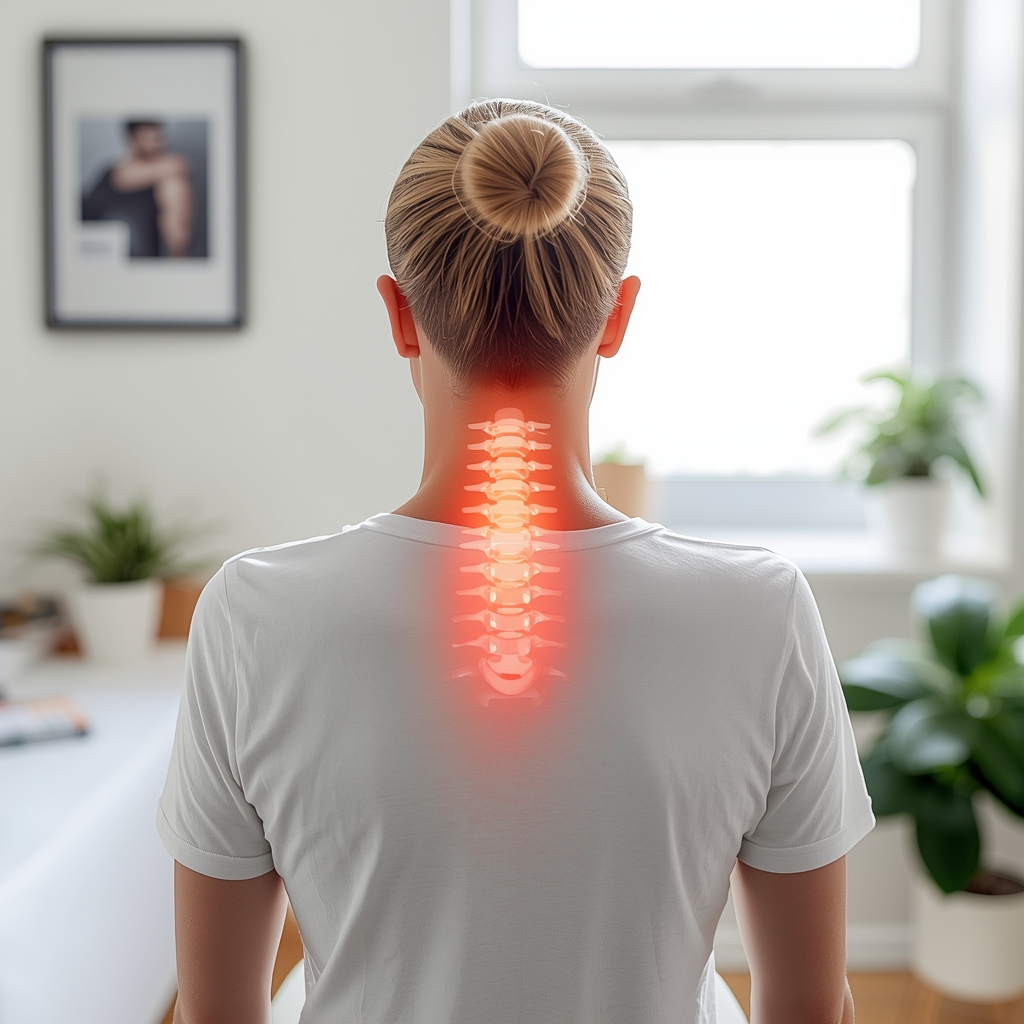
Understanding the Connection Between Jaw and Cervical Spine
The jaw joint (temporomandibular joint, or TMJ) and the cervical spine (neck region) are anatomically and functionally interconnected. The trigeminal nerve, which governs jaw movement, shares pathways with nerves in the cervical spine, creating a potential for referred pain or muscular imbalances. Misalignments in the neck can contribute to tension in the jaw muscles, while TMJ dysfunction may alter head and neck posture. This relationship suggests that addressing both areas simultaneously could offer more comprehensive relief. While research on this specific synergy is limited, clinical observations indicate that treating the cervical spine alongside the jaw joint may reduce strain on overlapping musculature and neural structures. Patients often report improved outcomes when both regions are evaluated and treated as part of a holistic approach.
Jaw Joint Mobilization Techniques
Jaw joint mobilization involves gentle manual techniques to improve the range of motion and reduce stiffness in the temporomandibular joint. These methods may include soft tissue work, myofascial release, or specific joint manipulation performed by trained professionals. The goal is to alleviate pressure on the joint, restore proper alignment, and ease associated muscle tension. Techniques like intraoral mobilizations or external pressure applications are typically used under the guidance of a chiropractor or dental specialist. While these approaches target the jaw directly, they also consider the broader musculoskeletal system, including the neck and shoulders. By addressing restrictions in the jaw joint, practitioners aim to break cycles of pain and dysfunction that may contribute to chronic TMJ symptoms. However, these techniques should always be tailored to the individual’s condition and performed by qualified providers.
Cervical Spine Adjustments and Their Role
Cervical spine adjustments focus on correcting misalignments in the neck vertebrae, which can impact nerve function, blood flow, and muscle tension. When the cervical spine is out of alignment, it may contribute to headaches, neck pain, and even referred pain to the jaw area. Adjustments aim to restore proper biomechanics, reduce nerve irritation, and improve overall spinal function. For patients with TMJ pain, addressing cervical spine issues can help alleviate secondary tension in the jaw muscles and surrounding tissues. This approach is often part of a broader treatment plan that includes soft tissue therapy, posture correction, and lifestyle modifications. While cervical adjustments alone may not resolve TMJ pain, they can play a supportive role in reducing contributing factors. As with any chiropractic intervention, the specific techniques and frequency of care depend on the patient’s unique needs.
Synergistic Effects of Combined Treatments
Combining jaw joint mobilization with cervical spine adjustments may create a synergistic effect, addressing both local and systemic contributors to TMJ pain. For example, correcting cervical spine misalignments can reduce nerve irritation that might exacerbate jaw joint dysfunction, while jaw mobilization can relieve muscular tension that radiates into the neck. This dual approach acknowledges the interconnected nature of the musculoskeletal system and aims to restore balance. Patients often experience more sustained relief when both areas are treated, as it reduces the likelihood of compensatory patterns that perpetuate pain. However, the effectiveness of this combined strategy varies based on the underlying causes of TMJ symptoms. A chiropractor can assess whether this integrated approach is appropriate for a given case, ensuring treatments are aligned with the patient’s overall health goals.
Long-Term Pain Relief Strategies
For long-term TMJ pain relief, a multifaceted approach is often necessary. While jaw joint mobilization and cervical spine adjustments can provide immediate symptom relief, maintaining results requires ongoing care and lifestyle adjustments. Patients may benefit from regular chiropractic sessions to monitor and address recurring misalignments, as well as exercises to strengthen supporting muscles. Ergonomic modifications, stress management techniques, and avoiding habits like teeth clenching can also play a role in preventing flare-ups. The combination of manual therapies and self-care practices helps create a stable foundation for long-term wellness. It’s important to note that chronic TMJ pain may involve multiple factors, such as dental issues or systemic conditions, which should be evaluated by a multidisciplinary team. Consistent communication with healthcare providers ensures that the treatment plan evolves with the patient’s needs.
When to Consult a Chiropractor
If you’re experiencing persistent jaw pain, headaches, or neck discomfort, consulting a chiropractor can help identify potential connections between your TMJ and cervical spine. A qualified chiropractor will conduct a thorough assessment, including a review of symptoms, posture analysis, and musculoskeletal evaluation, to determine if jaw joint mobilization or cervical adjustments could be beneficial. They may also collaborate with other specialists, such as dentists or physical therapists, to create a comprehensive care plan. It’s important to seek professional guidance rather than attempting self-treatment, as improper techniques could worsen symptoms. Chiropractors tailor their approaches to each patient’s condition, ensuring safe and effective care. By addressing both the jaw and neck, this integrated strategy offers a promising avenue for managing TMJ pain and improving overall quality of life.













