
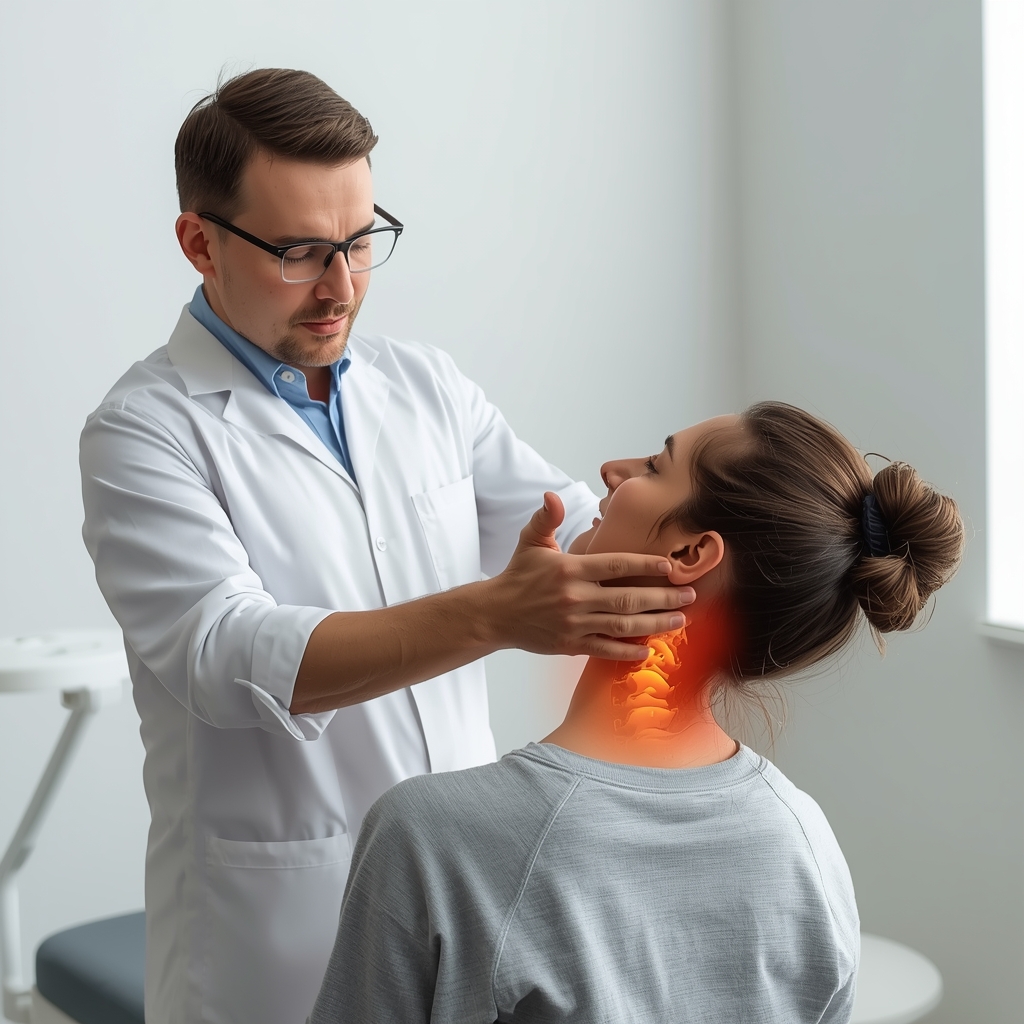
Understanding the Connection Between Cervical Spine Health and Jaw Pain
The cervical spine, or neck, plays a critical role in overall musculoskeletal function, and its alignment can significantly impact other areas of the body, including the temporomandibular joint (TMJ). Misalignments in the cervical spine, often referred to as subluxations, can create tension in the surrounding muscles and nerves, potentially contributing to jaw pain and TMJ dysfunction. This relationship highlights the interconnected nature of the body’s systems, where issues in one area may manifest as discomfort in another. For patients experiencing persistent jaw pain, exploring the role of cervical spine health can provide valuable insights into potential underlying causes. Chiropractic care focuses on addressing these misalignments, offering a holistic approach to alleviate symptoms and improve overall function. By understanding this connection, individuals may find new avenues for relief and recovery.
Anatomical and Neurological Links Between the Cervical Spine and TMJ
The cervical spine is closely linked to the TMJ through shared musculature and neural pathways. The trigeminal nerve, responsible for sensory and motor functions in the face and jaw, interacts with cervical structures, while muscles like the sternocleidomastoid and scalenes connect the neck to the jaw. When the cervical spine is misaligned, it can alter the biomechanics of these muscles, leading to increased tension or restricted movement in the jaw. Additionally, nerve irritation from spinal misalignments may disrupt the normal signaling between the brain and the TMJ, contributing to pain or dysfunction. This interplay underscores the importance of addressing cervical spine health when treating TMJ-related issues. Chiropractors often evaluate the entire spine to identify and correct misalignments that may indirectly affect jaw function, promoting a more balanced and pain-free state.
How Cervical Spine Misalignments Can Contribute to TMJ Dysfunction
Cervical spine misalignments can lead to TMJ dysfunction through several mechanisms. Postural changes, such as forward head posture, place excessive strain on the neck muscles, which can radiate to the jaw area, causing discomfort. This altered posture may also compress nerves or blood vessels, further exacerbating TMJ symptoms. Additionally, misalignments can create uneven muscle tension, leading to imbalances that affect the TMJ’s ability to function smoothly. For example, tightness in the upper trapezius or levator scapulae muscles may pull the head and jaw into an unnatural position, increasing stress on the joint. These factors collectively highlight the need for a comprehensive evaluation of the cervical spine when diagnosing and treating TMJ issues. Addressing these underlying spinal concerns may offer relief that traditional TMJ treatments alone cannot achieve.
The Role of Chiropractic Adjustments in Alleviating Jaw Pain
Chiropractic adjustments aim to restore proper alignment to the cervical spine, which can indirectly alleviate jaw pain and TMJ dysfunction. By correcting subluxations, chiropractors help reduce nerve interference, muscle tension, and postural imbalances that may contribute to TMJ symptoms. These adjustments can also improve blood flow and reduce inflammation in the affected areas, promoting natural healing. While chiropractic care is not a direct treatment for TMJ disorders, it addresses potential root causes by optimizing spinal function. Patients often report reduced jaw pain and improved mobility after a series of adjustments, though individual results may vary. It is essential to consult a qualified chiropractor to determine if cervical spine realignment is a suitable component of a broader treatment plan for TMJ issues.
Evidence and Research on Cervical Adjustments for TMJ Dysfunction
While research on the direct effects of cervical spine adjustments on TMJ dysfunction is still evolving, many patients report symptom relief following chiropractic care. Studies suggest that spinal misalignments can influence musculoskeletal and neurological function, which may indirectly affect the TMJ. For example, correcting cervical spine issues may reduce referred pain or improve muscle coordination in the jaw area. However, the evidence remains largely anecdotal, and more rigorous clinical trials are needed to establish definitive guidelines. Chiropractors often use a combination of techniques, including soft tissue therapy and postural correction, to address TMJ symptoms holistically. Patients considering this approach should discuss their specific condition with a healthcare provider to determine the most appropriate course of action.
Conclusion: Integrating Cervical Spine Care into TMJ Treatment
The relationship between cervical spine health and TMJ dysfunction underscores the importance of a comprehensive approach to musculoskeletal care. Cervical spine misalignments can contribute to jaw pain through biomechanical and neurological pathways, making spinal realignment a potential component of TMJ treatment. Chiropractic adjustments may help alleviate symptoms by restoring proper function and reducing tension in the affected areas. However, it is crucial to consult with a qualified chiropractor or healthcare provider to develop a personalized plan that addresses individual needs. By integrating cervical spine care into TMJ management, patients may find more effective and lasting relief. As research continues to explore these connections, staying informed and working with experienced professionals remains key to achieving optimal outcomes.















