
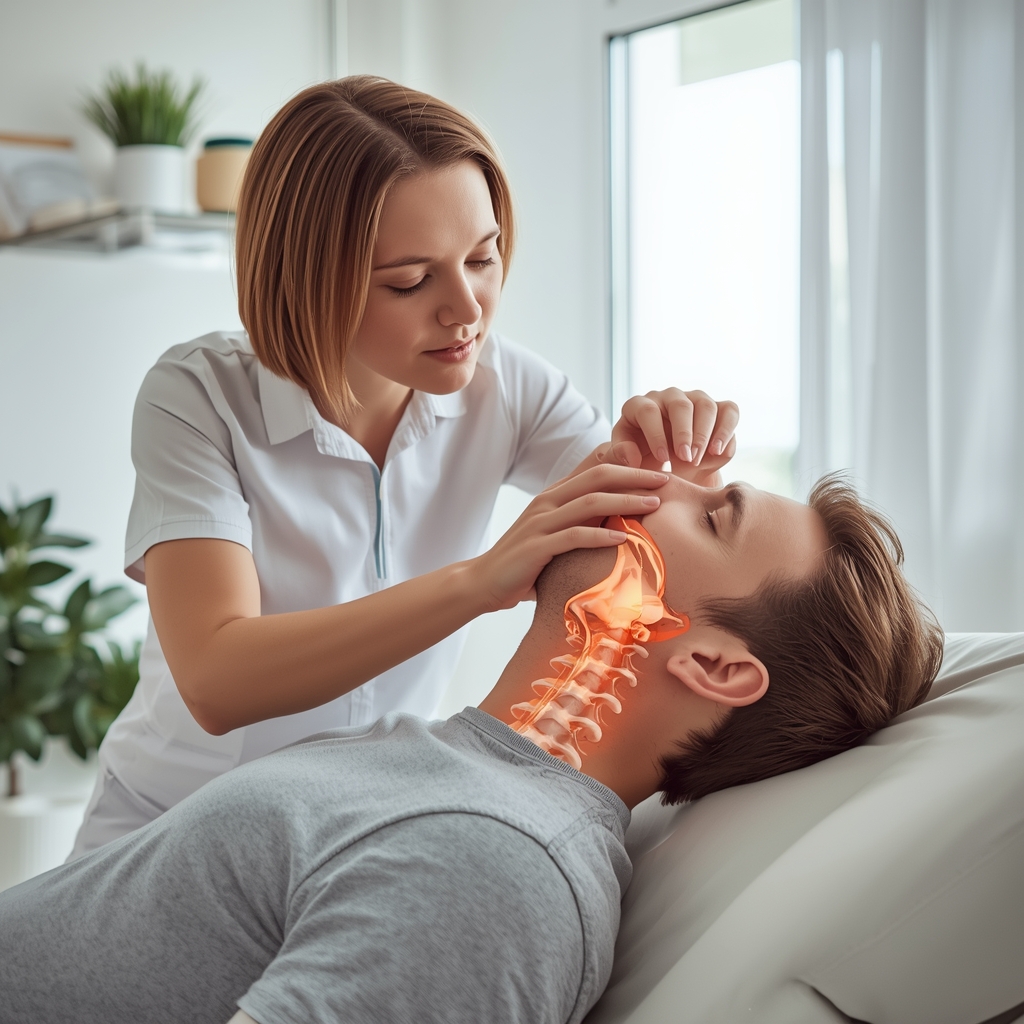
Understanding the Connection Between TMJ and Cervical Spine Misalignments
The temporomandibular joint (TMJ) and the cervical spine share complex anatomical and functional relationships that can influence each other. The TMJ, located near the jaw, works in coordination with muscles and nerves that also extend into the neck region. Cervical spine misalignments, such as subluxations or postural deviations, may alter biomechanics, leading to compensatory patterns that affect jaw movement. For example, forward head posture—a common cervical issue—can strain the muscles around the TMJ, contributing to discomfort. This interplay highlights the importance of addressing both areas when treating TMJ dysfunction, as unresolved cervical issues may perpetuate jaw-related symptoms.
Anatomical and Neurological Links
Anatomically, the TMJ is connected to the cervical spine through shared musculature, including the temporalis, masseter, and lateral pterygoid muscles. These muscles are also influenced by nerve pathways originating from the cervical spine, such as the trigeminal nerve. Misalignments in the neck can irritate these nerves, leading to referred pain or altered jaw function. Additionally, the cervical spine’s role in maintaining proper head and neck alignment affects the positioning of the mandible. When the cervical spine is out of balance, it may create uneven tension in the jaw muscles, exacerbating TMJ symptoms. This interconnected system underscores the need for a holistic approach to diagnosis and treatment.
How Cervical Spine Issues Impact TMJ Function
Cervical spine misalignments can disrupt the natural balance of the head and neck, indirectly affecting the TMJ. For instance, a restricted cervical vertebra may limit range of motion, causing the jaw to compensate during opening or closing. This compensation can lead to uneven wear on the TMJ cartilage or increased pressure on the joint. Furthermore, chronic neck tension from poor posture or injury may radiate to the jaw, contributing to pain or clicking sounds. Patients often report that addressing cervical spine issues through chiropractic care reduces TMJ-related discomfort, suggesting a bidirectional relationship. Understanding this connection allows practitioners to develop more comprehensive treatment plans that target both areas.
Chiropractic Adjustments for TMJ and Cervical Spine
Chiropractic adjustments can play a key role in alleviating TMJ dysfunction by restoring proper alignment to the cervical spine. Techniques such as diversified spinal manipulation or upper cervical adjustments aim to correct subluxations that may be contributing to jaw pain. By improving cervical mobility and reducing nerve irritation, these adjustments can alleviate muscle tension around the TMJ. Additionally, soft tissue therapies like myofascial release may complement adjustments by addressing tightness in the jaw and neck muscles. A chiropractor may also recommend exercises to strengthen postural muscles, further supporting long-term relief. However, treatment plans should be tailored to individual needs, as the severity and cause of TMJ issues vary.
Integrating Holistic Approaches
Treating TMJ and cervical spine issues often requires a multifaceted strategy. In addition to chiropractic adjustments, patients may benefit from physical therapy to address muscle imbalances or ergonomic modifications to reduce strain. Stress management techniques, such as mindfulness or jaw exercises, can also help, as stress often exacerbates TMJ symptoms. Dietary changes, like avoiding hard foods, may provide temporary relief. A chiropractor may collaborate with other healthcare providers to ensure a comprehensive approach. By combining manual therapies, lifestyle adjustments, and patient education, practitioners can address the root causes of TMJ dysfunction while promoting overall musculoskeletal health.
When to Seek Professional Guidance
If you experience persistent jaw pain, clicking sounds, or difficulty opening your mouth, it’s important to consult a healthcare provider. A chiropractor can evaluate your cervical spine and TMJ to determine if misalignments are contributing to your symptoms. They may use diagnostic tools, such as X-rays or physical exams, to assess the extent of the issue. While self-care strategies can offer temporary relief, professional intervention is often necessary for lasting results. A qualified chiropractor can develop a personalized plan that addresses both your TMJ and cervical spine, helping you achieve improved function and reduced discomfort. Always seek advice from a licensed practitioner before starting any new treatment.













