
Understanding Temporomandibular Joint Dysfunction
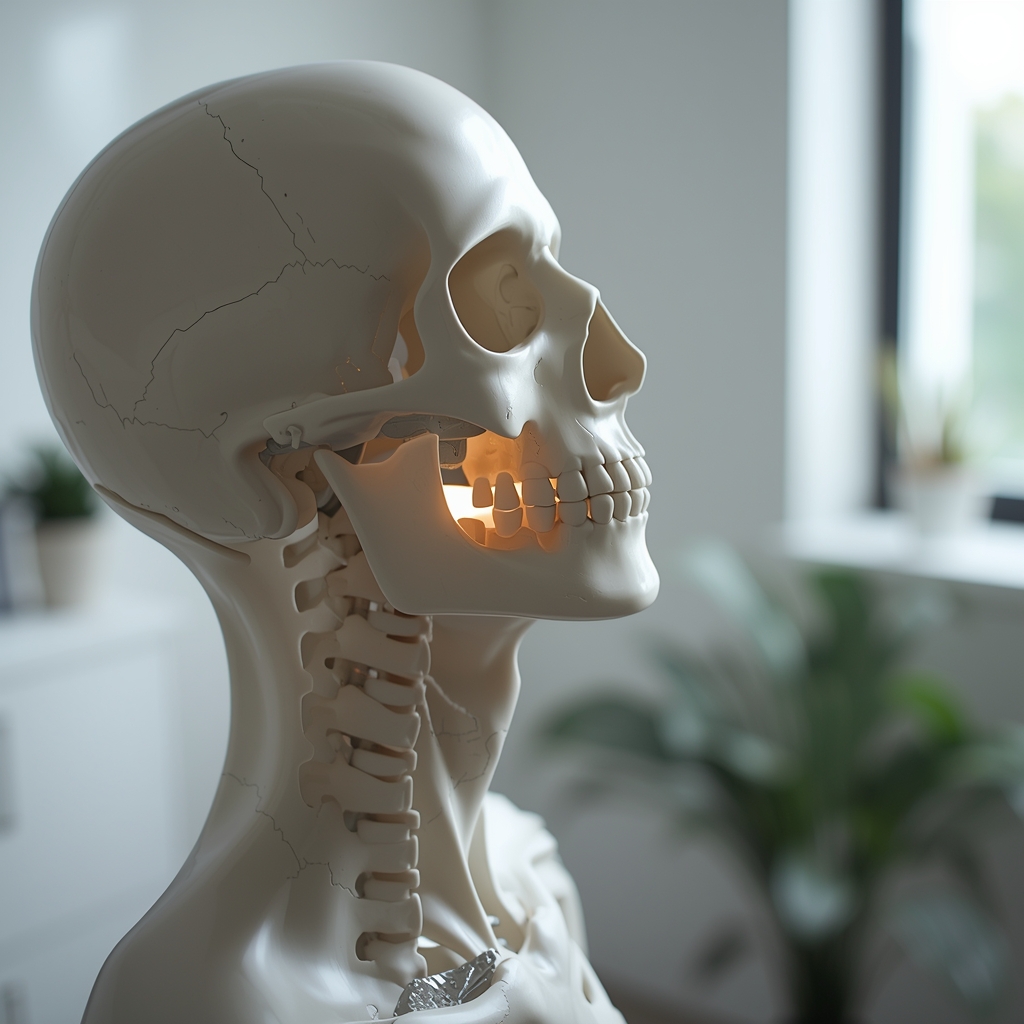
Temporomandibular joint (TMJ) dysfunction refers to a group of conditions affecting the jaw joint and surrounding muscles, often causing pain and limited movement. The TMJ connects the lower jaw to the skull, enabling actions like chewing and speaking. Misalignment of the jaw can disrupt this joint's normal function, leading to discomfort. While factors like stress or injury may contribute, jaw alignment plays a critical role in maintaining balance within the joint. Proper alignment ensures even distribution of pressure and smooth motion, whereas misalignment may cause excessive strain on the joint and surrounding structures. Understanding this relationship is essential for addressing TMJ-related issues effectively.
The Role of Jaw Alignment in TMJ Function
Jaw alignment influences how the temporomandibular joint operates. When the jaw is properly aligned, the joint functions efficiently, reducing wear and tear on its components. Misalignment, however, can create uneven pressure, leading to inflammation, pain, and reduced mobility. This imbalance may also affect the muscles responsible for jaw movement, causing tension and discomfort. For example, a misaligned bite can force the jaw to shift, altering the joint's natural mechanics. Over time, this can contribute to chronic TMJ dysfunction. Addressing alignment issues is often a key step in managing symptoms and restoring normal joint function.
Common Symptoms of TMJ Dysfunction
Individuals with TMJ dysfunction may experience a range of symptoms, including jaw pain, clicking or popping sounds when moving the jaw, and difficulty opening or closing the mouth. Headaches, earaches, and facial pain are also common, as the jaw's misalignment can radiate discomfort to nearby areas. Some people report a sensation of the jaw locking or shifting during movement, which can be alarming. These symptoms often worsen with activities like chewing, speaking, or yawning. While the severity varies, persistent issues may indicate a need for professional evaluation. Recognizing these signs early can help guide appropriate interventions to alleviate discomfort and prevent further complications.
Chiropractic Adjustments for Jaw Alignment
Chiropractic care may address TMJ dysfunction by focusing on jaw alignment and overall musculoskeletal balance. Spinal adjustments can help relieve tension in the neck and upper back, which may indirectly support proper jaw function. Chiropractors may also use specialized techniques to target the temporomandibular joint itself, aiming to restore normal movement and reduce pressure. These adjustments are typically gentle and tailored to the individual's needs. By improving alignment, chiropractic care may alleviate pain and enhance joint mobility. However, results can vary, and it is important to consult a qualified provider to determine the most suitable approach for each case.
Complementary Therapies and Self-Care
In addition to chiropractic adjustments, various therapies and self-care practices may support TMJ relief. Physical therapy exercises can strengthen jaw muscles and improve flexibility, while heat or cold therapy may reduce inflammation. Dental appliances, such as splints, can help correct bite issues and prevent grinding. Stress management techniques, like meditation or yoga, may also ease tension contributing to TMJ dysfunction. Patients are encouraged to avoid hard or chewy foods and practice good posture to minimize strain. While these methods can be beneficial, they should complement professional care rather than replace it. A healthcare provider can help determine the best combination of strategies for individual needs.
When to Seek Professional Help
If TMJ symptoms persist or worsen, consulting a healthcare professional is advisable. A chiropractor can assess jaw alignment and recommend targeted adjustments, while a dentist may evaluate dental-related causes. In some cases, a specialist such as an oral surgeon or physical therapist may be involved. Early intervention can prevent complications and improve outcomes. Patients should seek help if they experience severe pain, difficulty eating, or jaw locking. A thorough evaluation by a qualified provider ensures an accurate diagnosis and personalized treatment plan. By addressing TMJ dysfunction promptly, individuals can regain comfort and restore normal jaw function effectively.













