
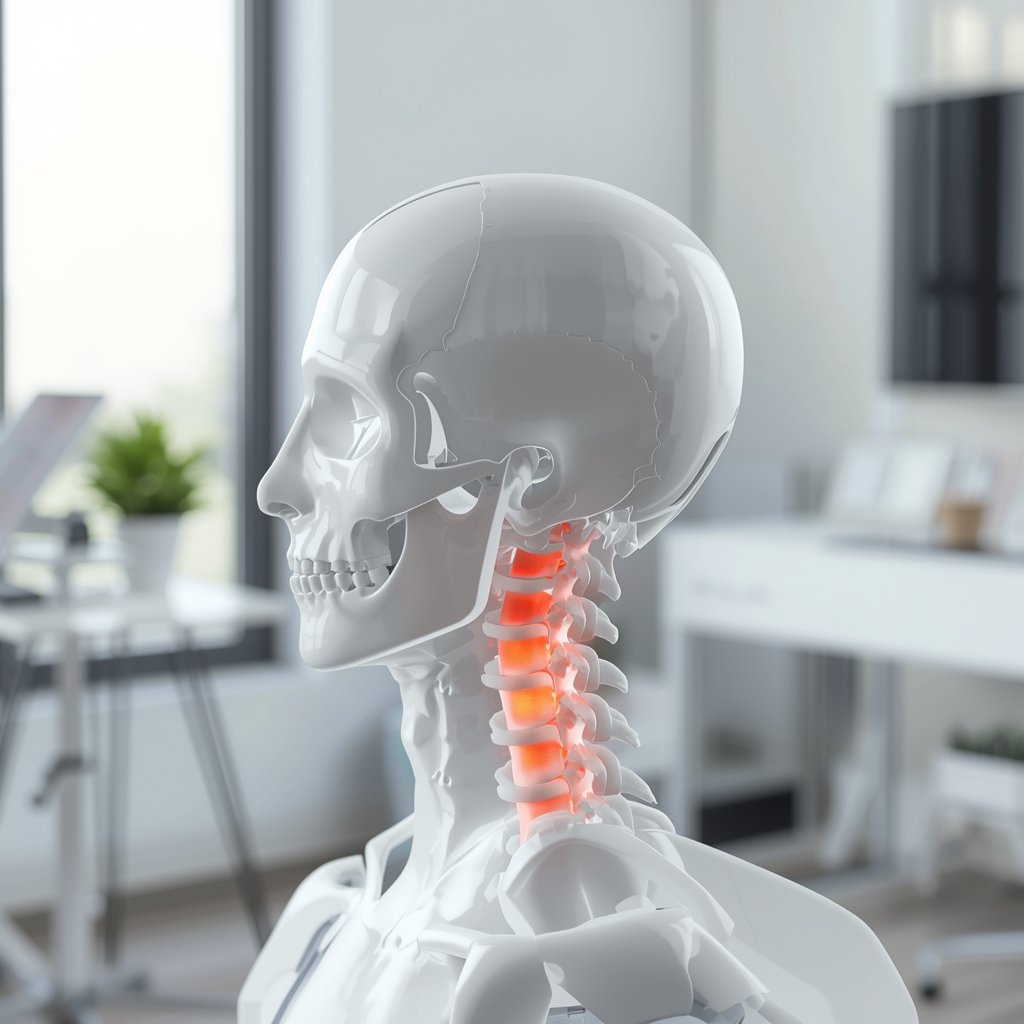
The Connection Between Cervical Spine Alignment and TMJ Disorders
The cervical spine, or neck region, plays a critical role in overall musculoskeletal health. Misalignments in this area, often referred to as subluxations, can create tension in surrounding muscles and nerves, potentially contributing to temporomandibular joint (TMJ) disorders. The TMJ, located near the ears, connects the jawbone to the skull and is highly sensitive to imbalances in the neck. When the cervical spine is out of alignment, it may alter the natural mechanics of jaw movement, leading to pain, clicking sounds, or difficulty opening the mouth. While TMJ disorders have multiple causes, including stress and teeth grinding, cervical spine issues are increasingly recognized as a significant factor. Understanding this connection highlights the importance of addressing spinal health when treating jaw-related conditions.
How Cervical Spine Misalignment Contributes to Jaw Pain
Cervical spine misalignment can affect the nervous system and musculature surrounding the jaw. The neck contains nerves that extend to the face and jaw, and any disruption in spinal alignment may irritate these nerves, causing referred pain or muscle tension. Additionally, poor posture or trauma to the neck can lead to compensatory changes in how the jaw functions. For example, a forward-head posture—common due to prolonged screen use—can strain the neck muscles, which in turn may pull on the jaw joint. This interconnectedness means that unresolved cervical issues can perpetuate TMJ symptoms. Patients often report relief when both the neck and jaw are addressed, underscoring the need for a holistic approach to treatment. However, it’s important to note that TMJ disorders are complex, and a qualified provider can help determine the best course of action.
Chiropractic Adjustments and Their Role in TMJ Relief
Chiropractic care focuses on restoring proper alignment to the spine, which can indirectly alleviate TMJ symptoms. By correcting cervical spine misalignments, chiropractors aim to reduce nerve interference and muscle tension that may contribute to jaw pain. Adjustments are typically gentle and tailored to the patient’s needs, targeting specific areas of the neck to promote balance. Many patients report reduced discomfort and improved range of motion after a series of sessions. However, chiropractic adjustments are not a standalone solution for all TMJ cases. They work best when combined with other strategies, such as physical therapy or stress management. It’s essential to consult a licensed chiropractor who has experience with TMJ disorders to ensure safe and effective care. While individual results vary, the goal is to support the body’s natural ability to heal and function optimally.
Common Techniques Used in Chiropractic Care for TMJ
Chiropractors employ a variety of techniques to address TMJ disorders, often starting with a thorough evaluation to identify cervical spine issues. Spinal adjustments are a primary method, focusing on realigning the vertebrae in the neck to relieve pressure on nerves and muscles. Soft tissue therapies, such as massage or myofascial release, may also be used to ease tension in the jaw and surrounding areas. Some practitioners incorporate mobilization techniques to gently move joints and improve flexibility. Additionally, patients might receive guidance on posture, ergonomics, or exercises to support long-term relief. These approaches are typically non-invasive and aim to enhance the body’s self-healing mechanisms. While results can vary, many find that combining these techniques with lifestyle adjustments leads to meaningful improvements. Always discuss any new treatment with a healthcare provider to ensure it aligns with your specific condition.
Benefits of Addressing Cervical Spine Issues for Long-Term Relief
Addressing cervical spine misalignments can offer lasting benefits for individuals with TMJ disorders by tackling underlying musculoskeletal imbalances. Correcting these issues may reduce chronic pain, improve jaw function, and prevent recurring symptoms. A properly aligned spine supports better posture, which in turn lessens strain on the neck and jaw. This holistic approach can also enhance overall well-being by promoting optimal nervous system function. Patients often experience fewer flare-ups and a greater ability to manage daily stressors that might otherwise exacerbate their condition. However, long-term success depends on consistent care and adherence to recommended strategies. Regular chiropractic check-ups, combined with self-care practices like stretching or heat therapy, can reinforce these benefits. It’s important to view this as part of a broader health plan rather than a quick fix, ensuring sustained relief and improved quality of life.
When to Seek Professional Help for TMJ and Cervical Spine Concerns
If you experience persistent jaw pain, difficulty chewing, or clicking sounds in the TMJ, it’s wise to consult a healthcare professional. While some symptoms may resolve on their own, chronic issues often require targeted intervention. A chiropractor can assess whether cervical spine misalignments are contributing to your condition and develop a personalized care plan. They may collaborate with other specialists, such as dentists or physical therapists, to address all aspects of your health. It’s important to seek help early to prevent complications and reduce the risk of long-term discomfort. Avoid self-diagnosing or relying solely on over-the-counter remedies, as these may not address the root cause. A qualified provider can guide you through safe, evidence-based options tailored to your needs. Remember, your health is a priority, and professional support can make a significant difference in your recovery journey.














