
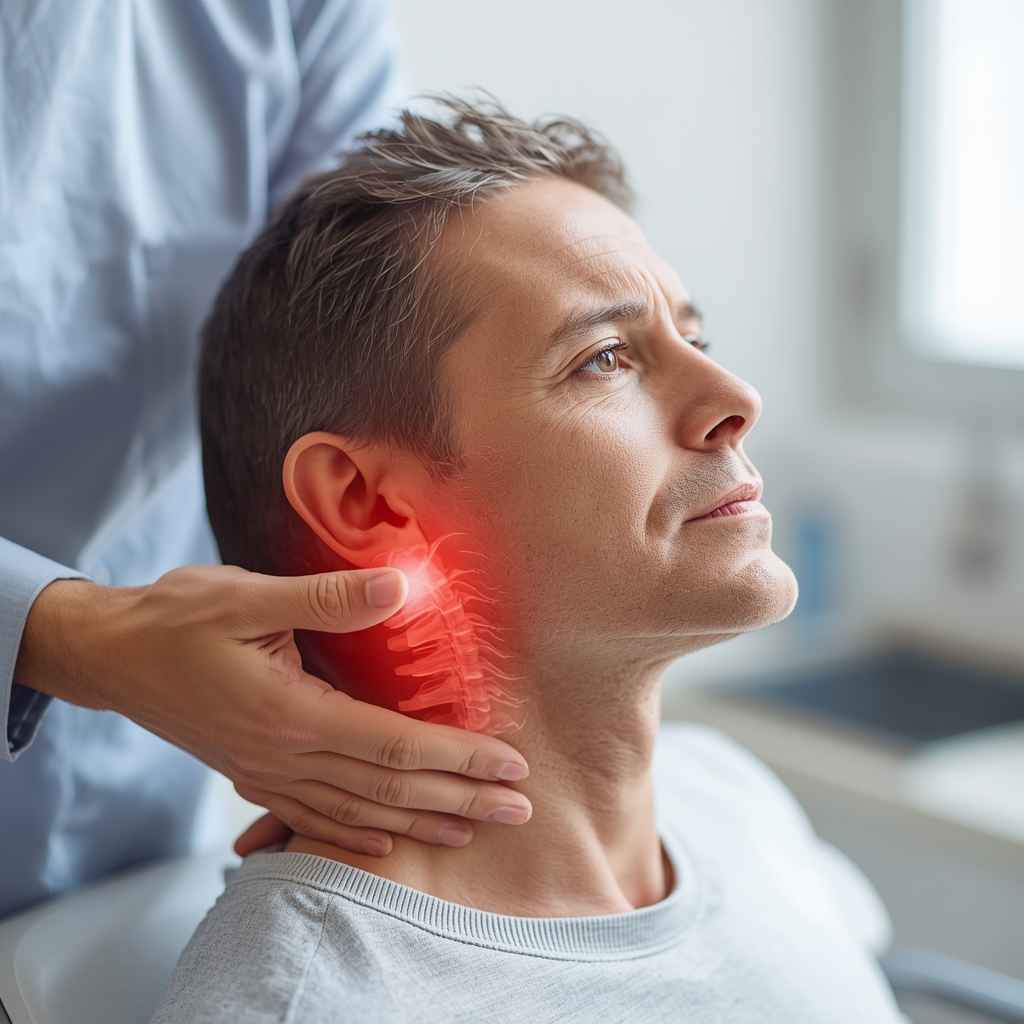
The Link Between Cervical Spine and TMJ Function
The cervical spine, or neck region, is closely connected to the temporomandibular joint (TMJ) through shared nerve pathways and musculature. Misalignments in the cervical spine can create tension in the surrounding muscles, which may radiate to the jaw area. This tension can contribute to TMJ disorders, causing pain, limited jaw movement, or clicking sounds. Chiropractors often consider the cervical spine when addressing TMJ issues, as restoring proper alignment may reduce referred pain and improve joint function. Understanding this relationship highlights why a holistic approach to spinal health can play a role in managing jaw discomfort.
How Cervical Adjustments Improve Jaw Alignment
Cervical spine adjustments aim to correct misalignments, or subluxations, that may disrupt nerve function and muscle balance. When the neck is properly aligned, it can alleviate pressure on nerves that influence jaw movement and sensation. This realignment may also reduce muscle spasms in the neck and shoulders, which often contribute to TMJ strain. By addressing these mechanical imbalances, chiropractors help the body’s natural healing processes support the TMJ. Patients frequently report reduced jaw pain and improved mobility after a series of adjustments, though individual results vary and should be discussed with a qualified provider.
Reducing Nerve Compression and Muscle Tension
Nerve compression in the cervical spine can lead to referred pain in the jaw, headaches, and even facial discomfort. Adjustments help relieve this pressure by restoring proper spinal curvature and mobility. Additionally, misalignments may cause muscles in the neck and jaw to become overworked or tight, exacerbating TMJ symptoms. Chiropractic techniques target these areas to relax tense muscles and improve blood flow. This dual approach—addressing both nerve function and muscle tension—can create a more balanced environment for the TMJ to function. However, it’s important to note that chiropractic care is one component of a broader treatment plan for TMJ disorders.
Enhancing Overall Posture and Movement Patterns
Poor posture, such as forward head positioning, can strain the cervical spine and indirectly affect the TMJ. Chiropractors evaluate and correct postural imbalances that may contribute to jaw pain. By improving alignment, adjustments can reduce the workload on neck muscles, which in turn lessens their impact on the jaw. Patients often benefit from additional guidance on ergonomic habits and exercises to maintain these improvements. While cervical adjustments alone may not resolve all TMJ issues, they can be a valuable part of a comprehensive strategy to restore balance and reduce discomfort.
Integrating Chiropractic Care with Other Treatments
Chiropractic adjustments for TMJ pain are most effective when combined with other therapeutic approaches. Dentists may recommend splints or bite adjustments, while physical therapists can address muscle imbalances. Chiropractors often collaborate with these professionals to create a personalized care plan. Patients should discuss their full treatment regimen with their chiropractor to ensure compatibility and safety. For example, certain adjustments may need to be timed around dental interventions. This integrative approach emphasizes the importance of a multidisciplinary team in managing complex conditions like TMJ disorders.
When to Seek a Chiropractor for TMJ Relief
If jaw pain persists despite self-care measures, consulting a chiropractor may be beneficial. A qualified provider can assess whether cervical spine issues contribute to TMJ symptoms and develop a tailored plan. Patients should look for chiropractors with experience in TMJ and craniofacial disorders. During the initial visit, the chiropractor will review medical history, perform a physical exam, and may recommend imaging if needed. It’s important to communicate any pre-existing conditions or medications to ensure safe care. While chiropractic adjustments can offer relief, they are not a substitute for medical evaluation, especially if symptoms worsen or include severe swelling or locking of the jaw.













