
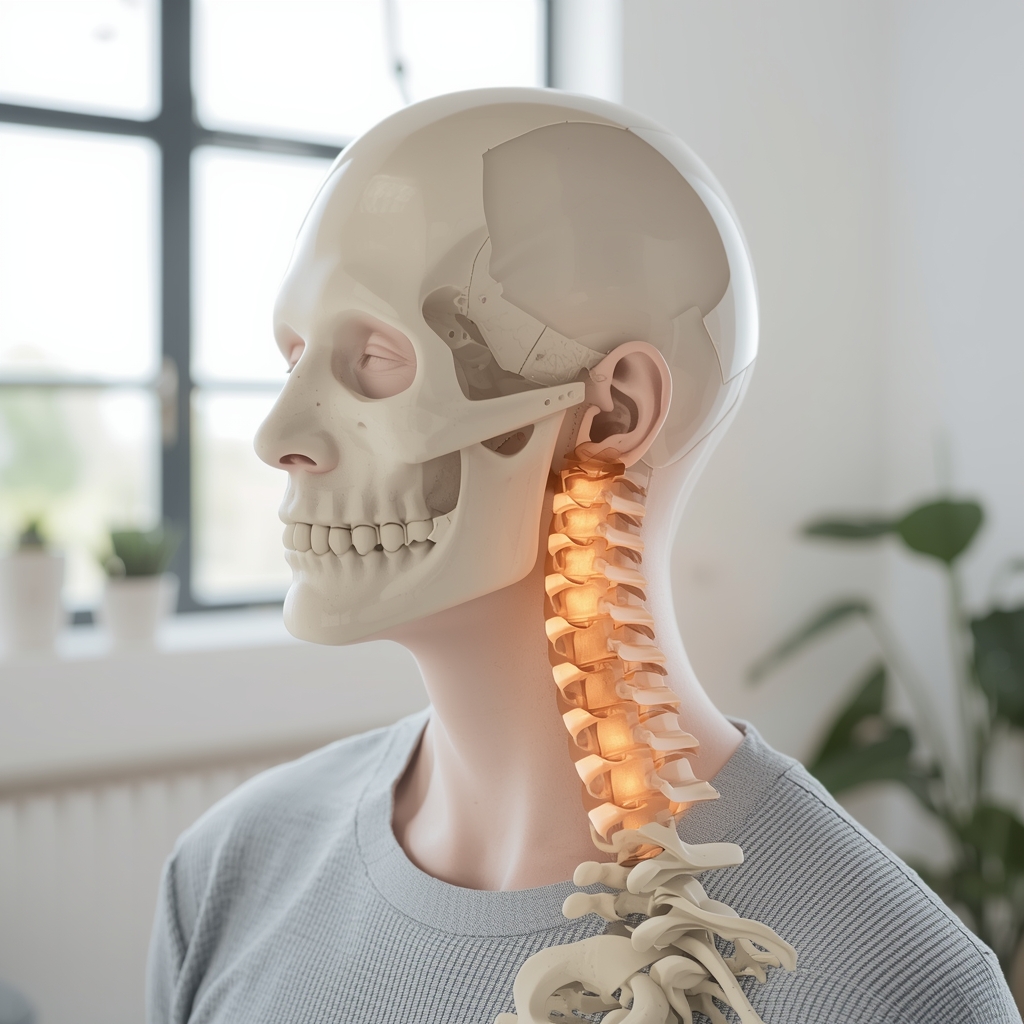
Understanding the Connection Between TMJ and Cervical Spine
The temporomandibular joint (TMJ) and cervical spine are interconnected through shared musculature and neural pathways, making their relationship critical for jaw function. Misalignments in the cervical spine can create tension in the neck and head, which may radiate to the TMJ, contributing to chronic jaw pain. For example, poor posture or spinal subluxations might alter the biomechanics of the head and neck, leading to uneven pressure on the jaw joint. This interplay highlights why addressing both areas is essential for comprehensive care. Chiropractors often evaluate the cervical spine when treating TMJ disorders, as correcting spinal alignment can alleviate referred pain and improve overall function. By understanding this relationship, patients can appreciate how holistic adjustments may offer relief where isolated treatments fail.
How Chiropractic Adjustments Target TMJ Dysfunction
Chiropractic adjustments for TMJ issues focus on restoring proper alignment and function to the jaw joint and surrounding structures. Techniques may include gentle manipulations of the TMJ itself, as well as adjustments to the cervical spine to reduce nerve interference and muscle tension. These adjustments aim to improve joint mobility, decrease inflammation, and enhance blood flow to the area. For instance, realigning the atlas (C1 vertebra) can relieve pressure on nerves that influence jaw movement. By addressing both mechanical and neurological factors, chiropractors help patients achieve better jaw function and reduced pain. Many report decreased headaches, improved chewing ability, and less jaw locking after consistent care. However, results vary, and a qualified provider should tailor the approach to individual needs.
The Role of Cervical Spine Alignment in Jaw Pain Relief
Proper cervical spine alignment is crucial for reducing jaw pain, as misalignments can disrupt the nervous system and create compensatory patterns in the jaw. When the neck is out of balance, it may cause the head to shift forward, increasing strain on the TMJ. This forward head posture can lead to overuse of the jaw muscles, contributing to chronic discomfort. Chiropractors use specific techniques to correct these imbalances, such as adjusting the upper cervical vertebrae to restore natural spinal curves. By doing so, they help alleviate referred pain and improve the body’s ability to self-regulate. Patients often experience relief from symptoms like clicking, popping, or difficulty opening their mouths. Regular adjustments can also prevent long-term complications by maintaining optimal spinal and jaw function.
Improving Bite Alignment Through Spinal Corrections
While bite alignment is often associated with dental interventions, the spine plays a significant role in how the jaw functions. Spinal misalignments, particularly in the cervical region, can affect the muscles and nerves that control jaw movement, potentially leading to malocclusion. Chiropractic adjustments aim to correct these imbalances, allowing the jaw to settle into a more natural position. For example, realigning the spine may reduce muscle tension that forces the jaw into an improper bite. This approach complements traditional dental treatments by addressing underlying musculoskeletal factors. Patients with temporomandibular disorders often report improved bite comfort and reduced wear on teeth after spinal care. However, collaboration between chiropractors and dentists is key to achieving the best outcomes, ensuring a multidisciplinary approach to oral and spinal health.
Combining Chiropractic Care with Other Therapies
Chiropractic adjustments for TMJ and jaw pain are most effective when integrated with other therapeutic strategies. Soft tissue therapies, such as massage or myofascial release, can complement spinal adjustments by easing tension in the jaw muscles. Physical therapy exercises may also strengthen the muscles around the TMJ, improving stability and function. Additionally, lifestyle modifications—like avoiding hard foods or practicing stress management—can reduce strain on the jaw. Chiropractors often recommend these adjunctive approaches to enhance long-term results. For instance, a patient might receive spinal adjustments while also using a night guard to prevent teeth grinding. This holistic framework addresses both structural and behavioral factors, offering a more comprehensive solution for chronic jaw pain and bite issues.
When to Seek Professional Guidance for Jaw Pain
If you experience persistent jaw pain, clicking, or difficulty chewing, consulting a chiropractor specializing in TMJ disorders is a proactive step. A qualified provider will conduct a thorough evaluation, including posture analysis and spinal assessment, to identify contributing factors. While chiropractic care can be highly beneficial, it’s important to rule out other conditions through collaboration with medical professionals. For example, a dentist or oral surgeon may need to address structural issues like joint degeneration. Chiropractors can work alongside these specialists to create a tailored care plan. Patients should also communicate any changes in symptoms to ensure adjustments are safe and effective. By seeking expert guidance, individuals can explore non-invasive options that may reduce reliance on medications or procedures.













