
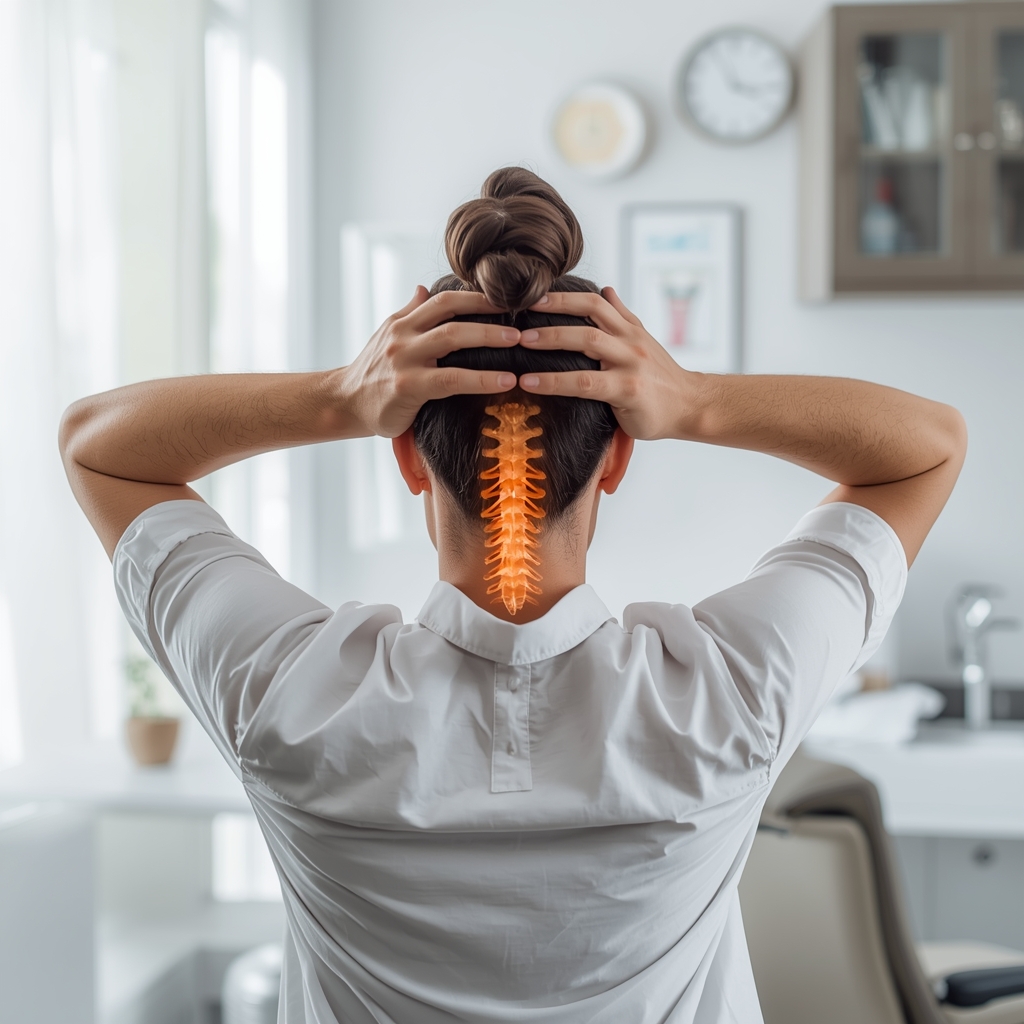
Understanding the Link Between TMJ Disorders and Cervical Spine Function
TMJ disorders often involve dysfunction in the temporomandibular joint, which connects the jawbone to the skull. This joint works closely with the cervical spine, as misalignments or tension in the neck can affect jaw movement and muscle balance. When the cervical spine is out of alignment, it may alter nerve signals and muscle tension patterns, contributing to jaw discomfort and headaches. Tension headaches, common in TMJ cases, can arise from referred pain or muscle strain originating in the neck. Recognizing this connection is key to addressing both issues holistically. Chiropractic care focuses on restoring balance to the musculoskeletal system, which may alleviate symptoms by improving joint mobility and reducing nerve interference.
How Cervical Spine Adjustments May Alleviate Tension Headaches
Cervical spine adjustments aim to correct vertebral misalignments, which can reduce pressure on nerves and improve blood flow. This may help ease tension headaches by addressing their root causes, such as muscle tightness or nerve irritation. For individuals with TMJ disorders, neck adjustments can also relieve strain on the muscles surrounding the jaw, as these muscles often become overworked due to compensatory postures. By restoring proper alignment, adjustments may decrease the frequency and intensity of headaches linked to TMJ dysfunction. However, results vary, and a chiropractor can assess whether this approach suits an individual’s specific condition.
The Role of Musculoskeletal Balance in TMJ and Headache Relief
The cervical spine and TMJ are interconnected through shared musculature and nerve pathways. When the neck is misaligned, it can create imbalances that radiate to the jaw, leading to pain and restricted movement. Adjustments help realign the spine, promoting better posture and reducing strain on the jaw muscles. This improved balance may decrease the likelihood of headaches triggered by TMJ-related tension. Additionally, addressing cervical spine issues can enhance overall body mechanics, supporting long-term relief. While adjustments alone may not resolve all TMJ symptoms, they can be a valuable component of a broader treatment plan.
Addressing Nerve Interference and Muscle Tension
Misalignments in the cervical spine can irritate nerves that extend to the head and jaw, contributing to chronic tension headaches. By correcting these misalignments, chiropractic adjustments may reduce nerve irritation and restore normal function. This can alleviate pain signals and improve muscle coordination around the TMJ. Additionally, adjustments may help relax overactive jaw muscles, which often tighten in response to neck discomfort. While not a standalone solution, this approach can complement other therapies, such as physical therapy or stress management, to provide more comprehensive relief.
Integrating Chiropractic Care With Other TMJ Treatments
Chiropractic adjustments are most effective when combined with other TMJ treatments, such as physical therapy, bite guards, or stress reduction techniques. A chiropractor may collaborate with dentists or specialists to create a tailored plan addressing both structural and functional aspects of TMJ disorders. For example, adjustments can support jaw alignment while other interventions target muscle relaxation or occlusal imbalances. This multidisciplinary approach ensures that all contributing factors are addressed, increasing the likelihood of long-term symptom relief. Patients should discuss their full treatment regimen with healthcare providers to avoid conflicts or overlapping therapies.
When to Seek Professional Guidance for TMJ and Cervical Spine Issues
If tension headaches persist or worsen alongside TMJ symptoms, consulting a chiropractor or healthcare provider is advisable. A professional can evaluate the cervical spine and jaw for misalignments, muscle imbalances, or other underlying issues. They may recommend adjustments, soft tissue therapies, or referrals to specialists as needed. It’s important to note that while chiropractic care can be beneficial, it should not replace conventional medical advice. Individuals should work with qualified practitioners to explore safe, evidence-based options for managing their symptoms and improving overall well-being.













