
Introduction to Wearable Sensors in Chiropractic Care
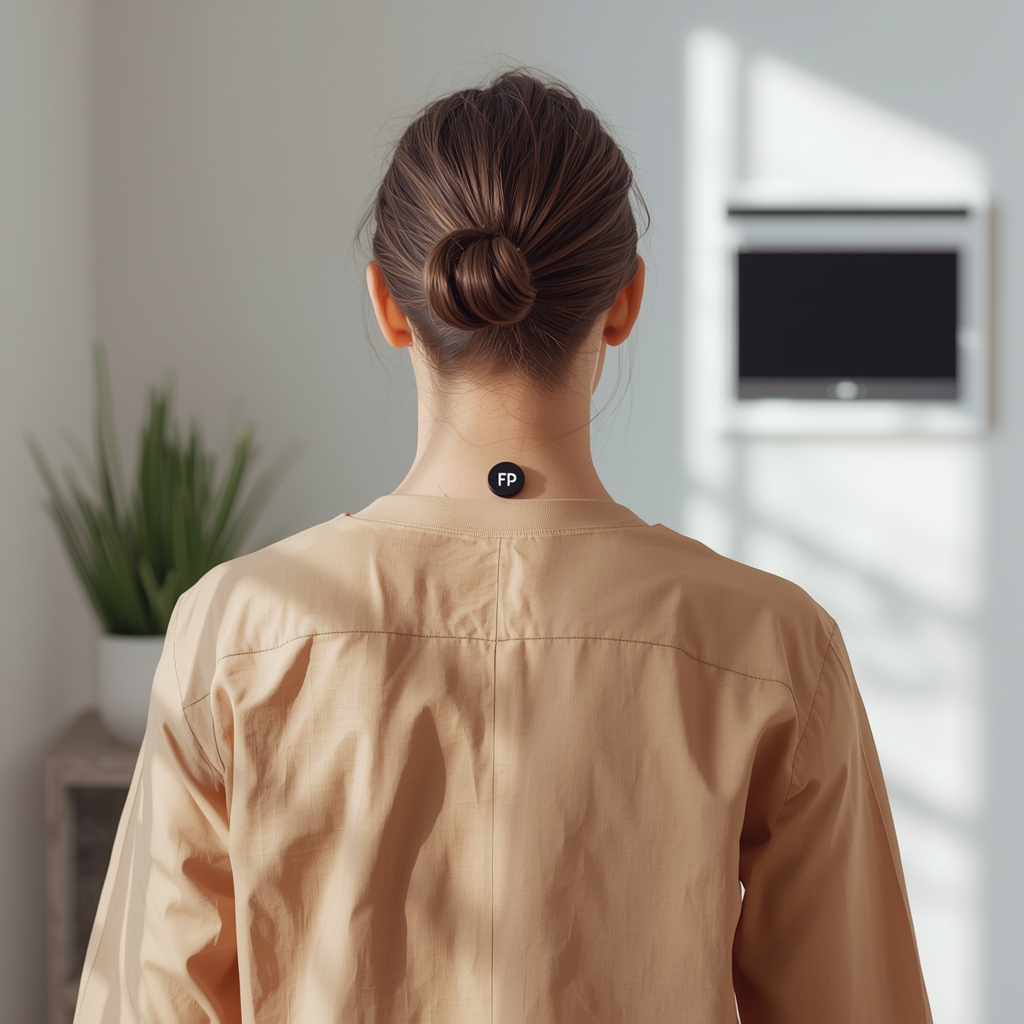
Wearable sensors are emerging as valuable tools in chiropractic treatment, offering real-time data on patient movement, posture, and activity levels. These devices, such as smart bands, posture monitors, and motion trackers, provide objective insights into how patients engage with their care plans. By capturing continuous metrics, they help chiropractors assess progress beyond traditional in-office evaluations. This technology aligns with the industry’s shift toward data-driven, patient-centered approaches. While not a replacement for hands-on assessments, wearables complement manual techniques by highlighting patterns and trends. Their integration reflects a broader trend of leveraging innovation to enhance treatment accuracy and patient outcomes. As chiropractors explore new ways to monitor recovery, wearable sensors stand out as a promising addition to the toolkit.
How Wearables Track Movement and Posture
Wearable sensors use accelerometers, gyroscopes, and pressure sensors to monitor body mechanics during daily activities. For example, posture-tracking devices detect slouching or imbalances, while motion sensors evaluate range of motion and gait. These tools can identify compensatory movements that may hinder recovery or indicate unresolved musculoskeletal issues. By quantifying factors like sitting duration, step count, or spinal alignment, wearables provide a clearer picture of a patient’s functional progress. Chiropractors can use this data to tailor adjustments and recommend targeted exercises. The continuous nature of the data also helps spot irregularities that might go unnoticed during sporadic office visits. This level of detail supports more precise interventions, ensuring care aligns with a patient’s unique biomechanics and lifestyle.
Real-Time Data for Adjusting Treatment Plans
Real-time data from wearable sensors allows chiropractors to make dynamic adjustments to treatment strategies. If a patient’s posture improves but movement patterns remain restricted, the provider can refine their approach to address specific limitations. Wearables also help track compliance with home exercise programs, ensuring patients follow prescribed routines. For instance, a device measuring spinal mobility might show gradual improvement, signaling that current techniques are effective. Conversely, stagnant data could prompt a reevaluation of the care plan. This adaptability enhances the precision of chiropractic interventions, reducing guesswork and fostering more responsive care. By bridging the gap between office visits, wearables enable ongoing, personalized support that aligns with a patient’s evolving needs.
Enhancing Patient Engagement and Compliance
Wearable sensors empower patients by making their progress visible and actionable. Visual feedback, such as posture scores or activity summaries, motivates individuals to stay engaged with their care. Many devices offer reminders for exercises or posture corrections, reinforcing healthy habits outside the clinic. This engagement can improve adherence to chiropractic recommendations, leading to better long-term outcomes. Patients also gain a deeper understanding of how their daily behaviors impact their condition, fostering a collaborative approach to recovery. Chiropractors can use this data to celebrate milestones or address challenges, strengthening the patient-provider relationship. By turning abstract goals into measurable achievements, wearables transform passive care into an active, participatory process that supports sustained wellness.
Integration with Chiropractic Tools and Equipment
Wearable sensors complement traditional chiropractic tools by adding a layer of quantitative analysis. When paired with manual exams or imaging, they offer a more comprehensive view of a patient’s condition. For example, a posture sensor’s data might align with findings from a spinal assessment, reinforcing the need for specific adjustments. Some devices sync with electronic health records, streamlining documentation and enabling seamless communication between providers. This integration also supports telehealth consultations, where remote monitoring can guide virtual care. As chiropractic practices adopt more technology, wearables become part of a cohesive ecosystem that enhances diagnostic accuracy and treatment efficiency. Their compatibility with existing equipment ensures they serve as an enhancement rather than a disruption to established workflows.
Future Prospects and Considerations
The future of wearable sensors in chiropractic care holds potential for even more advanced applications. Innovations may include AI-driven analytics that predict recovery trajectories or detect early signs of relapse. However, challenges like data privacy, device accuracy, and patient accessibility must be addressed. Chiropractors should approach these tools with a critical eye, ensuring they align with evidence-based practices and patient needs. Training on interpreting sensor data will be essential to avoid over-reliance on technology. As the field evolves, collaboration between chiropractors, technologists, and researchers will shape how wearables are used responsibly. While promising, their role remains supplementary, emphasizing the importance of combining technological insights with clinical expertise for optimal patient care.













