
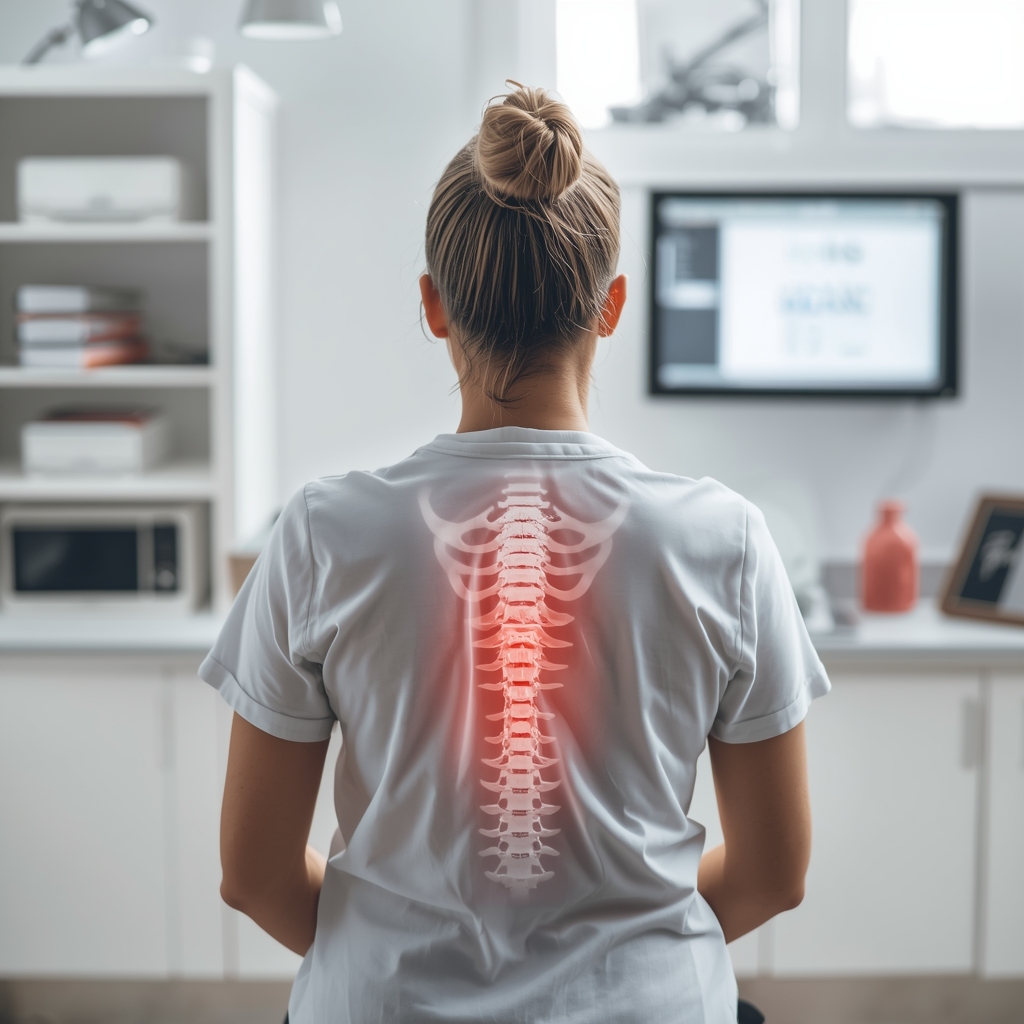
Introduction to Remote Patient Monitoring in Chronic Pain Management
Remote patient monitoring (RPM) tools are transforming how chiropractors approach chronic pain management by enabling continuous, data-driven care beyond in-person visits. These tools leverage wearable devices, mobile apps, and digital platforms to track patient progress, symptoms, and lifestyle factors in real time. For chiropractors, this means gaining deeper insights into how patients respond to treatments, lifestyle choices, and environmental influences. By integrating RPM into practice, chiropractors can create more personalized care plans while fostering long-term patient engagement. This shift aligns with broader trends in healthcare toward proactive, patient-centered models, allowing chiropractors to address chronic pain with greater precision and flexibility. As telehealth continues to evolve, RPM offers a valuable complement to traditional chiropractic care, ensuring patients receive support even outside the clinic.
Types of Remote Monitoring Tools Used in Chiropractic Care
Chiropractors can utilize a variety of remote monitoring tools to track patient health metrics and treatment adherence. Wearable devices, such as smartwatches and activity trackers, monitor movement, heart rate, and sleep patterns, providing clues about a patient’s overall well-being and pain levels. Mobile apps may include pain diaries, posture analysis, or guided exercises tailored to individual needs. Some tools use sensors to detect spinal alignment changes or muscle activity, offering objective data to inform adjustments. Additionally, telehealth platforms enable secure communication between patients and providers, allowing for real-time feedback and adjustments to care plans. These technologies empower patients to take an active role in their recovery while giving chiropractors actionable insights to refine treatments. By leveraging these tools, chiropractors can bridge the gap between office visits, ensuring consistent care and early intervention when needed.
Enhancing Patient Engagement and Adherence
Remote monitoring tools play a critical role in boosting patient engagement and adherence to chiropractic care plans. By providing patients with accessible, real-time feedback on their progress, these tools foster a sense of ownership over their health. For example, apps that track daily movement or posture can motivate patients to maintain recommended exercises or ergonomic habits. Notifications and reminders help ensure consistent use of prescribed therapies, such as stretching routines or home care practices. Additionally, regular check-ins via telehealth platforms keep patients connected to their care team, reducing the risk of treatment gaps. This continuous interaction not only improves outcomes but also strengthens the patient-provider relationship. As patients see measurable improvements through data, they are more likely to stay committed to their care journey, leading to better long-term results in chronic pain management.
Data-Driven Adjustments and Treatment Optimization
Remote monitoring generates valuable data that chiropractors can use to refine treatment strategies and optimize outcomes. By analyzing trends in patient-reported symptoms, activity levels, and physiological metrics, providers can identify patterns that may indicate progress or areas needing adjustment. For instance, if a patient’s sleep quality improves alongside reduced pain scores, it suggests a positive response to current interventions. Conversely, spikes in pain levels or decreased mobility might signal the need for modified techniques or additional support. This data-driven approach allows chiropractors to make informed decisions, avoiding guesswork and ensuring treatments align with individual needs. Over time, consistent monitoring helps track the effectiveness of various modalities, enabling providers to adapt care plans dynamically. This level of personalization enhances the efficacy of chronic pain management and reinforces the value of ongoing, collaborative care.
Addressing Challenges and Ensuring Ethical Use
While remote monitoring offers significant benefits, chiropractors must navigate challenges related to data privacy, accessibility, and ethical considerations. Protecting patient information is critical, requiring compliance with regulations like HIPAA to ensure secure handling of health data. Additionally, not all patients may have equal access to technology, creating disparities in care delivery. Chiropractors should assess patients’ technological literacy and provide guidance to overcome barriers. Ethically, providers must avoid over-reliance on data at the expense of clinical judgment, ensuring tools complement—not replace—personalized care. Transparency with patients about how data is used and its limitations is essential to build trust. By addressing these challenges thoughtfully, chiropractors can harness remote monitoring responsibly, ensuring it enhances rather than complicates the patient experience in chronic pain management.
The Future of Remote Monitoring in Chiropractic Practice
The integration of remote monitoring tools into chiropractic care is poised to expand as technology advances and patient expectations evolve. Future developments may include more sophisticated wearables with AI-driven analytics, enabling predictive insights into pain patterns and treatment responses. Telehealth platforms could also become more seamless, offering integrated solutions for data collection, communication, and care coordination. As these tools become more user-friendly, they may further reduce barriers to access, making chronic pain management more inclusive. Chiropractors who adopt these innovations early can position themselves as leaders in modern, patient-centered care. However, ongoing education and adaptability will be key to leveraging these technologies effectively. By embracing remote monitoring, chiropractors can enhance their ability to support patients holistically, ensuring care remains responsive, evidence-based, and aligned with the future of healthcare.














