
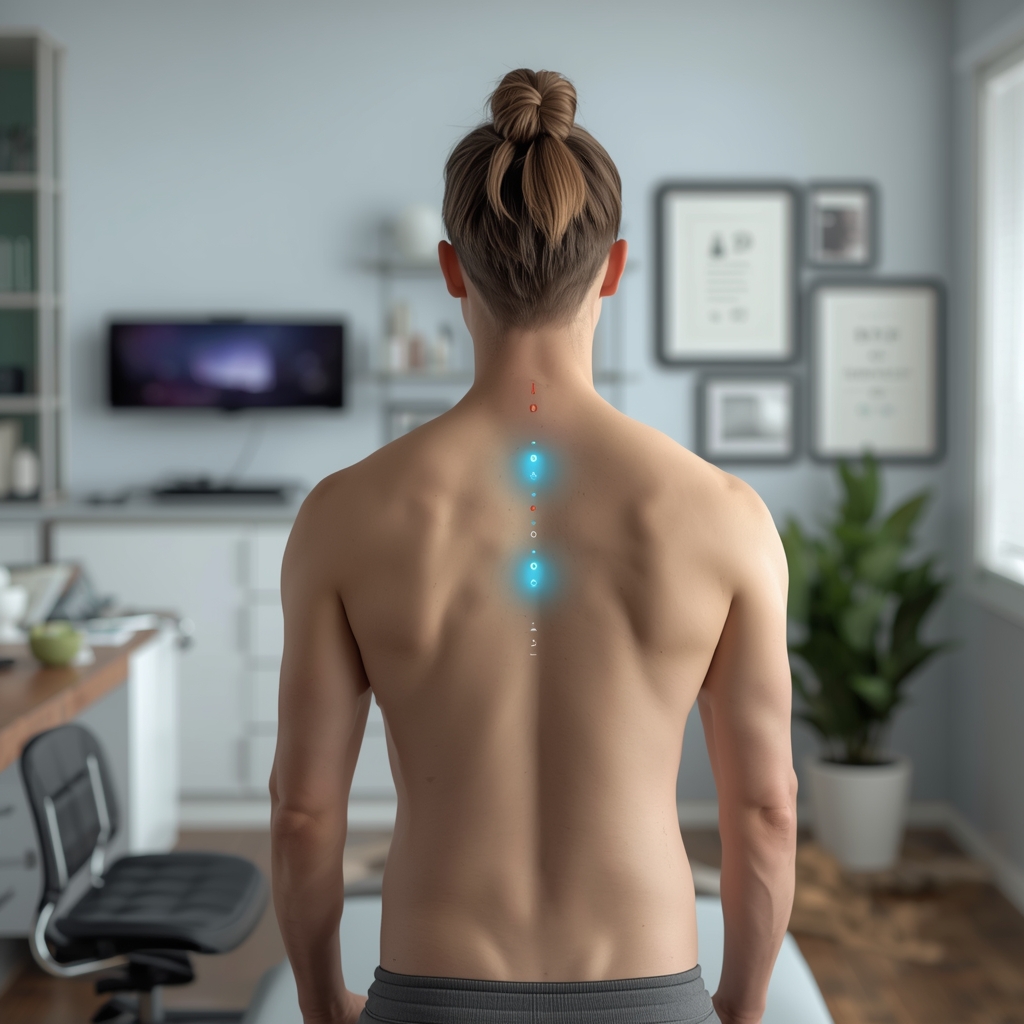
Introduction to Remote Postural Assessment
Postural imbalances can significantly impact musculoskeletal health, but identifying them remotely requires innovative tools. Telehealth consultations now enable chiropractors to assess patients' posture using wearable sensors and video analysis. These technologies allow for real-time data collection and visual observation, even when the patient is not physically present. By leveraging digital tools, chiropractors can detect subtle misalignments and movement patterns that may contribute to pain or dysfunction. This approach expands access to care, particularly for patients in remote areas or those with mobility challenges. However, successful implementation depends on proper training, reliable technology, and clear communication between providers and patients. As telehealth continues to evolve, integrating these tools becomes increasingly vital for comprehensive, patient-centered care.
Wearable Sensors for Posture Tracking
Wearable sensors, such as accelerometers and gyroscopes, offer objective data about a patient’s posture and movement. These devices can be worn on the body during daily activities, capturing metrics like spinal alignment, range of motion, and muscle activation. During telehealth visits, chiropractors can review this data to identify asymmetries or deviations from optimal posture. For example, a sensor might detect excessive forward head positioning or uneven weight distribution. This information helps clinicians create personalized correction plans. Patients can also use these tools to monitor progress over time, fostering greater engagement in their care. While wearable technology is not a substitute for in-person exams, it enhances remote assessments by providing quantifiable insights that guide treatment decisions.
Video Analysis for Visual Posture Evaluation
Video analysis allows chiropractors to observe a patient’s posture during virtual consultations. Patients can record themselves performing specific movements or sitting/standing in a neutral position, enabling providers to assess alignment and biomechanics. This method is particularly useful for identifying visible issues like scoliosis, rounded shoulders, or pelvic tilt. Advanced software can enhance this process by measuring angles and comparing them to established norms. While video analysis lacks the precision of wearable sensors, it offers a dynamic view of how posture changes during activity. Combining this with patient-reported symptoms provides a more holistic picture. Chiropractors must ensure patients understand how to position cameras and lighting for accurate evaluations, emphasizing the importance of clear instructions during telehealth visits.
Combining Sensors and Video for Comprehensive Insights
Integrating wearable sensors with video analysis creates a more complete assessment of postural imbalances. Sensors provide quantitative data on movement patterns, while video captures visual context, such as how a patient compensates during tasks. For instance, a sensor might detect uneven weight distribution, and video could reveal compensatory gait changes. This dual approach helps chiropractors differentiate between structural issues and functional adaptations. Patients benefit from a more accurate diagnosis, leading to targeted interventions. However, interpreting combined data requires technical expertise and standardized protocols. Chiropractors must also address privacy concerns when handling sensitive health information. Despite these challenges, the synergy of these tools enhances the reliability of remote assessments, supporting better outcomes for patients.
Challenges and Limitations in Telehealth Assessments
While wearable sensors and video analysis offer valuable insights, they also present challenges. Technical issues, such as poor internet connectivity or camera quality, can hinder accurate evaluations. Patients may struggle with proper device placement or recording techniques, leading to incomplete data. Additionally, these tools cannot fully replace hands-on examinations, which remain critical for diagnosing complex musculoskeletal conditions. There is also the risk of over-reliance on technology, potentially overlooking patient-reported symptoms or subjective experiences. Chiropractors must balance digital tools with clinical judgment, ensuring assessments remain patient-centered. Training and ongoing education are essential to navigate these limitations effectively. Addressing these challenges helps maintain the quality and safety of telehealth services while expanding their accessibility.
Future Directions for Digital Posture Assessment
The future of telehealth in chiropractic care may involve more advanced digital tools for posture assessment. Emerging technologies like AI-driven analytics could automatically detect postural deviations from sensor or video data, streamlining the diagnostic process. Wearable devices may also become more sophisticated, offering real-time feedback to patients during daily activities. As these innovations develop, chiropractors will need to stay informed about new capabilities and best practices for integration. Patient education will remain crucial to ensure effective use of these tools. While technology cannot replace the expertise of a qualified provider, it has the potential to enhance remote care significantly. By embracing these advancements, chiropractors can continue to adapt to evolving healthcare needs and improve patient outcomes.














