
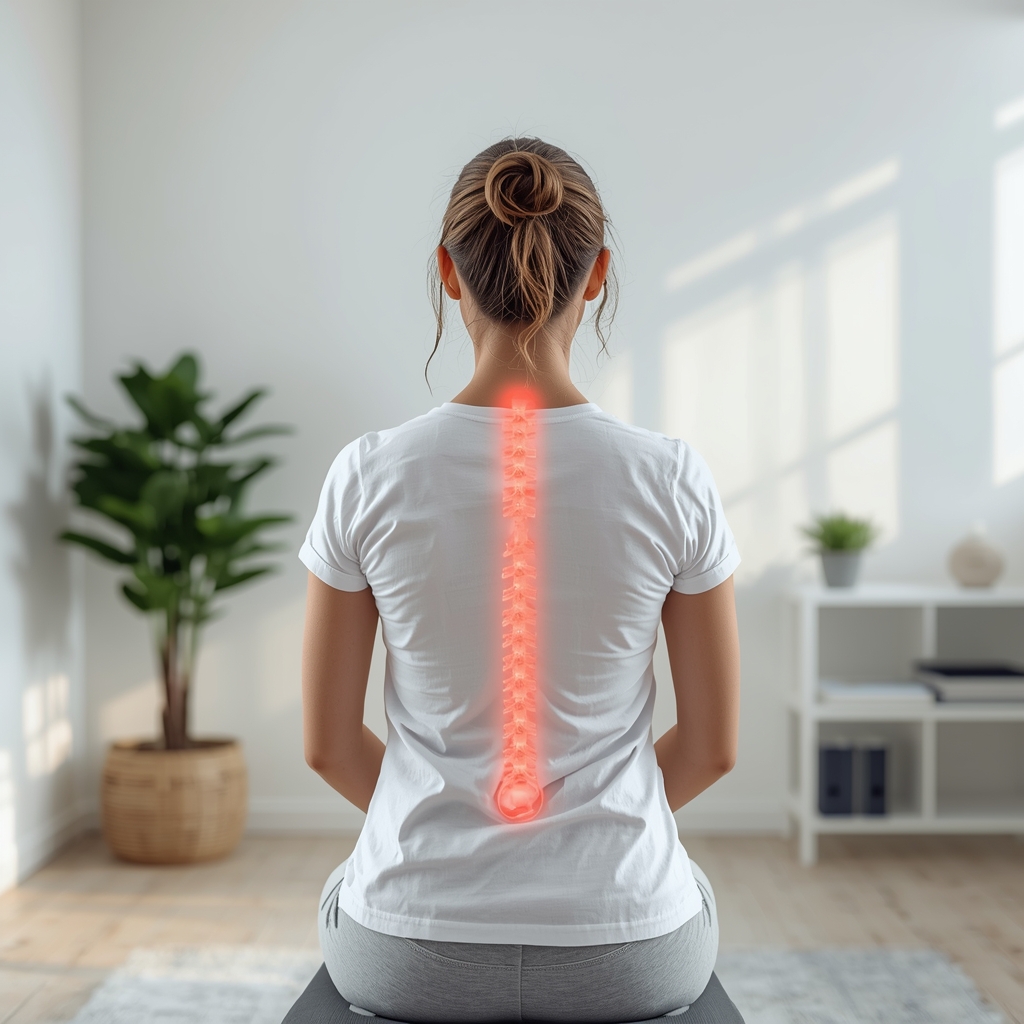
Introduction to Telehealth Postural Assessments
Telehealth has become a vital tool for chiropractors to maintain patient care, especially for postural evaluations. Posture plays a critical role in musculoskeletal health, and remote assessments allow practitioners to monitor and address issues without in-person visits. However, optimizing these consultations requires specific strategies. Chiropractors must adapt traditional techniques to virtual settings, ensuring accuracy and patient engagement. This approach not only expands access to care but also supports ongoing posture correction efforts. By leveraging technology and clear communication, chiropractors can deliver effective postural assessments remotely, helping patients maintain alignment and prevent related health issues.
Pre-Consultation Preparation
Successful telehealth postural assessments begin with thorough preparation. Chiropractors should guide patients on setting up a well-lit, quiet space for the session. Clear instructions on proper camera positioning and clothing (e.g., wearing form-fitting attire) help ensure visibility of postural deviations. Providing a brief checklist of common posture issues, such as forward head posture or rounded shoulders, empowers patients to self-identify concerns beforehand. Additionally, confirming the patient’s comfort with the chosen platform and testing technology in advance minimizes disruptions. This preparation fosters a smoother consultation, allowing chiropractors to focus on accurate evaluations rather than troubleshooting technical issues.
Utilizing Video Tools for Postural Analysis
High-quality video conferencing tools are essential for remote postural assessments. Platforms like Zoom or Skype enable real-time observation, while features such as screen sharing can help chiropractors demonstrate proper posture techniques. Some software includes built-in tools for measuring angles or tracking movement, though these should be used cautiously without specific research backing. Chiropractors can also ask patients to record short videos of themselves performing specific movements, providing a more comprehensive view of posture dynamics. By combining live interaction with recorded footage, practitioners can better identify misalignments and offer tailored recommendations, even in a virtual setting.
Interactive Techniques for Remote Evaluation
Engaging patients during telehealth consultations enhances the accuracy of postural assessments. Chiropractors can guide patients through simple movements, such as standing straight, bending forward, or rotating their torso, while observing for compensatory patterns. Asking patients to describe sensations or discomfort during these actions provides additional insights. Real-time feedback, like correcting stance or suggesting adjustments, reinforces proper posture. Tools like digital posture mirrors or augmented reality apps (if available) can further aid visualization. These interactive methods help bridge the gap between in-person and virtual care, ensuring patients understand their postural challenges and how to address them effectively.
Documentation and Follow-Up Strategies
Accurate documentation is crucial for telehealth postural assessments. Chiropractors should record key observations, such as noted misalignments or patient-reported symptoms, in electronic health records. Providing patients with a summary of findings and recommendations via secure messaging reinforces their understanding. Follow-up appointments, whether virtual or in-person, allow for tracking progress and adjusting strategies as needed. Chiropractors might also share educational resources, like posture exercises or ergonomic tips, to support long-term improvements. This structured approach ensures continuity of care, helping patients maintain postural corrections between consultations and reducing the risk of recurring issues.
Challenges and Solutions in Remote Postural Assessments
Telehealth postural assessments present unique challenges, such as limited physical contact and potential technical barriers. Patients may struggle to articulate subtle discomforts or demonstrate movements accurately, requiring chiropractors to ask detailed questions. Poor internet connectivity or low-quality video can hinder visibility, so offering alternative communication methods—like phone check-ins—can mitigate this. Additionally, some patients may lack awareness of proper posture, necessitating educational support. By remaining adaptable, using clear instructions, and prioritizing patient comfort, chiropractors can overcome these obstacles. Addressing these challenges proactively ensures that remote postural assessments remain effective, empowering patients to achieve better alignment and overall wellness.











