
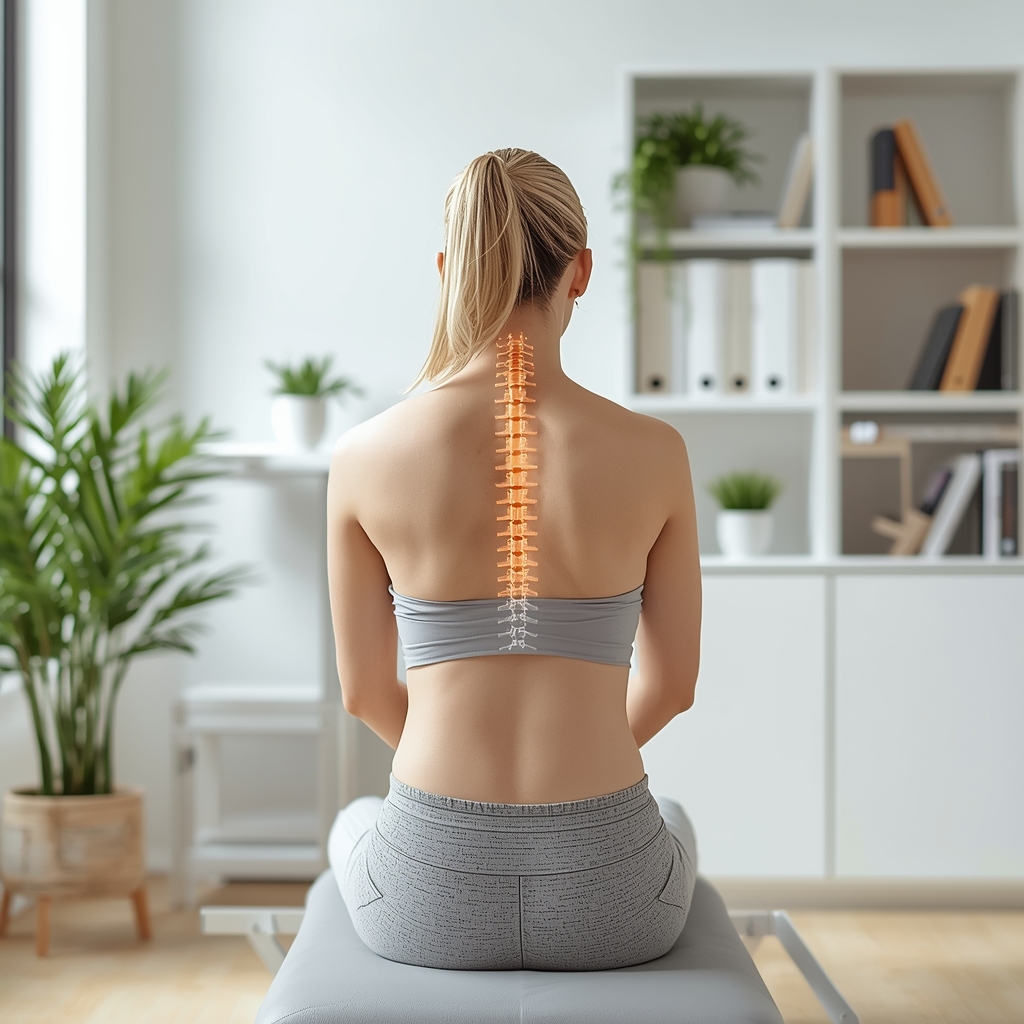
The Role of Posture in Chiropractic Care
Posture plays a critical role in spinal health, as misalignments can lead to pain, reduced mobility, and chronic issues. Chiropractors often assess posture to identify imbalances that may affect the musculoskeletal system. During telehealth visits, visual evaluation becomes essential, relying on patients’ ability to demonstrate their stance and movement. While in-person exams offer tactile feedback, remote assessments require creative approaches to observe alignment, such as asking patients to stand against a wall or use mirrors. This method helps detect common postural deviations like forward head posture or excessive lumbar curvature. Understanding these patterns allows chiropractors to develop tailored strategies for improvement, even without physical contact.
Essential Tools for Remote Postural Assessments
Remote postural assessments depend on technology and patient cooperation. Video conferencing platforms with high-resolution cameras enable chiropractors to observe patients’ positioning and movement in real time. Some practitioners use 3D body scanning software, which can generate digital models to highlight asymmetries. Patients may also be guided to use smartphone apps that analyze posture through camera input, though these tools vary in accuracy. Additionally, simple tools like measuring tapes or rulers can help quantify distances between body landmarks. While these methods lack the precision of in-person exams, they provide valuable insights when used consistently. Chiropractors should prioritize clear communication, ensuring patients understand how to position themselves for optimal visibility and accuracy.
Techniques for Effective Remote Evaluation
Chiropractors can enhance remote postural assessments by using structured evaluation techniques. Asking patients to perform specific movements, such as bending forward or standing on one leg, reveals functional imbalances. Observing how patients sit, stand, and transition between positions helps identify compensatory patterns. Some practitioners use standardized questionnaires to gather subjective data about pain, fatigue, or discomfort. Additionally, guided self-assessments—like asking patients to describe their perceived posture—can supplement visual observations. Clear instructions and repeated checks during the session improve reliability. These techniques, while not a substitute for physical exams, offer a practical way to monitor postural trends and inform follow-up care plans.
Challenges and Limitations of Remote Assessments
Remote postural assessments face inherent limitations. Poor lighting, camera angles, or unstable internet connections can obscure critical details. Patients may also struggle to accurately represent their posture due to lack of guidance. Without physical contact, chiropractors cannot detect subtle muscle tension or joint restrictions. Additionally, some conditions require hands-on testing, such as range-of-motion evaluations or palpation. These challenges highlight the importance of setting realistic expectations. Patients should be encouraged to schedule in-person visits for comprehensive evaluations. Chiropractors can mitigate risks by documenting findings thoroughly and advising follow-ups when needed, ensuring care remains safe and effective.
Integrating Remote Assessments with In-Person Care
Remote postural assessments work best when combined with in-person visits. They can track progress between appointments, helping chiropractors adjust treatment plans. For example, a patient might use a video call to show improvements after a series of adjustments. This hybrid approach allows for continuous monitoring without frequent office visits. Chiropractors may also use remote sessions to reinforce home exercises or ergonomic advice. However, critical decisions—like diagnosing spinal misalignments—should still occur during physical exams. By blending both methods, practitioners provide convenient, patient-centered care while maintaining clinical rigor. Clear communication about the scope of remote assessments ensures patients understand their role in the overall treatment process.
Conclusion and Next Steps
Remote postural assessments offer a practical way to support chiropractic care, especially in telehealth settings. By leveraging technology, structured techniques, and patient collaboration, chiropractors can gather meaningful insights into posture and alignment. However, these methods should complement—not replace—traditional in-person evaluations. Patients are encouraged to discuss their specific needs with a qualified provider to determine the best approach. As technology evolves, new tools may enhance remote diagnostics, but the foundation of care remains the chiropractor’s expertise. Staying informed about advancements and maintaining open dialogue with patients will ensure effective, safe postural assessments in the digital age.














