
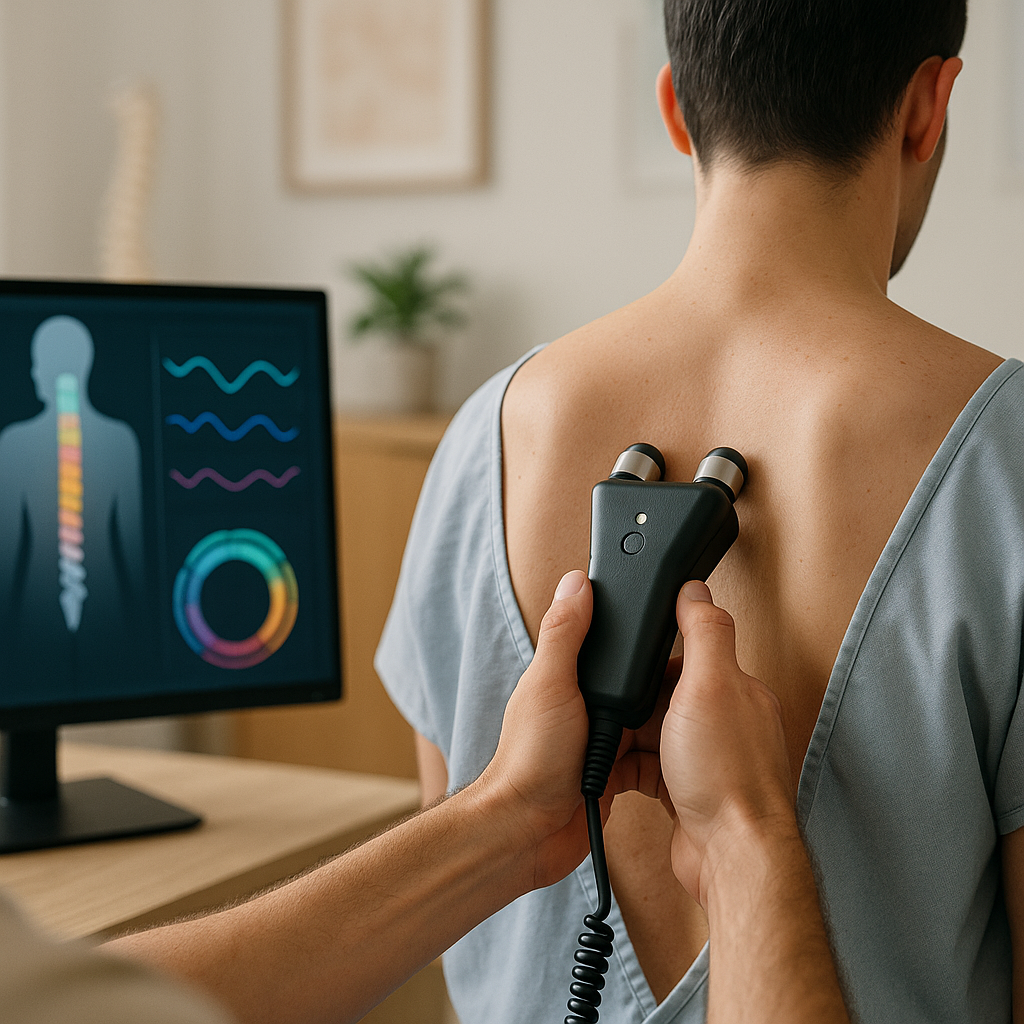
Understanding the Insight Subluxation Station
In the evolving landscape of chiropractic care, technology plays an increasingly vital role in helping practitioners deliver precise, evidence-based treatment. One of the most significant advancements in this field is the Insight Subluxation Station — a sophisticated diagnostic tool that allows chiropractors to objectively measure and assess the neurological impact of spinal subluxations. Rather than relying solely on manual examination or patient-reported symptoms, this system provides measurable, reproducible data that guides clinical decision-making and helps patients better understand their own health.
What Is the Insight Subluxation Station?
The Insight Subluxation Station is a comprehensive subluxation detection system developed by Chiropractic Leadership Alliance (CLA). It is designed to evaluate the functional status of the spine and nervous system through a series of non-invasive, painless neurological scans. The system integrates multiple technologies to capture a detailed picture of how well the nervous system is functioning — something that traditional X-rays or physical examinations simply cannot accomplish on their own.
At its core, the Insight Subluxation Station operates on a foundational principle of chiropractic philosophy: that spinal subluxations — misalignments of the vertebrae — can interfere with the normal function of the nervous system, leading to a wide range of health concerns. By objectively documenting these interferences, chiropractors can develop more targeted and effective treatment plans.
The Technology Behind CLA Insight
CLA Insight technology incorporates several distinct scanning modules, each measuring a different aspect of neurological and spinal function. Together, these tools create a thorough and scientifically grounded assessment of a patient’s condition.
Surface Electromyography (sEMG)
Surface electromyography measures the electrical activity in the muscles that support and surround the spine. When a subluxation is present, the muscles in the affected region often respond with abnormal patterns of tension or weakness. The sEMG scan detects these imbalances and displays them in a colour-coded graph, making it easy for both the chiropractor and the patient to visualise areas of concern. This component is particularly useful in identifying postural stress and chronic muscle imbalances that may not yet be causing noticeable pain.
Thermal Scanning
The thermal scanner measures temperature differences along either side of the spine. The autonomic nervous system regulates blood flow and temperature in the body, and when this system is disrupted by a subluxation, uneven temperature patterns often emerge. By identifying these asymmetries, the Insight subluxation scanner provides chiropractors with a reliable indicator of autonomic nervous system dysfunction — a dimension of health that is rarely assessed through conventional diagnostic methods.
Heart Rate Variability (HRV)
Heart rate variability testing measures the variation in time intervals between heartbeats, which serves as a direct indicator of the adaptability and resilience of the nervous system. A healthy nervous system demonstrates a high degree of variability, reflecting its ability to respond effectively to internal and external stressors. Low HRV is associated with a range of chronic health conditions and elevated stress levels. By incorporating HRV into the overall assessment, the Insight Subluxation Station offers a broader view of the patient’s neurological health and overall vitality.
Inclinometry
Inclinometry assesses posture and range of motion by measuring spinal alignment and movement patterns. This component of the system helps chiropractors identify postural distortions that may be contributing to subluxation-related dysfunction. Poor posture is often both a cause and a consequence of spinal misalignment, and tracking changes in posture over the course of care allows practitioners to objectively monitor progress.
Why Is the Insight Subluxation Station Important?
The significance of this technology cannot be overstated. For decades, one of the greatest challenges facing chiropractic care has been the perceived lack of objective measurement tools to support clinical findings. The Insight Subluxation Station addresses this gap directly by providing data-driven insights that are both clinically meaningful and easy for patients to interpret.
- Objective Documentation: The system generates reproducible, quantifiable data that can be tracked over time, providing clear evidence of neurological changes throughout a patient’s care programme.
- Patient Education: Visual reports make it easier for patients to understand the nature and impact of their subluxations, improving engagement and compliance with recommended care plans.
- Early Detection: The chiropractic neurological scan can identify areas of dysfunction before they manifest as pain or obvious symptoms, supporting a proactive approach to health and wellbeing.
- Treatment Precision: By pinpointing the exact location and nature of nervous system interference, the Insight Subluxation Station allows chiropractors to target their adjustments with greater accuracy and effectiveness.
- Progress Monitoring: Repeat scans at regular intervals allow both the chiropractor and the patient to see measurable improvements — or identify areas that require continued attention — as care progresses.
Who Can Benefit from the Insight Subluxation Station?
The Insight Subluxation Station is suitable for patients of all ages and health backgrounds. Because its scanning components are entirely non-invasive and require no radiation exposure, the system is safe for infants, children, pregnant women, and elderly individuals alike. This broad applicability makes it a valuable tool across a wide spectrum of chiropractic practices.












