
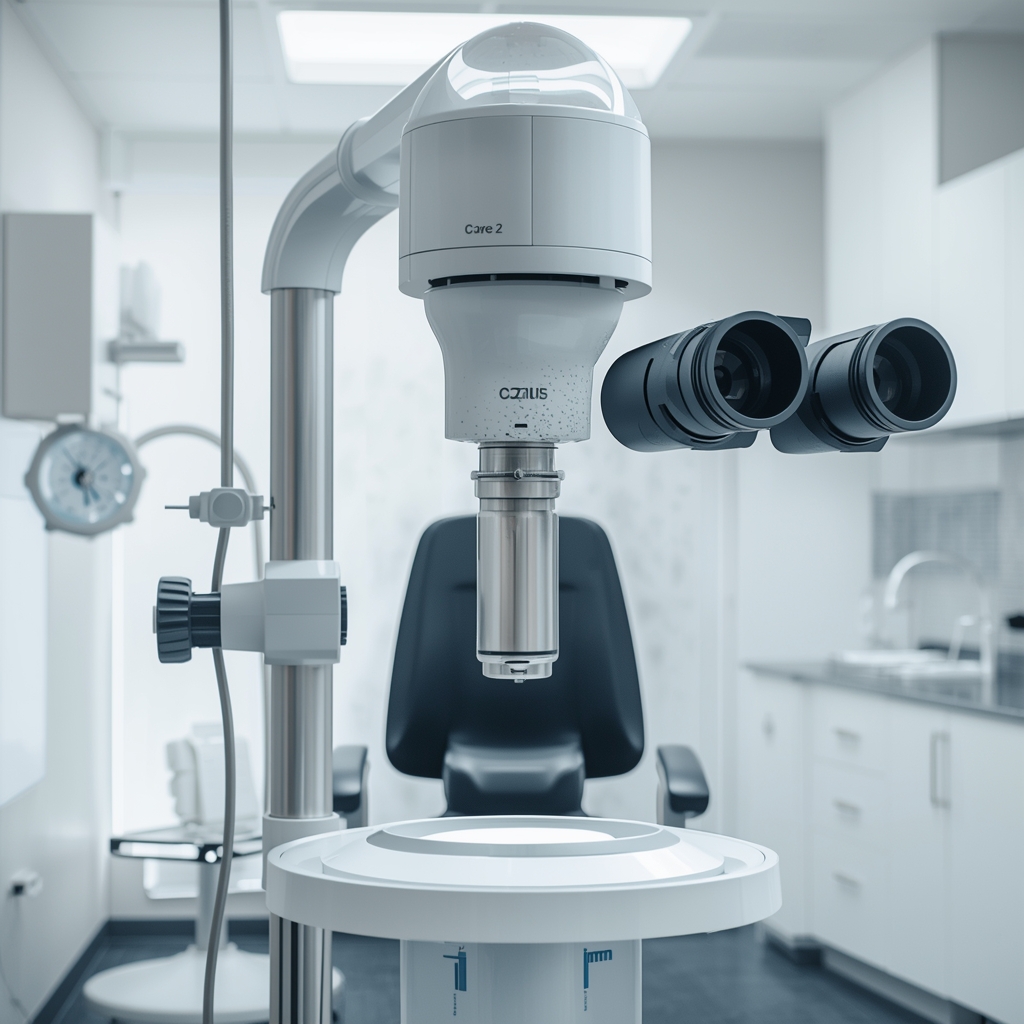
Digital Imaging and Advanced Diagnostic Tools
Modern chiropractic care increasingly relies on digital imaging technologies to enhance diagnostic accuracy. Tools like digital X-rays, MRI, and CT scans provide detailed visuals of the spine and surrounding structures, allowing practitioners to identify issues such as misalignments, disc herniations, or soft tissue damage with greater precision. These technologies reduce the need for invasive procedures and enable earlier detection of conditions. For example, digital X-rays offer real-time imaging with lower radiation exposure compared to traditional methods. By integrating these tools, chiropractors can create more targeted treatment plans, improving outcomes for patients with complex spinal concerns.
Computerized Spinal Analysis Systems
Computerized spinal analysis systems use sensors and software to measure spinal alignment, muscle tension, and joint mobility. Devices like the Surface EMG (electromyography) and thermography systems assess nerve function and inflammation patterns, providing objective data to guide adjustments. These tools help identify subluxations (partial dislocations) that may not be detectable through manual examination alone. By quantifying biomechanical imbalances, chiropractors can track progress over time and adjust therapies accordingly. This data-driven approach enhances diagnostic consistency and ensures treatments address root causes rather than just symptoms, leading to more effective long-term care.
Laser Therapy and Soft Tissue Treatments
Low-level laser therapy (LLLT) and other advanced soft tissue treatments are revolutionizing chiropractic care by reducing inflammation and accelerating healing. Lasers stimulate cellular activity, promoting tissue repair and pain relief without the need for medication or surgery. Similarly, tools like ultrasound therapy and shockwave therapy target musculoskeletal issues, improving blood flow and breaking down scar tissue. These technologies complement traditional adjustments by addressing pain sources more comprehensively. When used alongside manual techniques, they enhance treatment efficacy, particularly for conditions like tendonitis, arthritis, or post-injury recovery, offering patients non-invasive options for relief.
Wearable Technology and Real-Time Monitoring
Wearable devices, such as activity trackers and posture sensors, are becoming valuable tools in chiropractic practice. These devices monitor movement patterns, muscle activity, and spinal alignment throughout the day, providing insights into how patients interact with their environment. For instance, smart sensors can detect poor posture or repetitive strain, enabling chiropractors to tailor ergonomic recommendations. Real-time data allows for proactive interventions, such as adjusting treatment plans or suggesting lifestyle modifications. By leveraging wearable tech, practitioners can foster patient engagement and ensure care extends beyond the clinic, supporting continuous improvement in spinal health and functional mobility.
Artificial Intelligence in Chiropractic Diagnostics
Artificial intelligence (AI) is beginning to play a role in chiropractic diagnostics by analyzing vast datasets to identify patterns and predict outcomes. AI-powered software can interpret imaging scans, detect anomalies, and suggest potential treatment pathways, aiding practitioners in decision-making. For example, machine learning algorithms may flag subtle spinal irregularities that human eyes might miss. While AI is not a replacement for clinical expertise, it enhances diagnostic accuracy by reducing human error and streamlining data analysis. As this technology evolves, it holds promise for personalized care, enabling chiropractors to deliver more precise and efficient treatments based on predictive insights.
Integration of Patient Data for Personalized Care
Advanced chiropractic tools now allow for the integration of patient data from multiple sources, creating a holistic view of individual health. Electronic health records (EHRs), combined with data from diagnostic devices and wearable tech, enable practitioners to track progress and adjust strategies dynamically. This approach supports personalized treatment plans that consider a patient’s unique biomechanics, lifestyle, and medical history. For example, a chiropractor might use EHRs to correlate imaging findings with a patient’s activity levels, refining adjustments for optimal results. By leveraging integrated data, chiropractors can ensure treatments are both evidence-based and tailored, improving patient satisfaction and long-term outcomes.













