
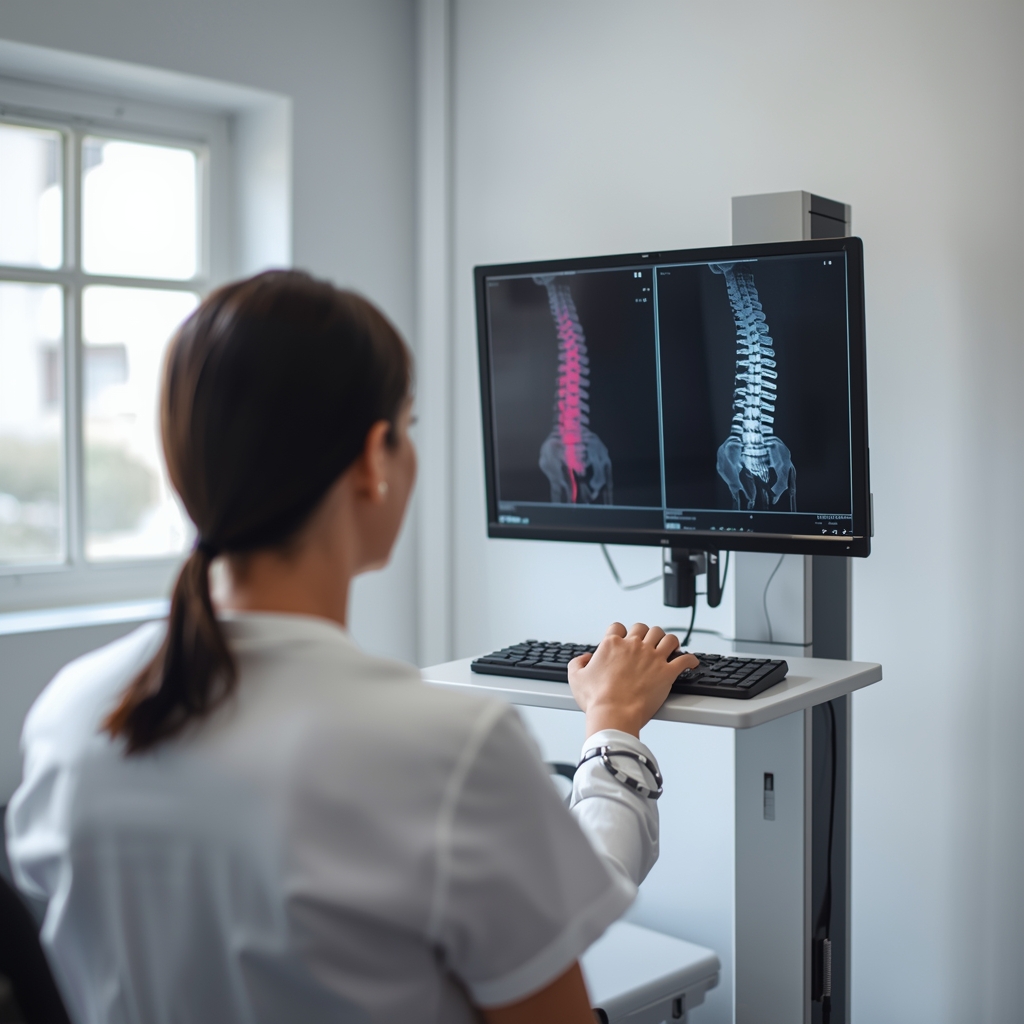
The Evolution of Diagnostic Tools in Chiropractic Care
Chiropractic diagnostics have advanced significantly with the integration of modern tools like digital X-ray systems. These technologies offer a more precise way to assess spinal alignment, joint function, and musculoskeletal conditions compared to older methods. Traditional approaches often relied on manual palpation and basic imaging, which could lack the detail needed for accurate diagnoses. Digital systems provide clearer, more immediate results, enabling chiropractors to identify issues that might otherwise go unnoticed. This evolution reflects broader trends in healthcare toward technology-driven precision, ensuring patients receive more targeted care.
Traditional Methods: Limitations and Challenges
Historically, chiropractors used conventional X-ray machines, which required film development and had limited resolution. These methods often resulted in delayed diagnoses and less detailed images, making it harder to detect subtle abnormalities. Manual techniques like palpation, while valuable, depend on the practitioner’s experience and can miss underlying issues. Additionally, traditional X-rays involved higher radiation exposure and longer processing times. These limitations highlighted the need for more efficient, accurate tools that could enhance both patient safety and clinical outcomes. As a result, the shift toward digital solutions became a priority in modern chiropractic practice.
Advantages of Digital X-ray Systems
Digital X-ray systems offer several key benefits over traditional methods. They produce high-resolution images instantly, allowing chiropractors to analyze structures in real time. This speed reduces patient wait times and enables immediate adjustments to diagnostic plans. Digital imaging also minimizes radiation exposure, making it safer for repeated use. Furthermore, these systems allow for easy storage, sharing, and comparison of images across visits, supporting long-term patient monitoring. The ability to manipulate and enhance images digitally helps identify complex issues like spinal misalignments or degenerative changes with greater accuracy. These advantages make digital X-rays a cornerstone of modern chiropractic diagnostics.
Enhanced Image Quality and Analysis
Digital X-ray systems provide superior image clarity, enabling chiropractors to detect even minor structural irregularities. Features like adjustable contrast and magnification allow for a more detailed examination of bones, discs, and soft tissues. This level of detail is critical for diagnosing conditions such as herniated discs, spinal stenosis, or joint degeneration. Additionally, digital tools often integrate with software that can measure angles, track changes over time, and generate reports. Such capabilities reduce the risk of human error and ensure consistent, objective assessments. By offering a more comprehensive view of the spine and surrounding structures, these systems empower chiropractors to create more effective treatment strategies tailored to each patient’s needs.
Integration with Other Diagnostic Technologies
Digital X-ray systems often work in conjunction with other advanced tools, such as MRI or ultrasound, to provide a holistic view of a patient’s condition. This integration allows chiropractors to cross-reference findings and confirm diagnoses with greater confidence. For example, digital X-rays might highlight skeletal abnormalities, while MRI scans reveal soft tissue damage. Additionally, these systems can connect to electronic health records, streamlining data access for both practitioners and patients. This interoperability enhances diagnostic accuracy and facilitates better communication between healthcare providers. By leveraging multiple technologies, chiropractors can address complex cases more effectively and deliver care that aligns with modern medical standards.
Considerations for Modern Chiropractic Practices
While digital X-ray systems offer significant benefits, their adoption requires careful consideration. Initial costs and training may pose challenges for some practices, though long-term efficiency often offsets these expenses. Patients should also be informed about the purpose and safety of digital imaging to address any concerns. It’s important to note that no technology replaces a chiropractor’s clinical judgment—digital tools are meant to complement, not replace, hands-on evaluation. As with any medical decision, the use of advanced diagnostics should be discussed with a qualified provider to determine the best approach for individual needs. By balancing innovation with patient-centered care, chiropractors can harness these tools to improve outcomes without compromising safety or quality.












