
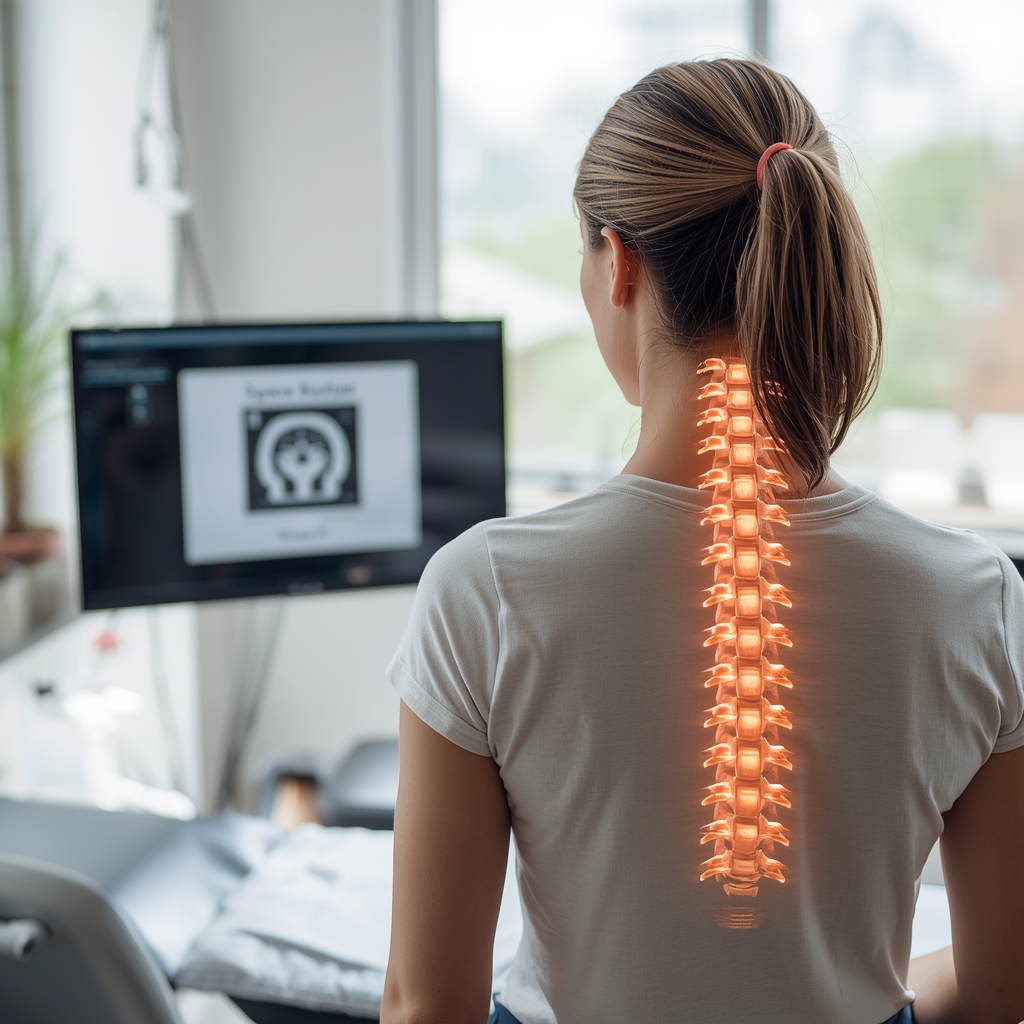
Advanced Diagnostic Imaging for Precision Spinal Assessment
Modern chiropractic care increasingly relies on advanced imaging technologies to identify complex spinal issues with greater accuracy. Digital X-rays, MRI scans, and CT scans allow practitioners to visualize bone structure, disc health, and soft tissue conditions. These tools help detect herniated discs, spinal stenosis, or misalignments that may not be apparent through manual exams alone. By providing detailed, real-time images, chiropractors can create more targeted treatment plans. This level of precision reduces the risk of misdiagnosis and ensures interventions address the root cause of a patient’s symptoms. As imaging technology evolves, it continues to play a vital role in improving diagnostic clarity and patient outcomes.
Computerized Spinal Analysis Systems
Computerized systems now enhance traditional chiropractic evaluations by incorporating sensors and software to measure spinal alignment, posture, and nerve function. Devices like motion analysis platforms and pressure-sensitive mats provide quantitative data on movement patterns and structural imbalances. These tools help identify subtle dysfunctions that might be missed during physical exams. For example, computerized torque testing can assess joint mobility, while thermal scanning detects temperature variations linked to nerve irritation. By integrating this data, chiropractors can track progress over time and adjust treatments with greater confidence. Such systems also support evidence-based decision-making, ensuring care is both precise and patient-specific.
Instrument-Assisted Soft Tissue Therapy
Tools like the Graston Technique instruments and other specialized devices have revolutionized the treatment of soft tissue injuries affecting the spine. These tools are designed to detect and break down scar tissue, adhesions, and muscle tightness that contribute to pain and restricted movement. By combining manual palpation with instrument-assisted techniques, chiropractors can address musculoskeletal imbalances more effectively. This approach promotes faster healing and restores normal function to affected areas. It is particularly useful for conditions like facet joint syndrome or ligamentous strain. As part of a comprehensive care plan, these tools enhance the precision of soft tissue interventions, reducing recovery time and improving long-term outcomes.
Laser Therapy and Non-Invasive Treatment Devices
Low-level laser therapy (LLLT) and other non-invasive devices are gaining popularity for their ability to reduce inflammation, alleviate pain, and accelerate tissue repair. These tools use specific wavelengths of light to stimulate cellular activity, promoting healing without the need for surgery or medication. Chiropractors often use laser therapy to treat conditions like disc herniations, nerve impingements, or chronic back pain. The precision of these devices allows for targeted treatment of affected areas, minimizing damage to surrounding tissues. Additionally, laser therapy can be combined with other modalities, such as spinal adjustments, to enhance overall effectiveness. As research continues, these technologies are becoming essential components of modern, patient-centered chiropractic care.
Spinal Decompression Systems for Disc-Related Conditions
Spinal decompression therapy uses specialized tables or devices to gently stretch the spine, relieving pressure on discs and nerves. This non-surgical approach is particularly effective for conditions like herniated discs, sciatica, or degenerative disc disease. By creating negative pressure within the discs, decompression therapy encourages the retraction of bulging material and promotes nutrient flow to damaged tissues. Many systems incorporate computerized controls to customize the force and duration of adjustments, ensuring patient comfort and safety. This method is often used alongside other treatments, such as manual adjustments or rehabilitation exercises. Its ability to address the underlying causes of spinal pain makes it a valuable tool for managing complex musculoskeletal conditions.
Integration of AI and Data Analytics in Chiropractic Tools
Artificial intelligence (AI) and data analytics are beginning to transform chiropractic diagnostics and treatment planning. These technologies analyze vast amounts of patient data, including imaging results, movement patterns, and symptom histories, to identify trends and predict outcomes. AI-driven tools can assist in detecting subtle abnormalities or recommending personalized care strategies. For example, machine learning algorithms might help prioritize treatment areas based on a patient’s unique biomechanics. While still emerging, these innovations hold promise for improving diagnostic accuracy and streamlining clinical workflows. As AI integration grows, it will likely enhance the precision of chiropractic interventions, ensuring patients receive the most effective care tailored to their specific needs.














