
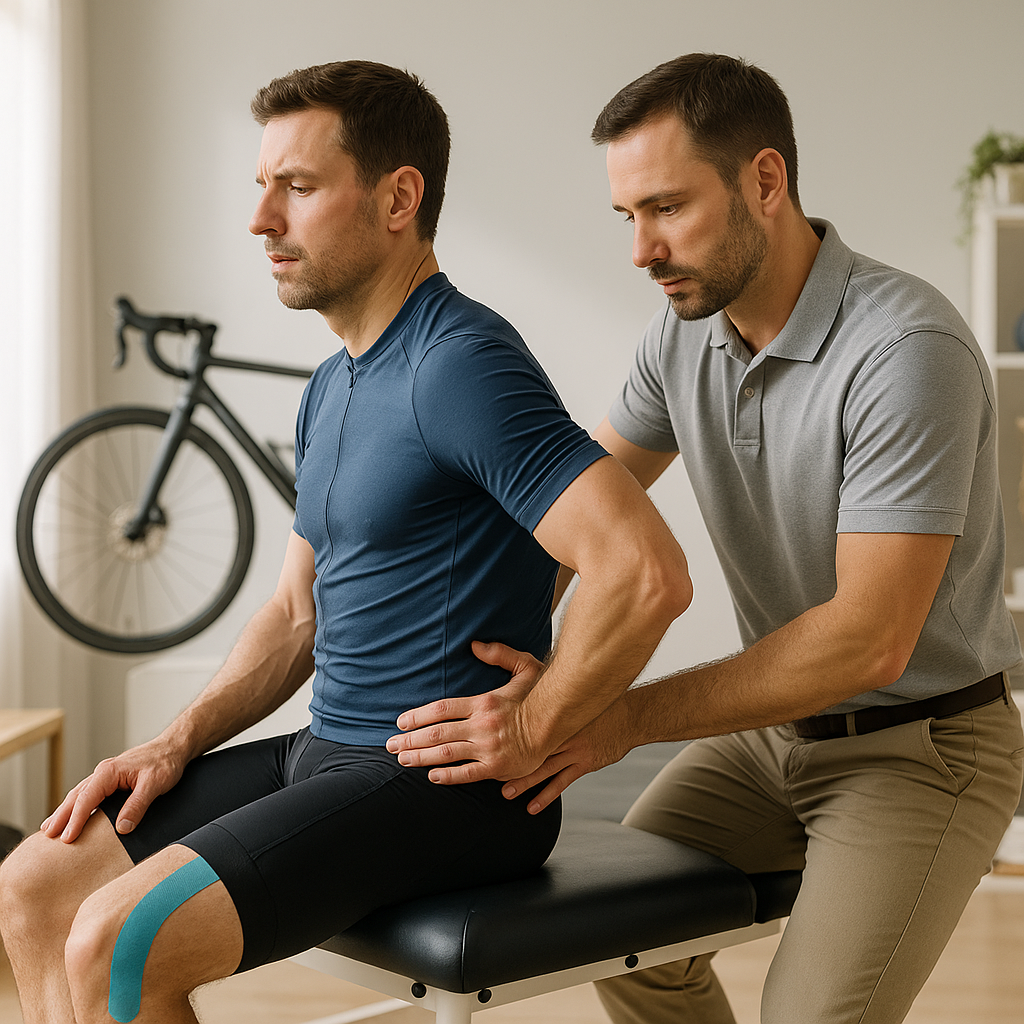
Understanding Cycling-Related Pain and Chiropractic Care
Cycling is one of the most popular forms of physical activity worldwide, offering tremendous cardiovascular benefits, low-impact exercise, and an enjoyable way to commute or explore the outdoors. However, despite its many advantages, cycling places significant mechanical demands on the body. Repetitive motion, sustained postures, and improper bike fit can all contribute to musculoskeletal discomfort that ranges from mild soreness to chronic, debilitating pain.
For many cyclists, a cycling pain chiropractor has become an essential part of their health and performance strategy. Chiropractic care offers a drug-free, non-invasive approach to addressing the root causes of cycling-related pain, helping riders return to the saddle with greater comfort and efficiency. This article explores the most common cycling-related pain conditions, how chiropractic treatment works, and why it may be the solution you have been searching for.
Common Types of Pain Experienced by Cyclists
Before understanding how chiropractic care can help, it is important to recognize the most prevalent forms of pain that affect cyclists at every level of experience:
- Lower back pain: Perhaps the most frequently reported complaint among cyclists, bike riding back pain often results from prolonged spinal flexion, weak core muscles, or an improperly positioned saddle and handlebar setup.
- Neck and upper back pain: Sustained forward head posture while riding places considerable strain on the cervical spine and surrounding musculature.
- Knee pain: Repetitive pedaling motions can lead to patellofemoral syndrome, iliotibial band syndrome, or patellar tendinitis when biomechanics are not properly aligned.
- Hip and piriformis pain: Tightness and irritation in the hip flexors and piriformis muscle are common due to the seated, forward-flexed cycling position.
- Shoulder and wrist pain: Weight-bearing through the upper extremities during long rides can cause joint stress and nerve compression.
- Sciatica: Nerve irritation radiating from the lower back down through the legs is a significant concern for riders who spend extended hours on the bike.
Why Cyclists Are Particularly Vulnerable to Spinal Stress
The cycling position, by its very nature, is biomechanically challenging for the spine. When a rider assumes the typical hunched-forward posture on a road or mountain bike, the lumbar spine is placed into a state of sustained flexion. Over time, this repeated mechanical loading can lead to disc compression, joint inflammation, and muscular imbalances that affect overall spinal health.
Effective cyclist spine care begins with understanding that the spine is not designed to remain in a flexed position for hours at a time. The intervertebral discs, facet joints, and surrounding ligaments all experience increased stress under these conditions. Without proper recovery strategies and professional treatment, cumulative damage can lead to chronic conditions that significantly impact a rider’s quality of life both on and off the bike.
Additionally, the repetitive, asymmetrical nature of pedaling can cause muscular imbalances between the left and right sides of the body. These imbalances, if left unaddressed, often result in compensatory movement patterns that place uneven stress on the pelvis, sacroiliac joints, and lumbar spine.
How Chiropractic Care Addresses Cycling Pain
Chiropractic treatment is built on the principle that proper spinal alignment and nervous system function are foundational to overall health and physical performance. A qualified chiropractor who works with cyclists employs a range of evidence-based techniques tailored to the specific demands of the sport. The following treatment approaches are commonly utilized:
1. Spinal Manipulation and Adjustment
Spinal manipulation, often referred to as a chiropractic adjustment, is the cornerstone of chiropractic treatment. This technique involves applying controlled, precise force to spinal joints that are restricted in their movement or misaligned. For cyclists experiencing bike riding back pain, spinal adjustments can restore normal joint motion, reduce nerve irritation, and alleviate muscular tension throughout the lumbar, thoracic, and cervical regions of the spine.
Research has consistently supported the effectiveness of spinal manipulation for acute and chronic lower back pain, making it a particularly valuable tool for cyclists who place ongoing demands on their lumbar spine.
2. Soft Tissue Therapy
Beyond spinal adjustments, chiropractors frequently incorporate soft tissue therapies to address the muscular and fascial components of cycling-related pain. Techniques such as myofascial release, Active Release Technique (ART), and trigger point therapy help to:
- Break down adhesions and scar tissue in overused muscle groups
- Restore normal muscle length and flexibility
- Reduce tension in the hip flexors, hamstrings, and thoracolumbar fascia
- Improve blood flow and tissue healing in affected areas
These therapies are especially beneficial for cyclists who experience tightness and restricted movement in the posterior chain, which is heavily engaged during the pedaling motion.
3. Postural Assessment and Cycling Posture Correction
One of the most significant contributions a chiropractor can make to a cyclist’s long-term health is a comprehensive postural assessment. Cycling posture chiropractic care involves evaluating how a rider holds their body both on and off the bike, identifying areas of dysfunction that may be contributing to pain and injury.
Poor cycling posture is often the result of a combination of factors, including inadequate core strength, hip flexor tightness, thoracic kyphosis, and improper bike fit. A chiropractor can work in conjunction with a professional bike fitter to ensure that the rider’s equipment complements their body mechanics rather than working against them.













