
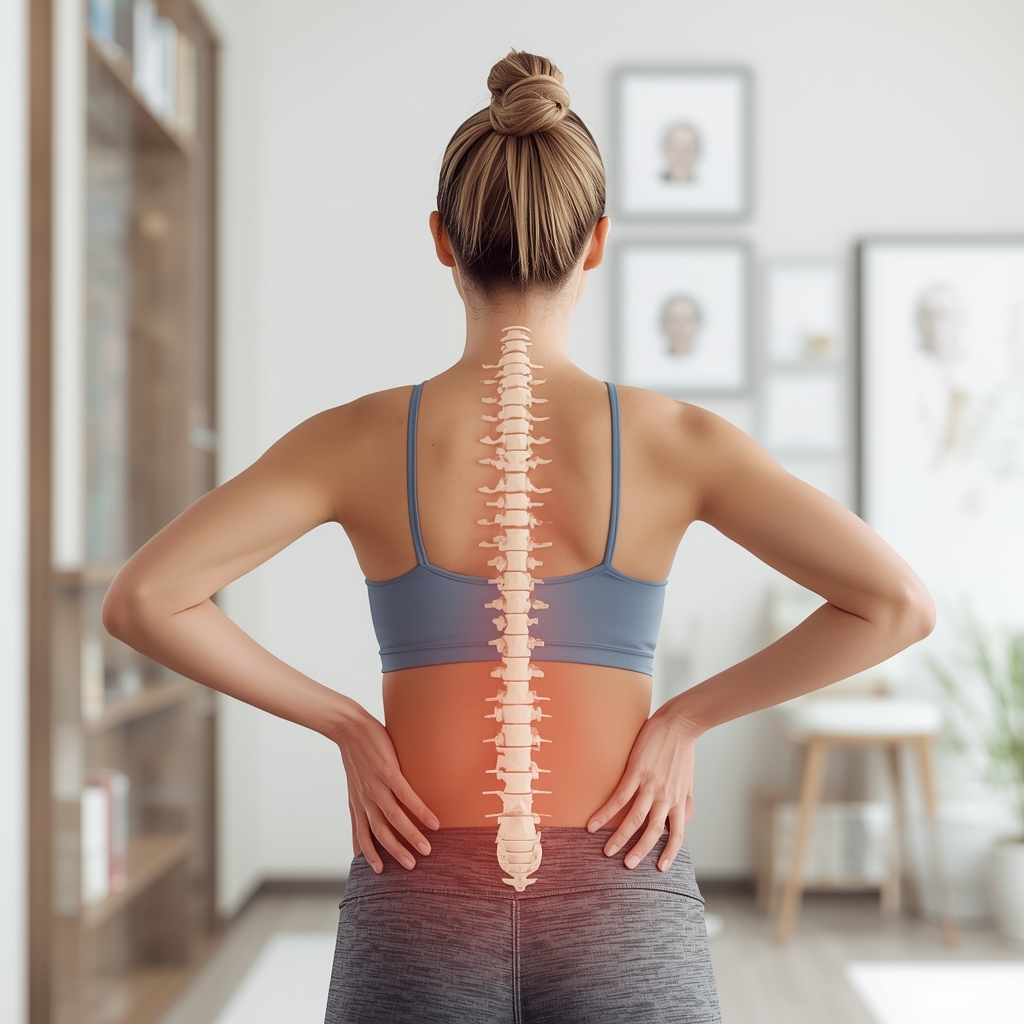
Understanding Adult Scoliosis and Its Impact on Pain
Scoliosis in adults refers to an abnormal sideways curvature of the spine, often leading to discomfort, reduced mobility, and postural imbalances. Unlike adolescent scoliosis, which is typically detected during growth spurts, adult scoliosis may develop due to degenerative changes, untreated childhood cases, or spinal injuries. The condition can cause chronic pain, nerve compression, and muscle strain, affecting daily activities. While severe cases may require medical intervention, many adults seek chiropractic care to manage symptoms and improve quality of life. Chiropractors focus on non-invasive, holistic approaches to alleviate pain and restore function, making it a popular choice for those looking to avoid surgery or medication. Understanding the spine’s structure and the role of chiropractic techniques is essential for informed decision-making.
Spinal Manipulation and Adjustments
Spinal manipulation, a cornerstone of chiropractic care, involves precise adjustments to realign the spine and reduce pressure on nerves and muscles. For adults with scoliosis, this technique can help alleviate pain by improving spinal mobility and correcting misalignments. Chiropractors use gentle, controlled forces to address areas of restriction, which may ease discomfort caused by uneven weight distribution. While not a cure for scoliosis, adjustments can enhance posture and reduce strain on surrounding tissues. It is crucial to note that spinal manipulation should be performed by a licensed professional, as improper techniques may worsen symptoms. Patients often report improved comfort and flexibility after regular sessions, though results vary based on individual conditions and treatment plans.
Soft Tissue Therapy and Myofascial Release
Soft tissue therapy targets muscles, ligaments, and fascia to relieve tension and improve flexibility. For adults with scoliosis, muscle imbalances around the spine can exacerbate pain and limit movement. Techniques like myofascial release and trigger point therapy help loosen tight tissues, reducing discomfort and promoting better posture. Chiropractors may use tools or manual pressure to address specific areas of strain, such as the paraspinal muscles or shoulders. This approach complements spinal adjustments by addressing secondary issues caused by the curvature. While not a standalone solution, soft tissue therapy can enhance overall treatment outcomes. Patients should discuss their symptoms with a chiropractor to determine if this method aligns with their care plan.
Corrective Exercises and Posture Training
Corrective exercises are designed to strengthen weak muscles, stretch tight ones, and improve spinal alignment. For adults with scoliosis, these exercises can enhance stability and reduce pain by addressing postural imbalances. Chiropractors often recommend tailored routines that focus on core strength, flexibility, and proper movement patterns. Activities like yoga, Pilates, or specialized stretching may be integrated into treatment plans. By reinforcing muscular support, these exercises can ease the burden on the spine and prevent further complications. However, it is essential to work with a qualified provider to ensure exercises are safe and appropriate for individual conditions. Consistency and guidance are key to achieving long-term benefits.
Decompression Therapy and Nerve Relief
Spinal decompression therapy involves gently stretching the spine to relieve pressure on nerves and discs. This technique may benefit adults with scoliosis who experience radiating pain, numbness, or tingling due to nerve compression. By creating space between vertebrae, decompression can reduce inflammation and improve nerve function. Some chiropractors use specialized tables or devices to perform this therapy, which is often combined with other treatments. While not suitable for all cases, decompression may offer relief for those with degenerative disc issues or herniated discs. Patients should consult their chiropractor to determine if this method is appropriate for their specific condition and goals.
Collaborative Care and Individualized Treatment Plans
Managing scoliosis-related pain often requires a personalized approach, as each patient’s condition and needs differ. Chiropractors may combine techniques like adjustments, soft tissue work, and exercise recommendations to create a comprehensive plan. Open communication with healthcare providers ensures that treatments align with overall health goals. Adults considering chiropractic care should seek licensed professionals with experience in scoliosis management. Regular assessments help track progress and adjust strategies as needed. While chiropractic care can provide significant relief, it is not a substitute for medical advice. Patients should always discuss their symptoms and treatment options with qualified practitioners to make informed decisions about their care.














