
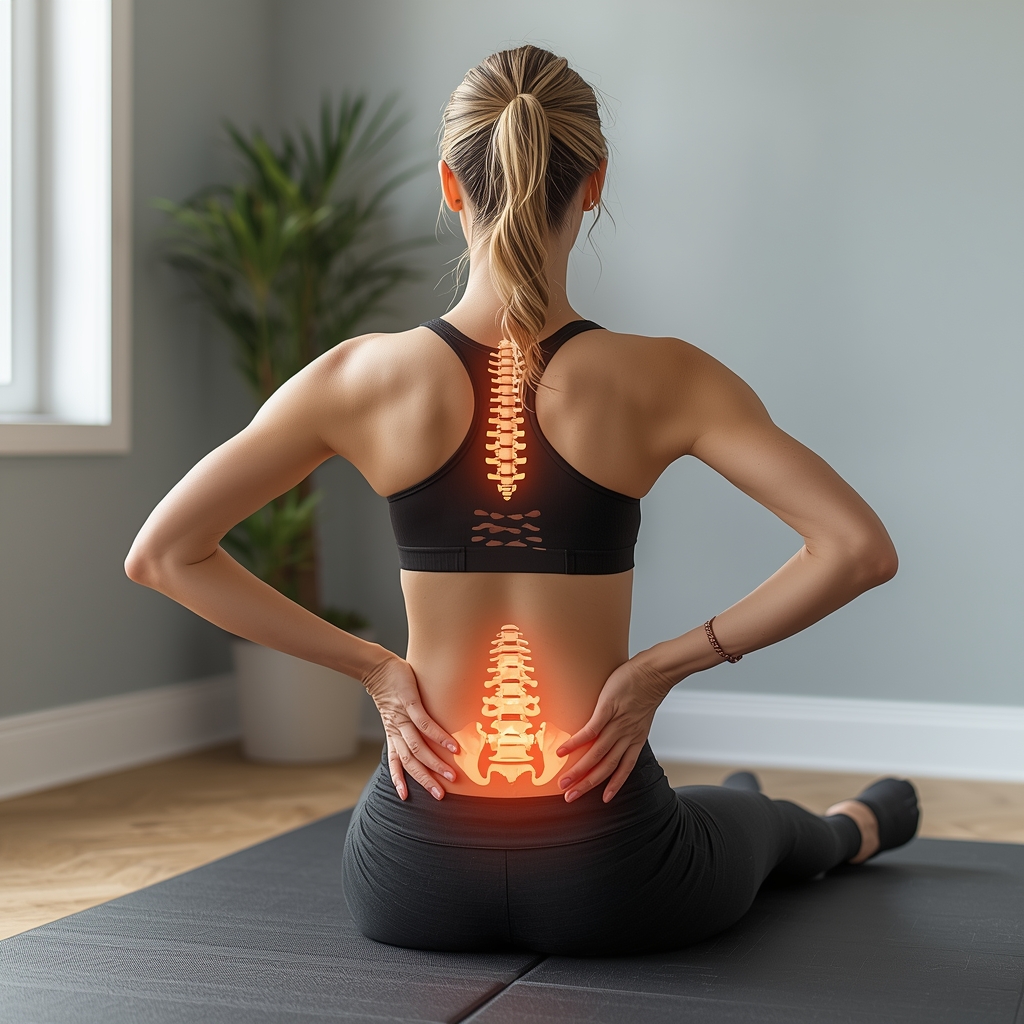
Understanding Dynamic Postural Training
Dynamic postural training involves exercises designed to improve balance, stability, and alignment through controlled movements. For adults with scoliosis and degenerative disc disease, this approach can help address postural imbalances that exacerbate spinal stress. By engaging core muscles and promoting neuromuscular control, these exercises aim to reduce compensatory patterns that may worsen curvature or disc degeneration. Chiropractors often use dynamic postural training as part of a broader strategy to enhance spinal function, emphasizing gradual progression to avoid overexertion. The goal is to create a foundation for better movement mechanics, which can complement other chiropractic interventions like adjustments or soft tissue work.
Benefits for Scoliosis and Degenerative Disc Disease
For individuals with scoliosis, dynamic postural training may help mitigate asymmetrical loading on the spine, potentially slowing progression of curvature. In degenerative disc disease, improved posture can reduce pressure on affected discs, alleviating pain and enhancing mobility. These exercises also strengthen stabilizing muscles, which support the spine during daily activities. By fostering awareness of body positioning, patients may develop habits that minimize strain on the spine over time. While not a standalone cure, this method can enhance the effectiveness of chiropractic care by addressing underlying biomechanical factors. It’s important to note that results vary, and a chiropractor can tailor the approach to individual needs and limitations.
Integration with Chiropractic Care
Chiropractors often integrate dynamic postural training into treatment plans by first assessing a patient’s current posture, range of motion, and muscle strength. This evaluation helps identify specific areas needing improvement. Exercises are then selected to target weak muscles or movement patterns contributing to spinal instability. For example, a patient with scoliosis might focus on unilateral movements to address asymmetry, while someone with degenerative disc disease may prioritize core stability. Chiropractors may also combine these exercises with spinal adjustments or soft tissue therapies to maximize outcomes. Regular reassessments ensure the program evolves with the patient’s progress, maintaining a balance between challenge and safety.
Customizing Exercises for Adult Patients
Adults with scoliosis and degenerative disc disease often have unique needs due to age-related changes and existing conditions. Chiropractors customize dynamic postural training by considering factors like pain levels, mobility restrictions, and overall health. For instance, a patient with severe disc degeneration might start with low-impact exercises, gradually increasing intensity as tolerated. Those with scoliosis may benefit from exercises that promote rotational control or side-bending movements. The focus remains on improving function without exacerbating symptoms. Personalized programs also account for lifestyle factors, such as occupation or activity level, ensuring exercises are practical for daily life. This individualized approach helps patients stay engaged and consistent with their rehabilitation efforts.
Safety and Professional Guidance
Dynamic postural training must be approached cautiously to avoid injury, especially for adults with complex spinal conditions. Chiropractors play a critical role in ensuring exercises are performed correctly, emphasizing proper form and controlled movements. They may use real-time feedback or visual aids to correct posture during exercises. Patients should avoid pushing through pain or attempting advanced techniques without supervision. Regular communication with the chiropractor allows for adjustments to the program as needed. This collaborative approach minimizes risks while maximizing benefits. It’s essential to view dynamic postural training as part of a comprehensive care plan, not a replacement for other evidence-based treatments.
Conclusion: A Holistic Approach to Spinal Health
Dynamic postural training offers a valuable tool for chiropractors managing scoliosis and degenerative disc disease in adults. By addressing postural imbalances and strengthening supportive muscles, this method can enhance spinal function and reduce discomfort. However, its effectiveness relies on careful customization and professional oversight. Patients are encouraged to work closely with their chiropractor to develop a safe, progressive program aligned with their goals. While not a cure, dynamic postural training complements other chiropractic interventions, contributing to long-term spinal health. As with any treatment, individual results may vary, and ongoing dialogue with a qualified provider is key to achieving the best outcomes.












