
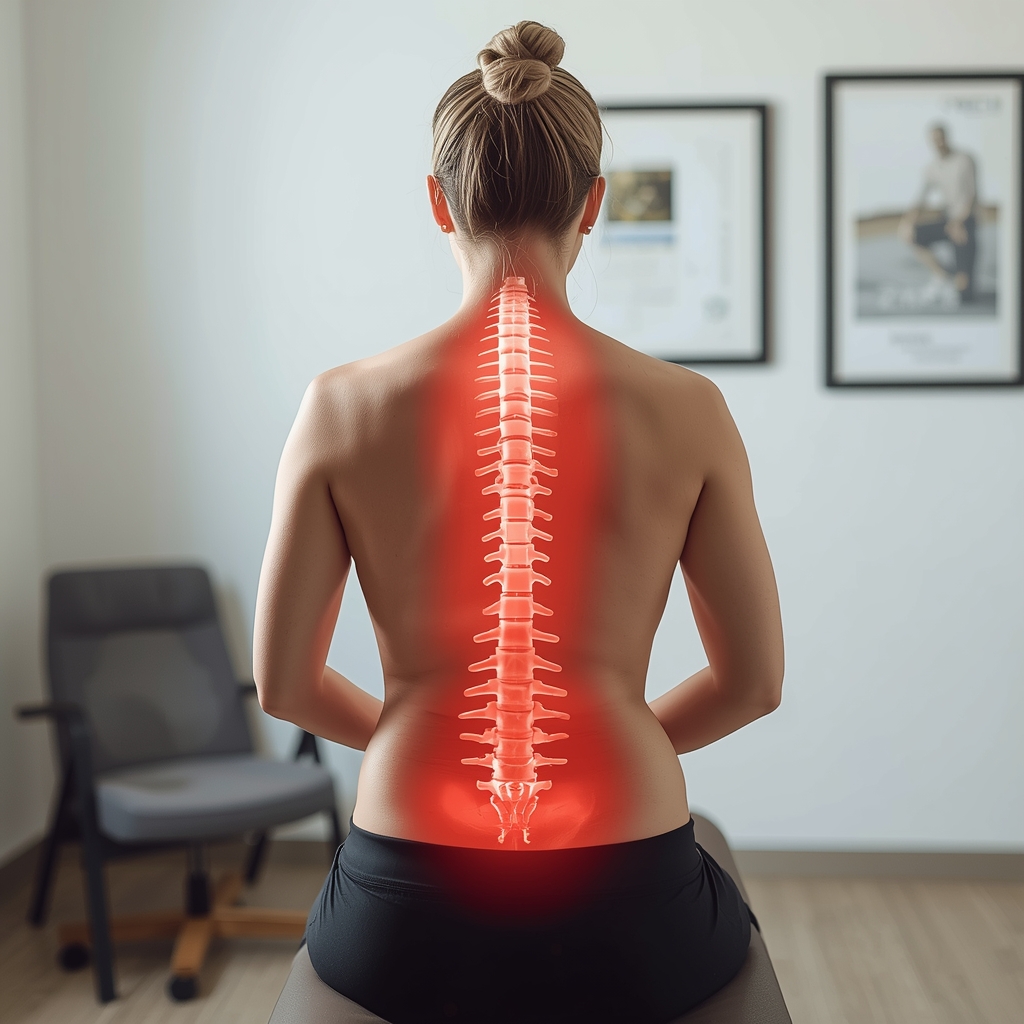
Understanding the Quadratus Lumborum and Its Role in Chronic Pain
The quadratus lumborum (QL) is a deep muscle in the lower back that stabilizes the spine and pelvis. Chronic pain from this muscle often stems from trigger points—tender knots that refer pain to other areas, such as the hips, groin, or lower back. These points can develop due to poor posture, repetitive strain, or muscular imbalances. While the QL is frequently implicated in lower back discomfort, its trigger points are sometimes overlooked compared to more commonly discussed muscles like the glutes or hamstrings. Understanding the QL’s role is crucial for targeted relief, as untreated trigger points may contribute to persistent pain or compensatory movement patterns. A chiropractor can help identify and address these issues through a combination of manual techniques and lifestyle adjustments.
Common Trigger Point Release Techniques for the QL
Standard trigger point release methods for the QL include ischemic compression, where sustained pressure is applied to the tender spot to reduce tension. This technique is often performed manually by a chiropractor or using tools like foam rollers. Dry needling, which involves inserting thin needles into the trigger point, is another approach that may help alleviate pain by stimulating the body’s natural healing response. Additionally, myofascial release therapy uses slow, sustained stretches to ease muscle tightness. While these methods are widely used, their effectiveness can vary based on the individual’s condition and the precision of application. It’s important to note that self-treatment should be approached cautiously to avoid aggravating the muscle. A qualified provider can guide patients toward the most suitable techniques for their specific needs.
Lesser-Known Trigger Points in the QL Muscle
The QL contains several trigger points that are less frequently addressed in standard therapy protocols. One such point lies near the iliac crest, often contributing to hip or groin pain. Another is located deeper along the lumbar spine, which may refer discomfort to the lower back or even the abdomen. These areas are sometimes missed because their pain patterns overlap with other conditions, such as sciatica or sacroiliac joint dysfunction. Identifying these points requires a thorough assessment, as they may not respond to typical pressure-based techniques. Chiropractors trained in advanced myofascial techniques can pinpoint these areas through palpation and targeted testing. Addressing these lesser-discussed trigger points may provide relief where conventional methods fall short, highlighting the importance of a personalized approach to treatment.
Self-Myofascial Release and Tools for QL
Individuals can attempt self-myofascial release (SMR) for the QL using tools like foam rollers, massage balls, or trigger point sticks. A common method involves lying on the side with the tool positioned under the lower back, applying gentle pressure to the area. This can help break up adhesions and improve blood flow, reducing muscle tension. However, the QL’s location makes it challenging to access without proper technique, increasing the risk of injury if done incorrectly. Some people find relief by using a lacrosse ball placed between the wall and the lower back, allowing for controlled pressure. While SMR can be a useful adjunct to professional care, it should not replace a thorough evaluation by a chiropractor. Combining self-care with professional guidance ensures safer and more effective outcomes, particularly for chronic or persistent pain.
Professional Techniques and Instrument-Assisted Methods
Chiropractors often employ specialized techniques to target QL trigger points effectively. Instrument-assisted soft tissue mobilization (IASTM), such as Graston Technique tools, allows for precise manipulation of the muscle fibers, breaking down scar tissue and promoting healing. Active release technique (ART) is another method where the practitioner applies tension while the patient moves the affected area, enhancing flexibility and reducing adhesions. These approaches are typically more effective than self-treatment because they address the root cause of the trigger point rather than just surface tension. Additionally, dry needling or acupuncture may be used to stimulate specific points and reduce inflammation. Professional intervention ensures that techniques are tailored to the individual’s condition, minimizing the risk of aggravating the muscle. A chiropractor can determine the best combination of methods for long-term relief.
Integrating Trigger Point Therapy with Other Pain Management Strategies
Trigger point release for the QL is most effective when integrated with broader pain management strategies. Chiropractors often combine it with spinal adjustments to correct postural imbalances that contribute to muscle strain. Physical therapy exercises, such as core strengthening or stretching routines, can also support long-term recovery by improving muscle function and preventing recurrence. Lifestyle modifications, including ergonomic adjustments and movement retraining, further reduce the likelihood of trigger point reactivation. In some cases, complementary therapies like heat therapy or anti-inflammatory supplements may be recommended. However, these approaches should always be discussed with a healthcare provider to ensure safety and appropriateness. A multidisciplinary plan addresses both immediate symptoms and underlying causes, offering a comprehensive solution for chronic QL-related pain.













