
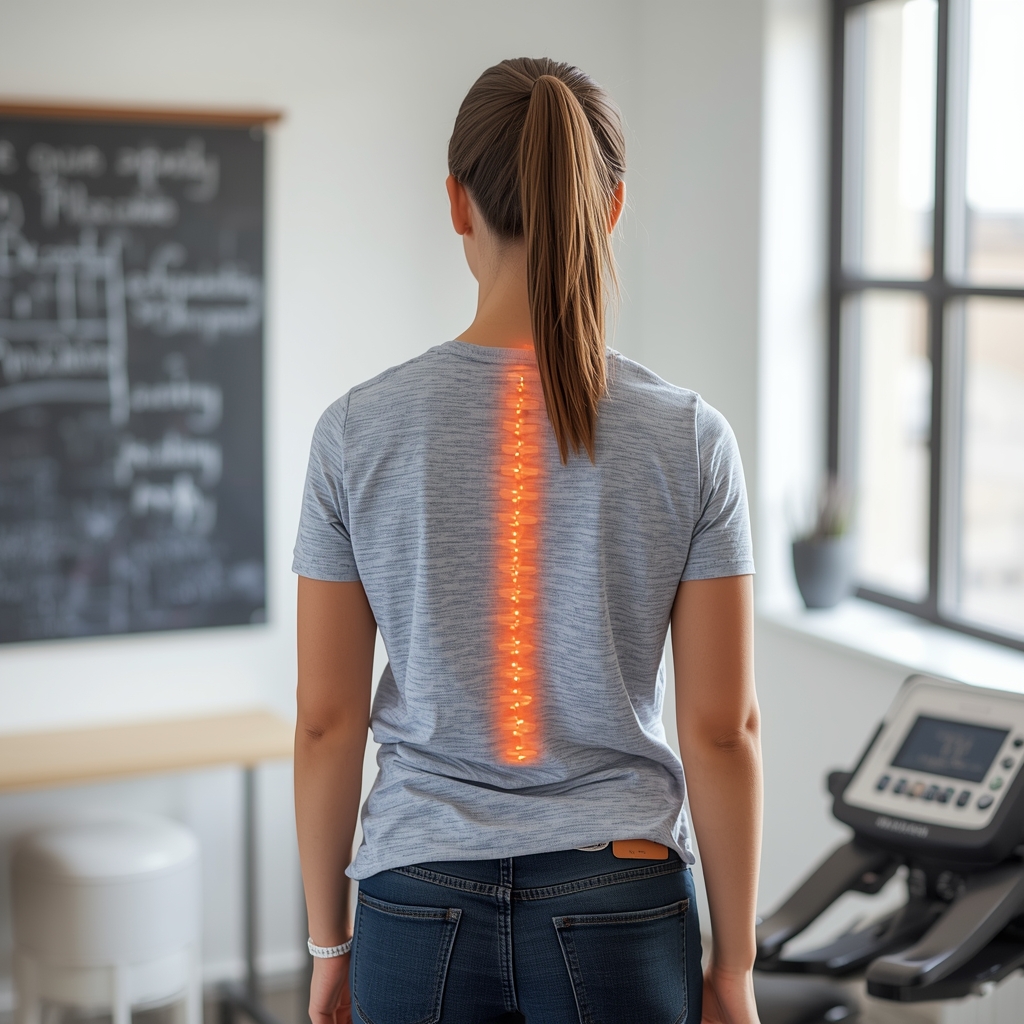
Introduction to the Case Study
A 15-year-old patient presented with a progressive spinal curvature diagnosed as scoliosis, causing discomfort and concerns about long-term mobility. Traditional treatment options, including bracing and surgical consultation, were discussed, but the family sought a non-surgical approach. A multidisciplinary plan combining chiropractic care and postural retraining was developed to address the condition holistically. This case highlights how integrating spinal adjustments with targeted posture correction can support structural balance and reduce progression risks. The patient’s journey underscores the potential of collaborative care in managing scoliosis, offering hope for those exploring alternatives to conventional interventions. By focusing on alignment, muscle function, and lifestyle factors, the approach aimed to improve the teen’s quality of life while minimizing the need for invasive measures.
The Role of Chiropractic Care in Scoliosis Management
Chiropractic care played a central role in the patient’s treatment by focusing on spinal alignment and nervous system function. Regular adjustments helped reduce pressure on nerves and improve biomechanical efficiency, which may alleviate pain and support spinal stability. Chiropractors emphasized gentle, repetitive techniques tailored to the teen’s curvature, aiming to prevent further misalignment. This approach complemented other therapies by addressing structural imbalances that could contribute to scoliosis progression. While chiropractic care alone may not reverse spinal curvature, it can enhance overall function and reduce symptoms. The patient’s care team monitored progress closely, adjusting strategies as needed to ensure safety and effectiveness. This case illustrates how chiropractic interventions, when part of a broader plan, can contribute to managing scoliosis in a personalized, non-invasive way.
Postural Retraining Techniques for Scoliosis
Postural retraining was a key component of the treatment, focusing on correcting muscle imbalances and improving alignment. The patient engaged in exercises designed to strengthen core and postural muscles while stretching tight areas contributing to spinal deviation. Techniques such as the Alexander Technique and Pilates were incorporated to enhance body awareness and movement patterns. Ergonomic adjustments to the teen’s workspace and daily habits further supported long-term postural improvements. By addressing how the body interacts with its environment, these strategies aimed to reduce strain on the spine and promote healthier movement. The combination of targeted exercises and lifestyle modifications helped the patient develop better posture, which may slow scoliosis progression. This holistic approach highlights the importance of integrating physical training with environmental factors in managing spinal conditions.
Collaborative Care: Integrating Chiropractic and Postural Strategies
The success of the treatment relied on close collaboration between the chiropractor, physical therapist, and the patient’s family. Regular assessments ensured that adjustments and postural exercises were aligned with the teen’s evolving needs. The team emphasized communication, adjusting the plan based on the patient’s feedback and progress. This coordinated effort allowed for a balanced approach, addressing both structural and functional aspects of scoliosis. For example, chiropractic adjustments were timed to complement postural exercises, maximizing their impact on spinal stability. The patient’s active participation was critical, as adherence to the program reinforced its effectiveness. This case demonstrates how a unified, patient-centered approach can enhance outcomes, offering a model for managing scoliosis through teamwork and adaptability.
Outcomes and Long-Term Benefits of the Multidisciplinary Approach
Over several months, the teen showed measurable improvements in posture and reduced discomfort, though scoliosis remained a chronic condition. The multidisciplinary approach helped stabilize the curvature, preventing further progression and enhancing the patient’s mobility. The teen reported increased confidence in daily activities and a greater sense of control over their health. Long-term benefits included better body mechanics, which may lower the risk of future complications. The family noted positive changes in the teen’s energy levels and overall well-being, underscoring the value of a comprehensive care plan. While results varied, the approach provided a foundation for ongoing management. This case highlights how integrating chiropractic care with postural strategies can offer meaningful support for scoliosis patients, emphasizing the importance of personalized, sustained efforts.
Encouragement for Patients and Families Exploring Alternative Treatments
This case study illustrates the potential of a multidisciplinary approach in managing scoliosis, offering an alternative to traditional interventions. While results may vary, the combination of chiropractic care and postural retraining demonstrates how non-invasive strategies can support spinal health. Patients and families considering similar options should consult qualified healthcare providers to develop a tailored plan. Open communication with a chiropractor and other specialists is essential to ensure safety and effectiveness. Every individual’s experience with scoliosis is unique, requiring personalized solutions. By exploring collaborative care models, patients can take an active role in their treatment journey. This approach not only addresses physical symptoms but also empowers individuals to make informed decisions about their long-term well-being.












