
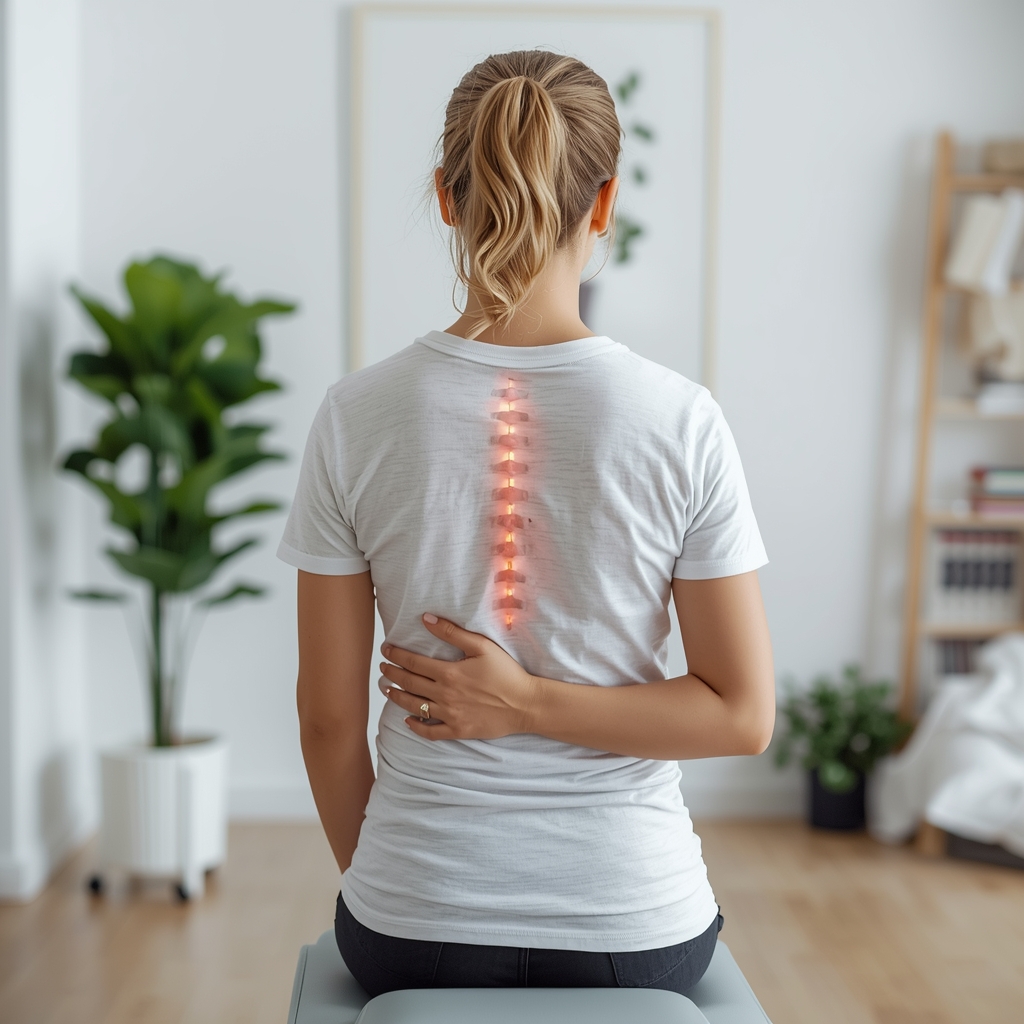
Understanding Mild Scoliosis in Teens
Mild scoliosis in adolescents refers to a sideways spinal curvature of 10-25 degrees, often detected during routine school screenings or pediatric checkups. While not always painful, it can affect posture, balance, and long-term spinal health if left unaddressed. The condition may progress during growth spurts, making early intervention critical. Non-surgical strategies like chiropractic care and postural training are commonly explored to manage symptoms and prevent worsening. These approaches focus on improving spinal alignment, strengthening supporting muscles, and correcting imbalances. Understanding the role of both methods helps families make informed decisions about their teen’s care. Chiropractors and physical therapists often collaborate to create personalized plans that prioritize comfort and functional improvement.
How Chiropractic Adjustments Support Spinal Alignment
Chiropractic adjustments involve manual manipulations to realign the spine and reduce pressure on nerves. For teens with mild scoliosis, these adjustments aim to improve mobility, ease discomfort, and potentially slow curvature progression. By addressing misalignments, chiropractors help restore balance to the musculoskeletal system. However, adjustments alone are not a cure; they work best when combined with other strategies. The goal is to create a stable foundation for the spine, allowing surrounding muscles to function more efficiently. Regular visits can help monitor changes and adjust techniques as the teen grows. It’s important to note that chiropractic care is part of a broader, non-invasive approach to managing scoliosis, not a standalone solution.
The Role of Postural Training in Scoliosis Management
Postural training focuses on re-educating the body to maintain proper alignment through targeted exercises and awareness. For teens with mild scoliosis, this includes strengthening core muscles, improving flexibility, and correcting habits like slouching or uneven weight distribution. Exercises such as yoga, Pilates, and specific corrective stretches can enhance spinal stability. Postural training also addresses daily activities, like sitting at a desk or carrying a backpack, which may contribute to imbalances. By reinforcing healthy movement patterns, this approach helps reduce strain on the spine and supports the benefits of chiropractic adjustments. Consistency is key, as long-term improvements require ongoing practice and mindfulness. When integrated with other methods, postural training can significantly contribute to a teen’s overall spinal health.
Complementary Benefits of Adjustments and Postural Training
Chiropractic adjustments and postural training work synergistically to address scoliosis from multiple angles. Adjustments provide immediate relief by reducing spinal restrictions, while postural training builds long-term strength and stability. Together, they create a balanced approach that supports the spine’s natural curvature and prevents further deviation. For example, adjustments may correct acute misalignments, while postural exercises reinforce proper positioning during daily activities. This combination can enhance mobility, reduce pain, and improve overall function. It also empowers teens to take an active role in their care, fostering independence and self-awareness. By addressing both structural and behavioral factors, these methods offer a holistic strategy for managing mild scoliosis without invasive procedures.
Working With a Chiropractor for Personalized Care
A chiropractor plays a vital role in designing a tailored plan for teens with mild scoliosis. They assess the spine’s condition, identify specific areas of concern, and recommend a combination of adjustments and postural exercises. Regular evaluations ensure the approach adapts to the teen’s growth and changing needs. Chiropractors may also collaborate with physical therapists or orthopedic specialists to refine the care plan. Open communication between the family, teen, and provider is essential for tracking progress and making adjustments as needed. This partnership ensures the strategies used are safe, effective, and aligned with the teen’s lifestyle. Ultimately, a chiropractor’s expertise helps maximize the benefits of non-surgical interventions while prioritizing the teen’s comfort and well-being.
Conclusion: A Holistic Approach to Scoliosis Care
Managing mild scoliosis in teens requires a comprehensive, non-surgical strategy that combines chiropractic adjustments and postural training. These methods address both structural and functional aspects of the condition, promoting spinal health and overall well-being. While adjustments offer immediate relief and alignment, postural training fosters long-term strength and awareness. Together, they empower teens to take control of their health while minimizing the risk of progression. It’s important to remember that each teen’s needs are unique, and care should be personalized under professional guidance. By integrating these approaches, families can support their teen’s development in a way that is safe, effective, and focused on long-term success.













