
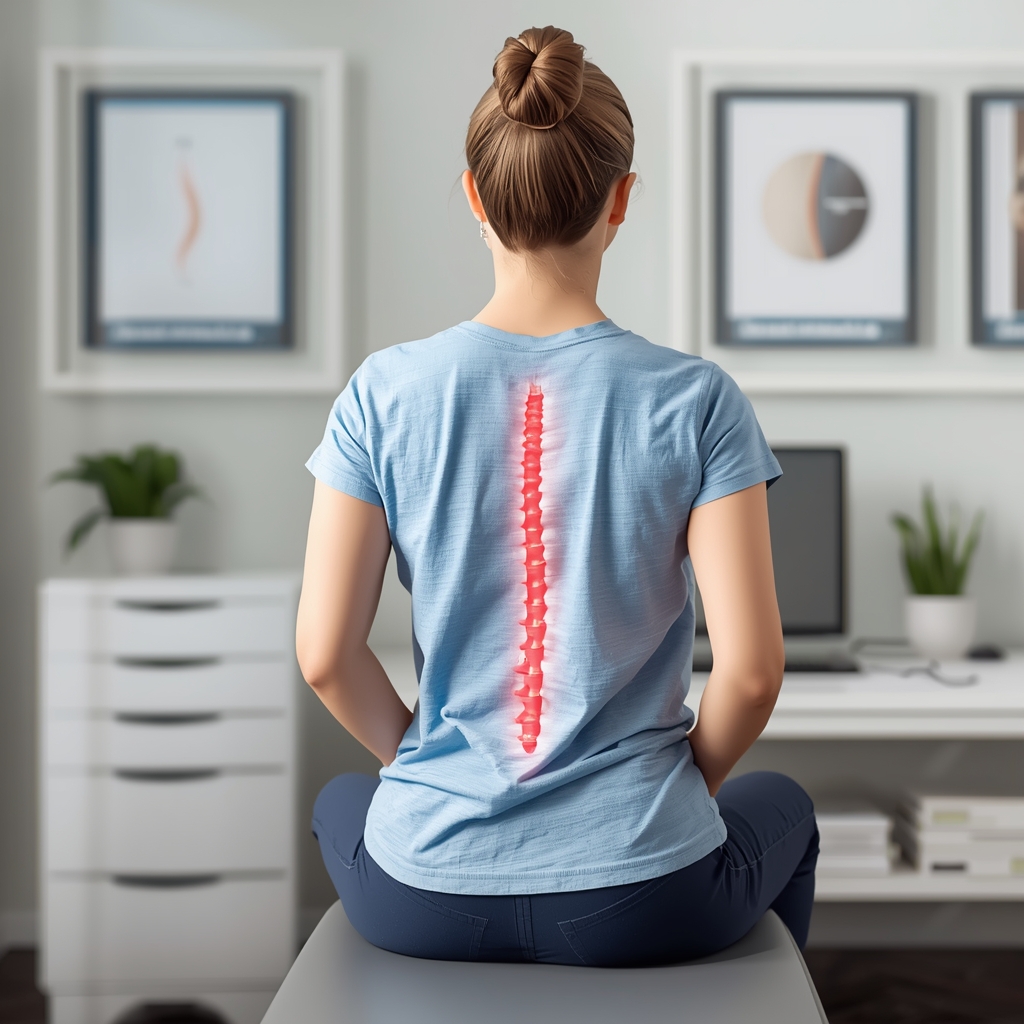
Understanding Scoliosis Progression in Teenagers
Scoliosis, characterized by an abnormal spinal curvature, often develops during adolescence when growth spurts accelerate. While mild cases may not require immediate intervention, rapid progression can lead to severe complications, including breathing difficulties or chronic pain. Early detection through regular screenings is critical. Chiropractors play a vital role in monitoring spinal alignment and identifying deviations from normal growth patterns. By focusing on non-invasive, proactive strategies, healthcare providers can help manage scoliosis before it necessitates bracing or surgery. This approach emphasizes the importance of addressing postural imbalances and muscle tightness, which may contribute to spinal curvature progression. Understanding the interplay between posture, muscle function, and skeletal development is key to developing effective, individualized care plans for young patients.
Postural Retraining: Correcting Imbalances
Postural retraining involves identifying and correcting faulty movement patterns that may exacerbate spinal curvature. In teenagers, poor posture—such as forward head positioning or uneven shoulder alignment—can place undue stress on the spine, potentially worsening scoliosis. Chiropractors use targeted exercises and manual techniques to retrain the body’s alignment, promoting more balanced muscle engagement. These interventions may include stretches to lengthen tight muscles and strengthening exercises to support weakened areas. By improving posture, patients can reduce the mechanical forces that contribute to spinal deformation. This approach is often combined with patient education on ergonomics and daily habits, empowering teens to maintain better posture independently. When implemented early, postural retraining may slow scoliosis progression and delay the need for bracing.
Myofascial Release: Alleviating Tension
Myofascial release is a soft tissue technique designed to relieve tension in the fascia—the connective tissue surrounding muscles. In scoliosis, imbalances in muscle tension can pull the spine out of alignment, accelerating curvature progression. Chiropractors use sustained pressure, massage, or specialized tools to release these restrictions, improving flexibility and reducing pain. This therapy can address tightness in areas like the thoracic region or hips, which often contribute to postural distortions. By restoring normal muscle function, myofascial release may help the spine maintain a more neutral position. It is typically used alongside other interventions, such as spinal adjustments or corrective exercises. While not a standalone solution, this technique supports overall spinal health and can be an important component of a comprehensive, non-surgical management plan for adolescent scoliosis.
Combining Techniques for Optimal Outcomes
Integrating postural retraining and myofascial release creates a holistic approach to managing scoliosis in teenagers. Postural retraining addresses the behavioral and biomechanical aspects of spinal alignment, while myofascial release tackles underlying muscular imbalances. Together, these methods can reduce the strain on the spine, potentially slowing curvature progression. Chiropractors may design personalized protocols that include regular adjustments, targeted exercises, and soft tissue work to maximize effectiveness. Consistency is key, as these interventions require ongoing commitment from both the patient and caregiver. By addressing both structural and functional factors, this combined strategy offers a proactive alternative to bracing in some cases. However, outcomes vary, and regular monitoring by a qualified provider is essential to track progress and adjust the plan as needed.
When to Consider Bracing and Beyond
While postural retraining and myofascial release may help manage mild scoliosis, bracing is often recommended for curves exceeding 20-25 degrees or when progression risks are high. Chiropractors work closely with orthopedic specialists to determine the best course of action based on the patient’s age, curve severity, and growth potential. These non-invasive techniques can complement bracing by improving posture and muscle strength, potentially enhancing the effectiveness of the brace. In some cases, consistent intervention may even reduce the need for bracing altogether. However, it is crucial to follow professional guidelines, as delaying necessary treatment could lead to more severe complications. Regular follow-ups and imaging, such as X-rays, help track spinal changes over time, ensuring the chosen approach remains appropriate for the patient’s evolving condition.
Collaborative Care for Adolescent Scoliosis
Managing scoliosis in teenagers requires a multidisciplinary approach, with chiropractors playing a supportive role alongside orthopedic care. Postural retraining and myofascial release offer non-invasive options to address musculoskeletal imbalances, potentially delaying the need for bracing. However, these techniques should always be part of a broader care plan tailored to the individual. Patients and families must work closely with healthcare providers to monitor progress and make informed decisions. Open communication with the chiropractor about any changes in symptoms or posture is essential. While these interventions cannot reverse scoliosis, they may contribute to better spinal health and quality of life. Ultimately, early, coordinated care remains the best strategy for managing scoliosis and minimizing long-term impacts on the adolescent’s physical well-being.













