
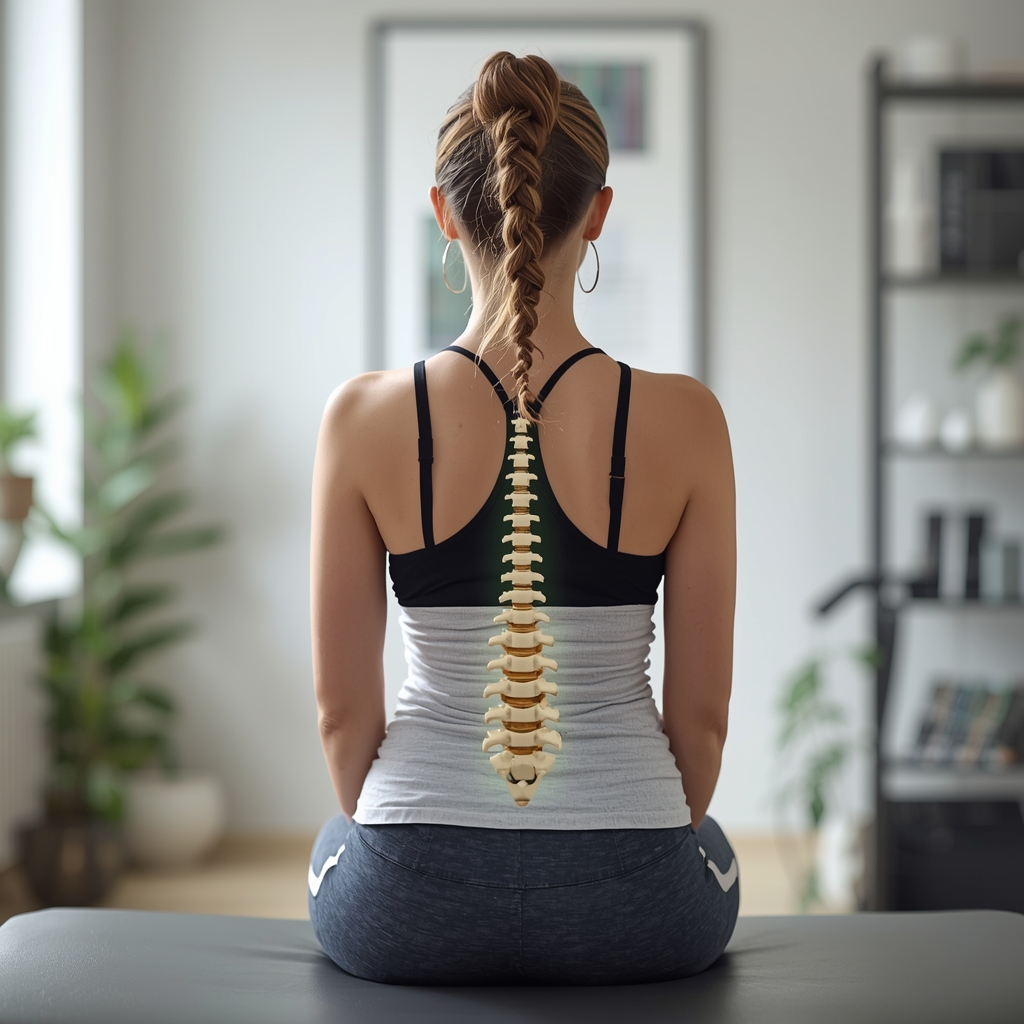
Understanding Early-Stage Scoliosis in Pre-Adolescents
Idiopathic scoliosis, the most common form in children and adolescents, involves abnormal spinal curvature without a clear cause. Early intervention is critical, as pre-adolescents are still growing, and spinal deformities can worsen without proper management. While bracing and surgery are options for more severe cases, non-invasive strategies like targeted exercises and postural retraining often play a foundational role. These approaches aim to strengthen musculature, improve alignment, and slow progression. Parents and caregivers should work with healthcare professionals to monitor curves and develop personalized plans. Regular movement, proper posture, and muscle balance are key factors in supporting spinal health during this developmental stage.
Exercise Programs for Spinal Alignment
Specific exercise programs designed for scoliosis focus on correcting imbalances and enhancing core stability. The Schroth method, a specialized physiotherapy approach, uses breathing techniques and postural corrections to address spinal curvature. Pilates and yoga can also help by improving flexibility, strength, and body awareness. Resistance training targeting the back, core, and postural muscles may support spinal stability. However, exercises should be tailored to the individual’s curve pattern and severity. A qualified physical therapist or chiropractor can guide these programs, ensuring they are safe and effective. Consistency is vital, as these exercises aim to reinforce proper alignment over time, potentially reducing the need for more invasive interventions.
Postural Retraining Techniques
Postural retraining involves re-educating the body to maintain proper alignment, which is especially important for children with scoliosis. Techniques like the Alexander Technique or ergonomic adjustments for sitting and standing can help reduce strain on the spine. Strengthening the muscles that support good posture—such as the deep core and postural stabilizers—can counteract imbalances. Children may also benefit from posture-specific exercises, like wall angels or chin tucks, which promote awareness of spinal positioning. These methods are often combined with daily habits, such as avoiding slouching or carrying heavy backpacks. By fostering mindful movement patterns, postural retraining can complement other therapies and support long-term spinal health.
The Role of Chiropractic Care in Early Intervention
Chiropractic care may be part of a multidisciplinary approach to managing early-stage scoliosis. Spinal adjustments can help improve mobility and reduce nerve interference, potentially supporting the body’s natural alignment. However, chiropractors typically focus on symptom management rather than correcting the curvature itself. Instead, they often collaborate with physical therapists to address musculoskeletal imbalances. For pre-adolescents, gentle adjustments combined with rehabilitative exercises may enhance overall spinal function. It’s essential to seek a chiropractor experienced in pediatric care and scoliosis management. Regular evaluations can track progress and adjust strategies as the child grows, ensuring interventions remain appropriate and effective.
Monitoring Progress and Adjusting Strategies
Regular monitoring is crucial for children with early-stage scoliosis, as spinal curves can evolve rapidly during growth spurts. Healthcare providers may use X-rays or physical exams to track changes and assess the effectiveness of interventions. If an exercise or postural program isn’t yielding results, adjustments may be necessary. This could involve modifying the intensity, type, or frequency of activities. Parents should observe their child’s posture, movement patterns, and any signs of discomfort. Open communication with the care team ensures that strategies stay aligned with the child’s needs. Flexibility in approach allows for ongoing optimization, increasing the likelihood of successful outcomes.
Collaborative Care for Optimal Outcomes
Managing early-stage scoliosis requires a team-based approach involving pediatricians, orthopedic specialists, physical therapists, and possibly chiropractors. Each professional contributes unique expertise to address different aspects of the condition. For example, a physical therapist might design an exercise program, while a chiropractor focuses on spinal function. Parents play a vital role in ensuring adherence to recommendations and monitoring daily habits. Education about scoliosis and its management empowers families to make informed decisions. By combining evidence-based practices with personalized care, children can achieve better spinal health and quality of life. Regular follow-ups and open dialogue with healthcare providers are essential for long-term success.














