
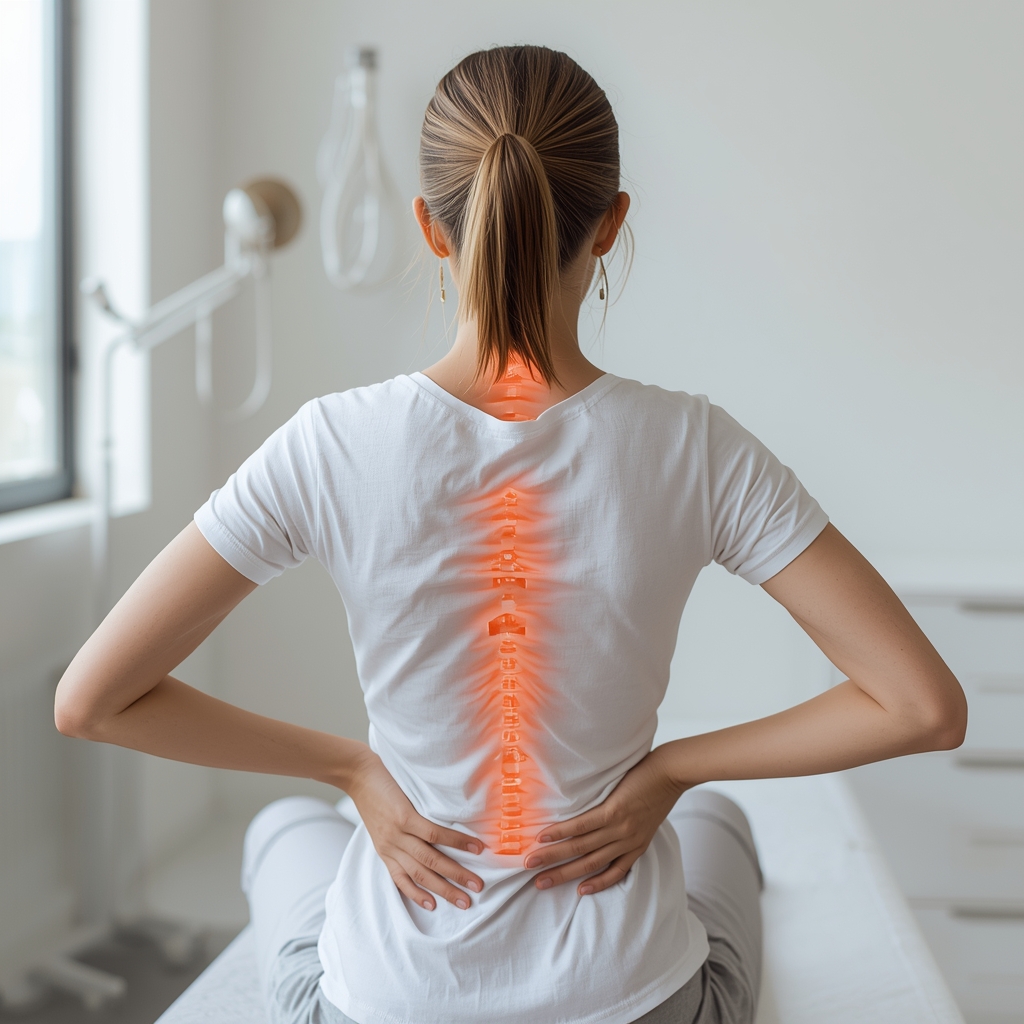
Understanding Early-Stage Scoliosis in Teens
Early-stage scoliosis in adolescents refers to a sideways spinal curvature of 10-25 degrees, often detected during routine school screenings or pediatric checkups. While mild cases may not cause immediate symptoms, they can progress if left unaddressed. Non-surgical chiropractic care focuses on managing symptoms, improving posture, and preventing further curvature. This approach emphasizes gentle interventions to support spinal health without invasive procedures. Teens with scoliosis may experience back pain, uneven shoulders, or visible spinal asymmetry. Chiropractors work alongside medical professionals to create personalized plans, ensuring care aligns with the child’s growth and development. Regular monitoring is key, as early intervention can significantly impact long-term outcomes.
Spinal Adjustments and Manual Therapy
Spinal adjustments, a cornerstone of chiropractic care, involve precise, controlled forces to realign the spine and improve mobility. For teens with early-stage scoliosis, these adjustments aim to reduce pressure on nerves, enhance posture, and alleviate discomfort. Techniques like diversified adjustments or flexion-distraction may be used, tailored to the patient’s age and condition. While adjustments cannot reverse spinal curvature, they can support musculoskeletal balance and promote better function. Chiropractors often combine these with soft tissue work to address muscle imbalances contributing to spinal misalignment. It’s important to note that adjustments should only be performed by licensed professionals, as improper technique could worsen symptoms. Families should discuss risks and benefits with a qualified provider before proceeding.
Corrective Exercises and Posture Training
Corrective exercises are a vital component of non-surgical scoliosis management, targeting muscle imbalances and improving spinal alignment. These exercises, often designed by chiropractors or physical therapists, focus on strengthening core muscles, enhancing flexibility, and correcting postural habits. Activities like Pilates, yoga, or specific scoliosis-focused routines may be recommended to support spinal stability. Posture training helps teens develop awareness of their body mechanics, reducing strain on the spine during daily activities. Consistency is crucial, as these exercises work gradually to reinforce proper alignment. While results vary, many patients report improved comfort and mobility over time. Always consult a healthcare provider to ensure exercises are safe and appropriate for the individual’s condition.
Soft Tissue Therapy and Myofascial Release
Soft tissue therapy addresses tension in muscles and connective tissues that may exacerbate spinal misalignment. Techniques like massage, myofascial release, or trigger point therapy can reduce muscle tightness, improve circulation, and ease discomfort associated with scoliosis. For teens, this approach helps alleviate pain caused by uneven muscle strain and promotes relaxation. Chiropractors may use tools like foam rollers or specialized instruments to target specific areas, such as the paraspinal muscles. By addressing soft tissue restrictions, these therapies can enhance the effectiveness of spinal adjustments and corrective exercises. However, they should complement, not replace, other treatment strategies. Patients should work with trained professionals to ensure safe and effective application of these techniques.
Incorporating Bracing and Orthotics
Bracing is sometimes recommended for teens with early-stage scoliosis to prevent progression of the curve. While not a chiropractic intervention per se, bracing may be integrated into a broader care plan under medical supervision. Chiropractors often collaborate with orthopedic specialists to monitor brace effectiveness and adjust other therapies accordingly. Orthotics, such as shoe inserts, can also help address leg length discrepancies or postural imbalances that may contribute to spinal strain. These supportive measures are most effective when combined with manual therapies and exercise. Families should discuss the risks, benefits, and compliance requirements of bracing with a healthcare provider. Regular follow-ups are essential to track progress and make necessary adjustments to the treatment strategy.
Monitoring and Long-Term Management
Managing early-stage scoliosis requires ongoing evaluation and adaptation of care strategies. Chiropractors emphasize regular check-ups to track spinal curvature, posture, and overall function. This monitoring helps identify changes early, allowing for timely adjustments to the treatment plan. Long-term management often involves a combination of spinal care, exercise, and lifestyle modifications. Teens and families must remain proactive in maintaining healthy habits, such as proper ergonomics and physical activity. While non-surgical methods cannot guarantee complete correction, they can significantly improve quality of life and reduce the risk of complications. Open communication with healthcare providers ensures that care remains personalized and effective throughout the adolescent years.














