
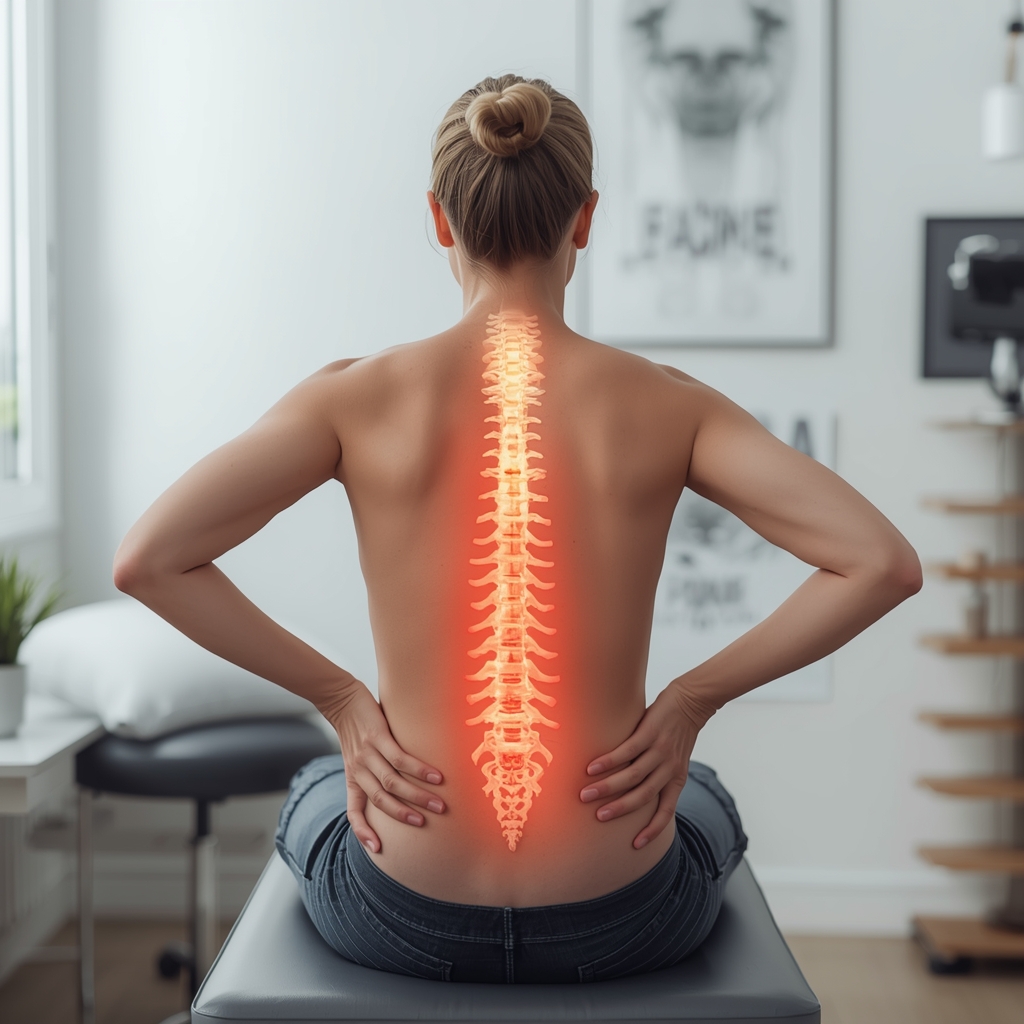
Understanding Lumbar Spinal Stenosis and Non-Surgical Options
Lumbar spinal stenosis occurs when the spinal canal in the lower back narrows, compressing nerves and causing pain, numbness, or weakness in the legs. This condition often develops due to age-related changes, such as bone spurs or thickened ligaments. While surgery is a common option, many patients seek non-surgical approaches to manage symptoms. Chiropractic care, including adjustments and decompression therapy, offers alternatives that focus on improving spinal function and reducing pressure on nerves. These methods aim to enhance mobility, alleviate discomfort, and support the body’s natural healing processes. Understanding how these treatments work can help individuals make informed decisions about their care. It’s important to consult a qualified chiropractor to determine the best plan for your specific needs.
How Chiropractic Adjustments Target Lumbar Spinal Stenosis
Chiropractic adjustments involve manual manipulations to realign the spine and restore proper function. For lumbar spinal stenosis, these adjustments can help reduce pressure on affected nerves by improving spinal curvature and joint mobility. By addressing misalignments, chiropractors may alleviate pain and enhance nerve communication between the spine and the body. This approach often focuses on the lumbar region, ensuring that vertebrae are properly positioned to prevent further compression. Adjustments can also stimulate the body’s natural healing mechanisms, promoting long-term relief. While results vary, many patients report improved flexibility and reduced discomfort after regular sessions. It’s crucial to work with a licensed chiropractor who can tailor adjustments to your condition and monitor progress over time.
The Role of Decompression Therapy in Alleviating Symptoms
Decompression therapy uses gentle traction to create space between spinal vertebrae, relieving pressure on nerves and discs. This non-invasive technique is often used for lumbar spinal stenosis to reduce inflammation and improve blood flow to affected areas. By decompressing the spine, the therapy can ease pain caused by nerve compression and promote healing. It may also help reposition bulging discs, which can contribute to stenosis symptoms. Sessions are typically performed on a specialized table that carefully adjusts spinal tension. Patients often experience gradual relief as the therapy addresses the root causes of discomfort. While decompression therapy is not a cure, it can be an effective part of a comprehensive treatment plan. A chiropractor can assess whether this approach suits your condition and recommend a tailored regimen.
Combining Adjustments and Decompression for Comprehensive Relief
Integrating chiropractic adjustments with decompression therapy can provide a multifaceted approach to managing lumbar spinal stenosis. Adjustments address spinal alignment, while decompression therapy reduces nerve pressure and promotes disc health. This combined strategy may enhance mobility, decrease inflammation, and support overall spinal stability. By targeting both structural and functional aspects of the condition, patients often experience more balanced relief. For example, adjustments might correct misalignments that contribute to stenosis, while decompression therapy alleviates immediate nerve compression. A chiropractor can design a customized protocol based on your symptoms and goals. Consistency is key, as these treatments often require multiple sessions to achieve optimal results. Working closely with a healthcare provider ensures that the approach remains safe and effective for your unique situation.
Benefits and Considerations of Non-Surgical Approaches
Non-surgical treatments like chiropractic adjustments and decompression therapy offer several advantages, including reduced recovery time and lower risks compared to surgery. These methods avoid the need for anesthesia and incisions, making them appealing for patients seeking less invasive options. Many individuals report improved quality of life through gradual symptom relief and enhanced mobility. However, it’s essential to recognize that results vary, and these treatments may not work for everyone. Factors such as the severity of stenosis and overall health can influence outcomes. Patients should also be aware of potential side effects, such as temporary soreness after adjustments. Open communication with a chiropractor is vital to address concerns and adjust the treatment plan as needed. Exploring these options can empower patients to take an active role in their care.
When to Consult a Chiropractor for Lumbar Spinal Stenosis
If you experience persistent lower back pain, leg discomfort, or difficulty walking, it’s wise to consult a chiropractor specializing in spinal conditions. A professional can evaluate your symptoms and determine if non-surgical treatments are suitable. During the initial visit, the chiropractor may perform a physical exam and review your medical history to create a personalized plan. They can also discuss the potential benefits and limitations of adjustments and decompression therapy. Early intervention may prevent symptoms from worsening and improve long-term outcomes. It’s important to seek care from a licensed provider with experience in lumbar spinal stenosis. By working with a trusted chiropractor, you can explore safe, effective options to manage your condition and maintain an active lifestyle.












