
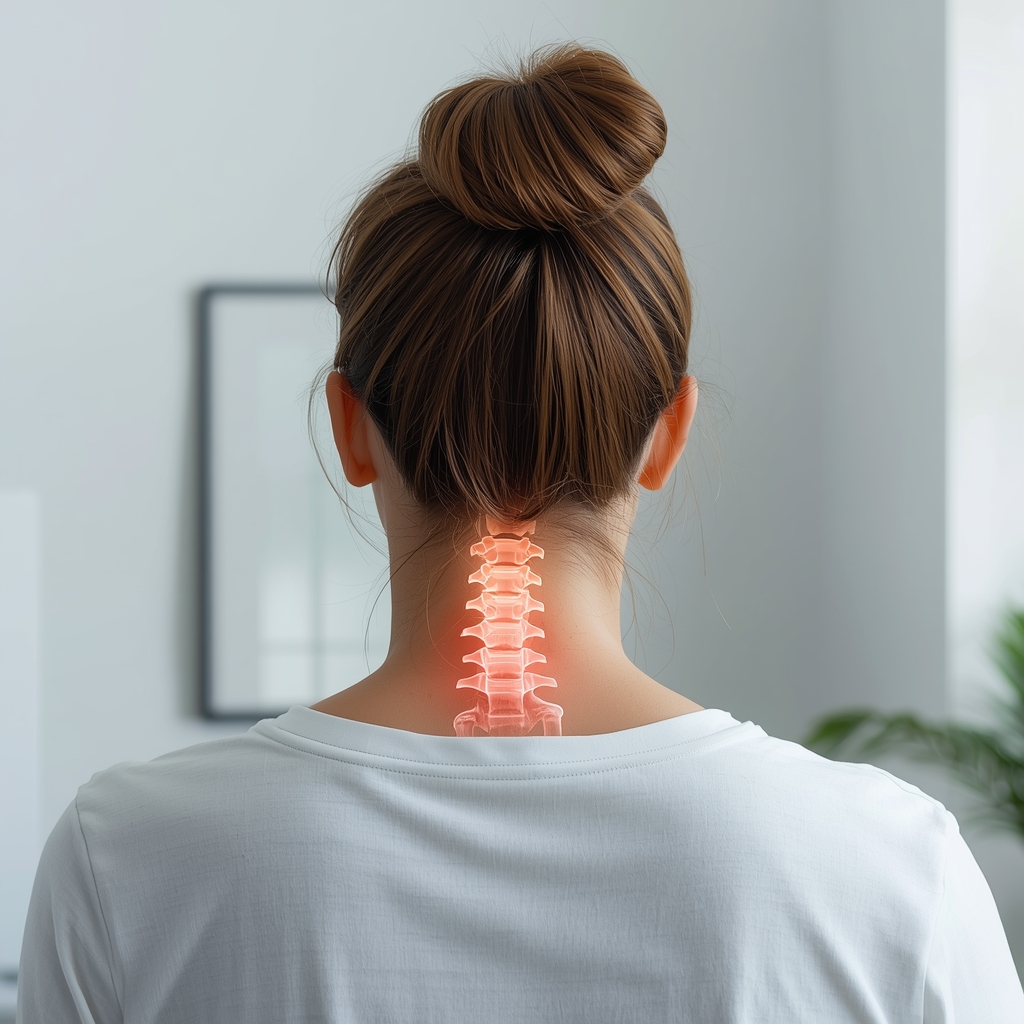
Understanding Cervical Stenosis and Decompression Therapy
Cervical stenosis refers to the narrowing of the spinal canal in the neck region, which can compress the spinal cord or nerves. This condition often causes pain, numbness, or weakness in the arms, hands, or legs. Decompression therapy aims to relieve this pressure by gently stretching the spine, creating more space for nerves and reducing inflammation. While decompression can be beneficial, it must be tailored to the patient’s specific needs. For multilevel cervical stenosis, protocols often combine mechanical traction with manual adjustments. However, the safety and effectiveness of these methods depend on proper technique, patient selection, and ongoing monitoring. A qualified chiropractor or spine specialist can evaluate the condition and recommend the most appropriate approach.
Non-Surgical Conservative Approaches
For many patients, non-surgical options like physical therapy, posture correction, and lifestyle modifications are the first line of treatment. These approaches focus on strengthening neck muscles, improving flexibility, and reducing strain on the cervical spine. Chiropractic adjustments may also be used to restore joint mobility and alleviate nerve compression. In some cases, mechanical decompression devices, such as cervical traction tables, are employed to gently stretch the spine. These methods are generally safe when performed by trained professionals. However, they may not be suitable for all patients, particularly those with severe stenosis or instability. A healthcare provider can help determine which conservative strategies align with the patient’s condition and goals.
Chiropractic Decompression Techniques
Chiropractic decompression often involves manual adjustments or specialized equipment to create negative pressure in the spinal discs, which may reduce nerve irritation. Techniques like flexion-distraction therapy are commonly used for cervical stenosis, as they can gently realign the spine and open up compressed spaces. These methods are typically non-invasive and may be combined with other therapies, such as soft tissue work or therapeutic exercises. However, the effectiveness of chiropractic decompression varies depending on the severity of the stenosis and the patient’s overall health. It is crucial to seek care from a licensed chiropractor with experience in spinal decompression. Patients should also communicate any discomfort or changes in symptoms during treatment to ensure safety and adjust the protocol as needed.
Surgical Options and When They Are Considered
When conservative treatments fail to provide relief, surgical intervention may be necessary. Procedures such as laminectomy, discectomy, or spinal fusion aim to decompress the spinal cord or nerves by removing bone or disc material. Surgery is typically reserved for severe cases where there is significant neurological impairment or progressive symptoms. While surgery can be effective, it carries risks such as infection, nerve damage, or limited mobility. Patients should thoroughly discuss the potential benefits and drawbacks with a spine surgeon. In some cases, decompression therapy may be used pre- or post-surgery to support recovery. The decision to pursue surgery should always involve a multidisciplinary team, including chiropractors, neurologists, and orthopedic specialists, to ensure the best outcomes.
Monitoring and Adjusting Treatment Plans
Effective decompression therapy requires ongoing evaluation and adjustments to the treatment plan. Regular follow-ups with a healthcare provider allow for tracking progress and addressing any emerging concerns. Patients may need periodic imaging, such as MRI or X-rays, to assess changes in the spine. If symptoms persist or worsen, the protocol may need to be modified. For example, a patient might transition from mechanical traction to manual adjustments or incorporate additional therapies like acupuncture. Open communication between the patient and provider is essential to ensure the approach remains safe and aligned with the individual’s needs. This collaborative process helps optimize results while minimizing risks associated with prolonged or inappropriate treatment.
Conclusion: Choosing the Right Approach
For patients with multilevel cervical stenosis, finding the right decompression protocol involves careful consideration of safety, effectiveness, and individual health factors. Non-surgical options like chiropractic care and physical therapy are often preferred due to their lower risk profiles, but they may not address all cases. In more severe situations, surgical intervention might be necessary. Regardless of the chosen path, collaboration with qualified healthcare professionals is critical. Patients should ask questions, understand potential risks, and stay informed about their treatment options. By working closely with a trusted provider, individuals can make informed decisions that support long-term spinal health and quality of life.














