
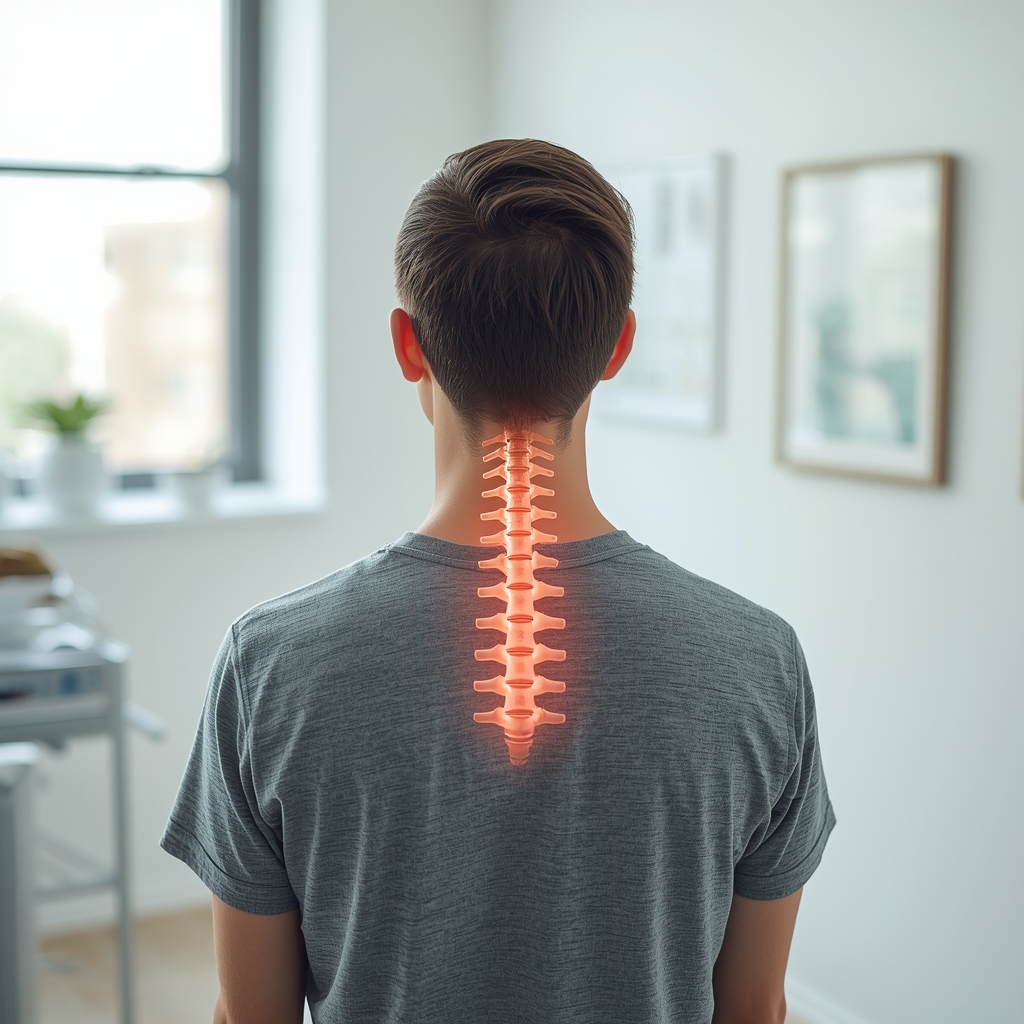
Understanding Cervical Stenosis and Decompression Therapy
Cervical stenosis occurs when the spinal canal in the neck narrows, potentially compressing the spinal cord or nerves. This condition can cause pain, numbness, and mobility issues. Spinal decompression therapy aims to relieve pressure on the spine by gently stretching the vertebrae, creating space for affected nerves. While decompression may offer relief, its safety and effectiveness depend on proper implementation. Patients should consult a licensed chiropractor to evaluate their specific condition. A thorough assessment ensures that decompression is appropriate and tailored to individual needs. This therapy is often part of a broader treatment plan, combining with other strategies to optimize outcomes. Understanding the goals and limitations of decompression helps patients make informed decisions about their care.
Types of Spinal Decompression Protocols
Spinal decompression for cervical stenosis includes mechanical traction devices and manual techniques performed by chiropractors. Mechanical systems use controlled, computerized forces to gently separate vertebrae, reducing pressure on nerves. Manual methods involve the chiropractor applying specific adjustments to the neck. Both approaches aim to alleviate symptoms but require precise execution to avoid complications. The choice of protocol depends on the patient’s condition, severity of stenosis, and overall health. Some protocols may involve intermittent traction, while others focus on sustained decompression. It is crucial to select a method that aligns with clinical guidelines and the patient’s comfort. A qualified provider will determine the most suitable approach through diagnostic imaging and patient history. This personalized strategy ensures safer, more effective results.
Safety Considerations for Cervical Decompression
While spinal decompression can be beneficial, it is not without risks. Patients with certain conditions, such as severe osteoporosis or spinal instability, may not be suitable candidates. A thorough medical evaluation is essential to identify contraindications and ensure safety. Chiropractors must adhere to established protocols to minimize adverse effects, such as increased pain or nerve irritation. Regular monitoring during treatment helps detect any complications early. Patients should communicate openly with their provider about symptoms or concerns. Safety also involves proper patient positioning and equipment calibration. By prioritizing caution and evidence-based practices, chiropractors can reduce risks and enhance the therapeutic benefits of decompression. Always follow professional guidance to avoid potential harm.
Integrating Decompression with Other Therapies
Spinal decompression is often most effective when combined with complementary treatments. Physical therapy, for example, can strengthen neck muscles and improve posture, supporting the decompression process. Chiropractors may also recommend ergonomic adjustments or lifestyle modifications to reduce strain on the cervical spine. In some cases, modalities like heat therapy or ultrasound may be used to enhance relaxation and circulation. A holistic approach addresses both structural and functional aspects of cervical stenosis. Patients should discuss all treatment options with their provider to create a cohesive plan. This integration ensures that decompression works in harmony with other interventions, maximizing long-term benefits. Consistency and adherence to the treatment strategy are key to achieving optimal results.
Patient Selection and Customized Treatment Plans
Not all patients with cervical stenosis will respond similarly to decompression therapy. Factors such as the location and severity of stenosis, overall health, and previous treatments influence outcomes. A personalized approach ensures that the chosen protocol aligns with the patient’s unique needs. Chiropractors may start with a trial period of decompression, adjusting techniques based on progress and feedback. Regular follow-ups allow for ongoing assessment and modifications to the plan. Patients should be aware that results may vary and that patience is often required. Open communication with the provider helps address concerns and refine the strategy. By tailoring decompression to individual circumstances, chiropractors can enhance safety and effectiveness, promoting better quality of life for patients.
Conclusion: Balancing Safety and Efficacy in Cervical Decompression
Spinal decompression can be a valuable tool for managing cervical stenosis, but its success hinges on careful implementation. Patients must work with experienced chiropractors who prioritize safety and evidence-based practices. While decompression may relieve pressure and improve mobility, it is not a standalone solution for all cases. Combining it with other therapies and lifestyle adjustments often yields the best results. Regular monitoring and open dialogue with healthcare providers are essential to navigate potential challenges. Ultimately, the goal is to create a balanced, individualized plan that addresses both symptoms and underlying factors. By staying informed and collaborative, patients can make empowered decisions about their care and well-being.













