
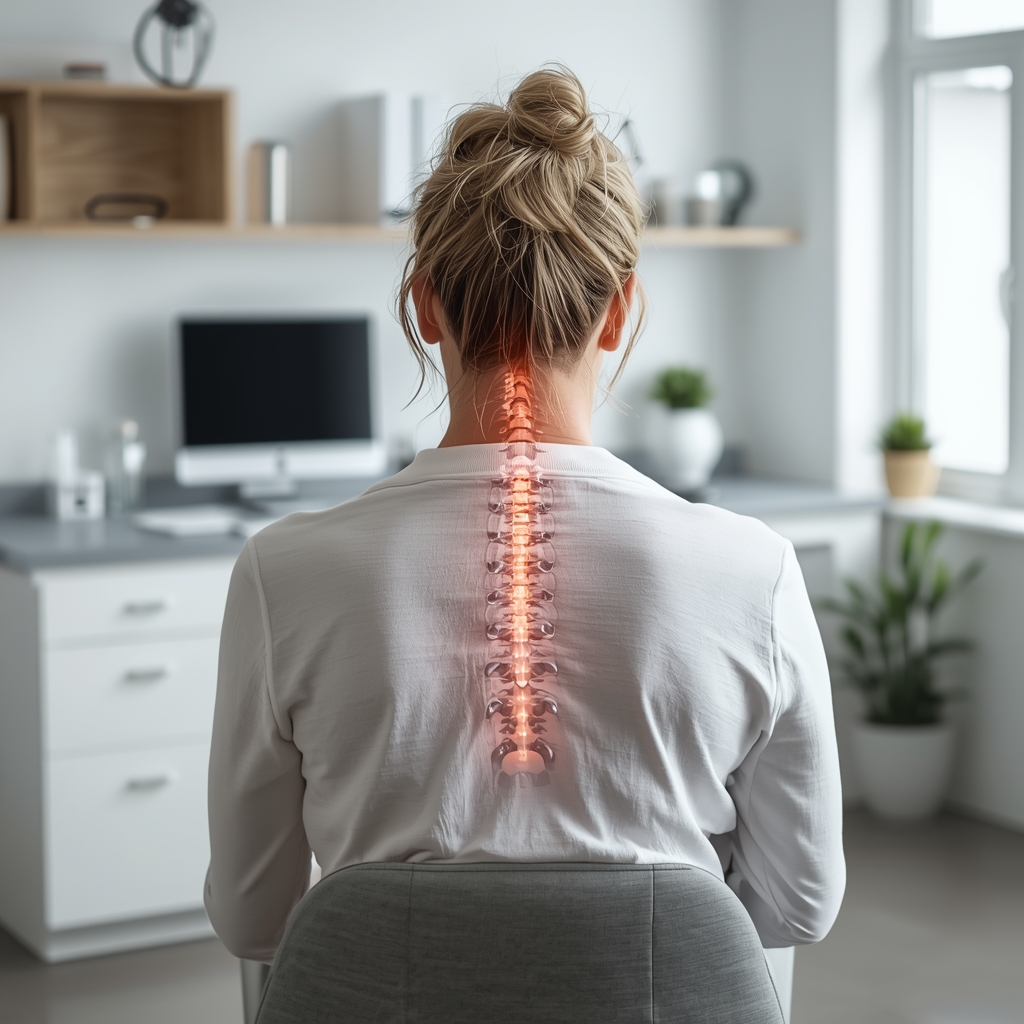
Understanding Cervical Spinal Stenosis
Cervical spinal stenosis occurs when the spinal canal in the neck narrows, compressing the spinal cord or nerve roots. This condition often develops gradually due to age-related changes, such as bone spurs, thickened ligaments, or herniated discs. Symptoms may include neck pain, radiating arm pain, numbness, weakness, or difficulty with balance and coordination. While some individuals experience mild discomfort, others face significant functional limitations. The condition is distinct from lumbar stenosis, focusing specifically on the cervical spine. Management typically involves a combination of conservative therapies, medications, and, in severe cases, surgical intervention. Understanding the role of spinal decompression in this context requires examining how it addresses the underlying mechanics of the condition.
What Is Spinal Decompression Therapy?
Spinal decompression therapy is a non-surgical treatment designed to relieve pressure on the spine by gently stretching the spine using a specialized table or device. This process can create negative pressure within the discs, potentially encouraging the retraction of bulging or herniated discs and reducing nerve compression. It is often used for conditions like herniated discs, sciatica, and spinal stenosis. In the cervical region, decompression may target the neck area to alleviate symptoms caused by narrowed spinal canals. The therapy is typically administered by a licensed chiropractor or physical therapist and may be combined with other treatments, such as manual adjustments or therapeutic exercises. While not a standalone solution, decompression therapy aims to improve mobility, reduce pain, and enhance overall spinal function.
Role of Decompression in Cervical Spinal Stenosis
Spinal decompression may play a supportive role in managing cervical spinal stenosis by addressing mechanical factors contributing to nerve or spinal cord compression. By reducing pressure on affected nerves, it could help alleviate pain, numbness, and weakness in the arms or hands. Some practitioners suggest that decompression might improve disc hydration and promote a healthier spinal environment, though these effects are not universally proven. It is important to note that decompression therapy is not a cure for stenosis but may offer symptom relief for certain patients. Its effectiveness often depends on the severity of the condition, the presence of other spinal issues, and individual response to treatment. As with any therapy, outcomes vary, and a personalized approach is essential for optimal results.
Indicators of Effectiveness in Patients
Patients with cervical spinal stenosis may benefit from decompression therapy if they experience specific symptoms or conditions. Those with mild to moderate stenosis, localized neck pain, or radicular symptoms (like arm numbness) often report improvements. Individuals who have not found relief through conservative measures, such as physical therapy or medications, may consider decompression as an alternative. However, it is less likely to be effective for severe cases involving significant spinal cord compression or instability. Factors like the duration of symptoms, overall spinal health, and the absence of contraindications (e.g., osteoporosis, spinal tumors) also influence outcomes. A thorough evaluation by a healthcare provider is crucial to determine if decompression therapy aligns with a patient’s unique needs and goals.
Safety and Considerations
While spinal decompression is generally considered safe, it is not without risks. Some patients may experience temporary discomfort, muscle spasms, or increased pain during or after treatment. Individuals with certain conditions, such as severe osteoporosis, spinal fractures, or instability, may not be suitable candidates. It is essential to consult a qualified chiropractor or physician before starting decompression therapy to ensure it is appropriate for the patient’s specific condition. The therapy should be part of a comprehensive care plan, potentially combined with other interventions like manual adjustments, exercise, or lifestyle modifications. Patients should also be aware that results may vary and that ongoing monitoring is necessary to assess progress and adjust the treatment approach as needed.
Conclusion: A Collaborative Approach to Care
Spinal decompression therapy may offer a non-invasive option for managing symptoms of cervical spinal stenosis, particularly for patients seeking alternatives to medication or surgery. However, its effectiveness depends on individual factors, and it should not be viewed as a universal solution. Patients considering decompression should work closely with a licensed chiropractor to evaluate their condition and explore all available treatment options. A personalized, multidisciplinary approach—incorporating decompression, physical therapy, and other supportive strategies—can help optimize outcomes. As research continues to evolve, staying informed and partnering with healthcare professionals remains key to making well-informed decisions about spinal care.












