
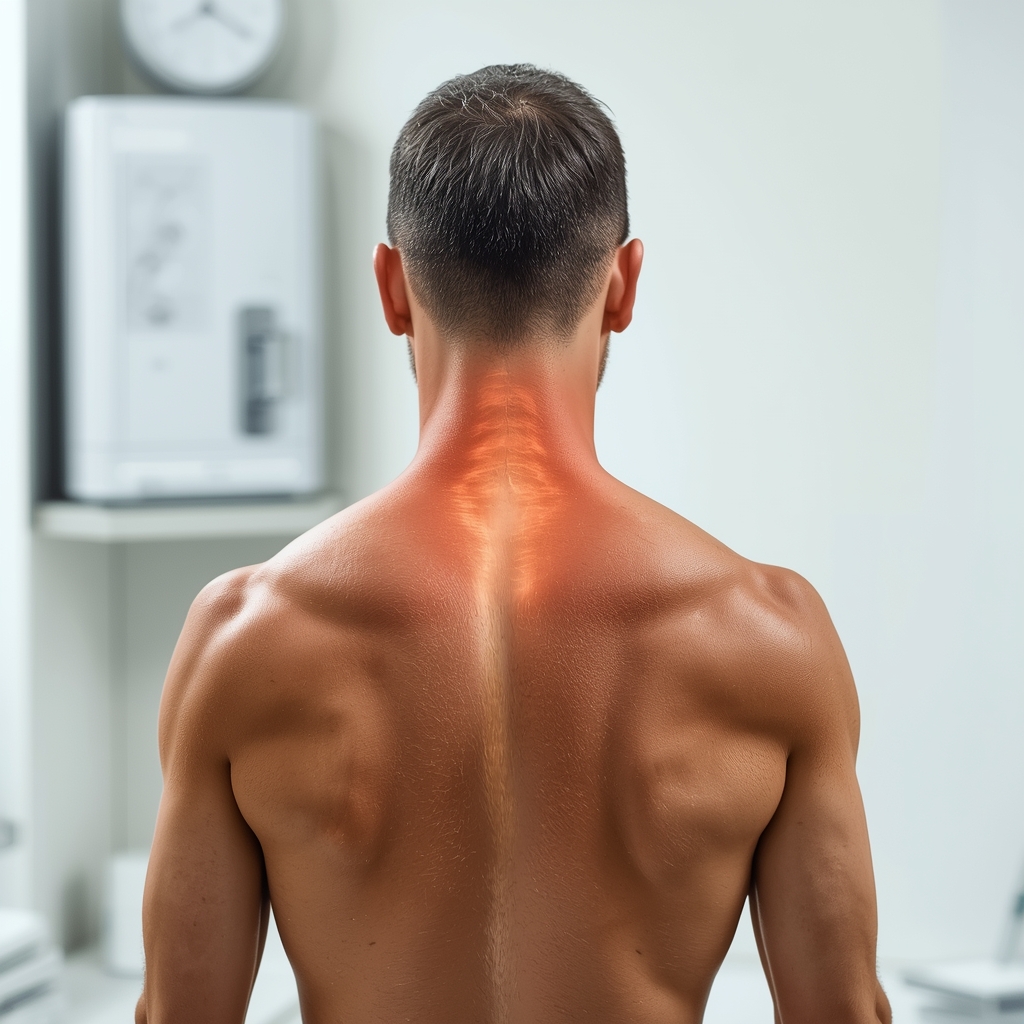
Understanding the Subscapularis Muscle and Its Role in Shoulder Pain
The subscapularis is one of the four muscles in the rotator cuff, located on the front of the shoulder blade. It plays a critical role in stabilizing the shoulder joint and enabling internal rotation of the arm. Overhead athletes, such as swimmers, baseball pitchers, and volleyball players, often experience repetitive strain on this muscle due to frequent overhead motions. This can lead to microtears, inflammation, and the formation of adhesions—abnormal bands of scar tissue that restrict movement and cause pain. When these adhesions develop, they disrupt the muscle’s normal function, contributing to discomfort and reduced range of motion. Understanding the subscapularis’s anatomy and its susceptibility to injury is essential for addressing shoulder pain in athletes effectively.
How Adhesions Form and Impact Shoulder Function
Adhesions in the subscapularis typically form as a result of repetitive stress, poor posture, or inadequate recovery after physical activity. These adhesions act like internal scar tissue, binding muscle fibers together and limiting their ability to glide smoothly during movement. This restriction can cause pain, stiffness, and weakness, particularly during overhead activities. Athletes may notice decreased performance, such as slower throws or reduced swimming efficiency, as the muscle struggles to function properly. Additionally, adhesions can irritate surrounding nerves and tissues, exacerbating discomfort. Without intervention, these issues may progress, leading to chronic pain or compensatory movements that strain other parts of the body. Recognizing the signs of adhesion-related shoulder pain is the first step toward targeted treatment.
Active Release Technique (ART) and Its Mechanism of Action
Active Release Technique (ART) is a soft tissue therapy that focuses on breaking down adhesions and restoring normal muscle function. During an ART session, a chiropractor or trained practitioner applies precise pressure to the affected area while the patient actively moves their arm through a range of motion. This combination of manual pressure and movement helps to separate adhered muscle fibers, reduce tension, and improve blood flow. For the subscapularis, ART targets the specific adhesions that form due to repetitive overhead motions. By addressing these restrictions, ART can alleviate pain, enhance mobility, and support the muscle’s natural healing process. The technique is often used in conjunction with other therapies to optimize outcomes for athletes dealing with chronic shoulder issues.
Why Overhead Athletes Benefit from ART for Subscapularis Adhesions
Overhead athletes are particularly prone to subscapularis adhesions due to the high volume of repetitive, forceful movements their sport demands. ART offers a targeted approach to address these adhesions without invasive procedures. By manually breaking down scar tissue and restoring the muscle’s elasticity, ART can reduce pain and improve shoulder mechanics. Athletes often report faster recovery times and better performance after ART sessions, as the therapy helps prevent further injury by ensuring proper muscle function. Additionally, ART can be part of a broader rehabilitation plan, including stretching and strengthening exercises, to support long-term shoulder health. For those experiencing persistent shoulder pain, ART provides a non-surgical option to regain mobility and return to their sport with confidence.
Integrating ART into a Comprehensive Treatment Plan
While ART is effective at addressing subscapularis adhesions, it works best when integrated into a broader treatment strategy. A chiropractor may combine ART with other therapies such as myofascial release, corrective exercises, and posture correction to ensure lasting results. For overhead athletes, strengthening the rotator cuff and surrounding muscles is essential to prevent future adhesions and reduce the risk of re-injury. Additionally, addressing biomechanical imbalances—such as poor shoulder blade positioning—can enhance the effectiveness of ART. Patients are often advised to follow a tailored rehabilitation program to maintain progress and avoid recurrence. By combining ART with these complementary approaches, athletes can achieve improved shoulder function and a reduced likelihood of chronic pain.
Consulting a Chiropractor for Personalized ART Treatment
Each athlete’s shoulder condition is unique, making it crucial to consult a qualified chiropractor for an individualized assessment. A chiropractor can identify subscapularis adhesions through physical examination and patient history, then develop a treatment plan tailored to the athlete’s specific needs. While ART is a powerful tool, its success depends on proper technique and patient compliance. Athletes should discuss their symptoms and activity levels with their provider to ensure the therapy aligns with their goals. Regular follow-ups may be necessary to monitor progress and adjust the approach as needed. By working closely with a chiropractor, overhead athletes can effectively manage shoulder pain, enhance performance, and reduce the risk of long-term complications.














