
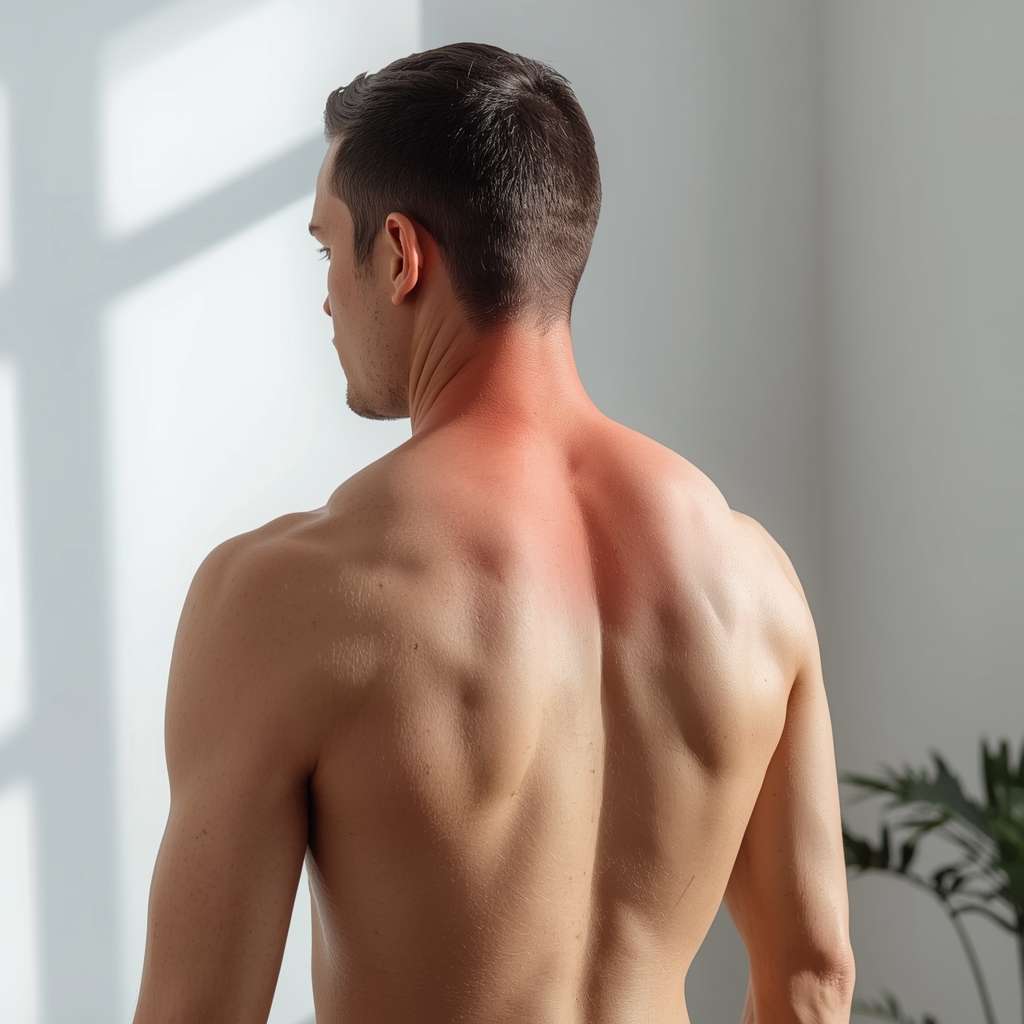
Understanding Active Release Technique and the Rotator Cuff
Active Release Technique (ART) is a soft tissue system designed to evaluate and treat problems with muscles, tendons, ligaments, and nerves. It focuses on identifying and breaking down scar tissue and adhesions that form in response to overuse, injury, or repetitive strain. The rotator cuff, a group of four muscles (supraspinatus, infraspinatus, teres minor, and subscapularis) that stabilize the shoulder joint, is particularly vulnerable to such issues. When these muscles become tight or develop adhesions, they can restrict movement, cause pain, and reduce shoulder function. ART provides a targeted approach to address these problems by restoring normal tissue texture, motion, and function. This technique is widely used by chiropractors and physical therapists to help patients regain mobility and alleviate discomfort in the shoulder area.
What Are Myofascial Adhesions and Their Impact?
Myofascial adhesions are bands of rigid, fibrous tissue that form within the fascia—the connective tissue surrounding muscles. These adhesions can develop due to injury, inflammation, or repetitive motions, leading to restricted movement and pain. In the rotator cuff, adhesions may cause the muscles to lose their elasticity, making it difficult to perform overhead movements or lift objects. Over time, this can lead to chronic shoulder pain and reduced range of motion. The fascia’s role in maintaining muscle function means that untreated adhesions can create a cycle of stiffness and discomfort. ART addresses this by manually breaking down these adhesions, allowing the muscles to move more freely. This process not only relieves pain but also helps restore the shoulder’s natural biomechanics, which is essential for daily activities and athletic performance.
How ART Targets Rotator Cuff Adhesions
During an ART session, a practitioner uses their hands to apply precise pressure and tension to the affected muscles while the patient actively moves their arm through specific ranges of motion. This combination of pressure and movement helps to separate and release adhesions within the rotator cuff. The technique is tailored to the individual’s needs, with the practitioner identifying areas of restriction and focusing on those regions. By targeting the exact sites of adhesion, ART can improve blood flow, reduce inflammation, and restore normal muscle function. The process also helps to break down scar tissue that may have formed after an injury, further enhancing mobility. Because the rotator cuff is a complex network of muscles, ART requires a detailed understanding of its anatomy to ensure effective treatment. This precision makes ART a valuable tool for addressing shoulder-specific issues that other therapies may overlook.
Benefits of ART for Shoulder Mobility
One of the primary benefits of ART for the rotator cuff is its ability to enhance shoulder mobility by eliminating adhesions that limit movement. Patients often experience reduced pain and improved range of motion after a series of sessions, allowing them to perform daily tasks and exercises more comfortably. ART also promotes better muscle coordination, which is crucial for maintaining shoulder stability. By addressing the root cause of stiffness rather than just the symptoms, ART can prevent recurring issues and support long-term recovery. Athletes, in particular, may find ART beneficial for maintaining peak performance and reducing the risk of overuse injuries. Additionally, the technique can complement other treatments, such as physical therapy or chiropractic adjustments, to provide a comprehensive approach to shoulder health. For individuals suffering from chronic shoulder pain, ART offers a non-invasive option that focuses on restoring function and quality of life.
The ART Session Process for Rotator Cuff Issues
A typical ART session for rotator cuff adhesions begins with a thorough assessment to identify areas of restriction and determine the best approach. The chiropractor or practitioner will then use their hands to apply pressure to the affected muscles while guiding the patient through specific movements. This active participation helps to stretch and realign the tissues, breaking down adhesions and restoring normal function. The process may involve multiple passes over the same area, depending on the severity of the adhesions. Patients often feel a sense of release or increased mobility during and after the session. The number of sessions required varies based on individual needs, with some experiencing relief after a single visit and others needing ongoing care. It’s important to note that ART is most effective when combined with a personalized rehabilitation plan, which may include stretching, strengthening exercises, and lifestyle modifications to prevent future issues.
Consulting a Professional for ART Treatment
While ART can be highly effective for addressing rotator cuff adhesions, it is essential to seek treatment from a qualified practitioner who has undergone specialized training in the technique. A chiropractor or physical therapist with experience in ART can accurately assess your condition and develop a tailored treatment plan. They will also monitor your progress and adjust the approach as needed to ensure optimal results. It’s important to communicate openly with your provider about your symptoms, medical history, and goals to maximize the benefits of ART. Additionally, following any recommendations for home care or exercises can support the healing process. By working with a knowledgeable professional, you can safely and effectively address myofascial adhesions, improve shoulder mobility, and reduce pain. Always consult with a healthcare provider before starting any new treatment to ensure it aligns with your overall health needs.














