
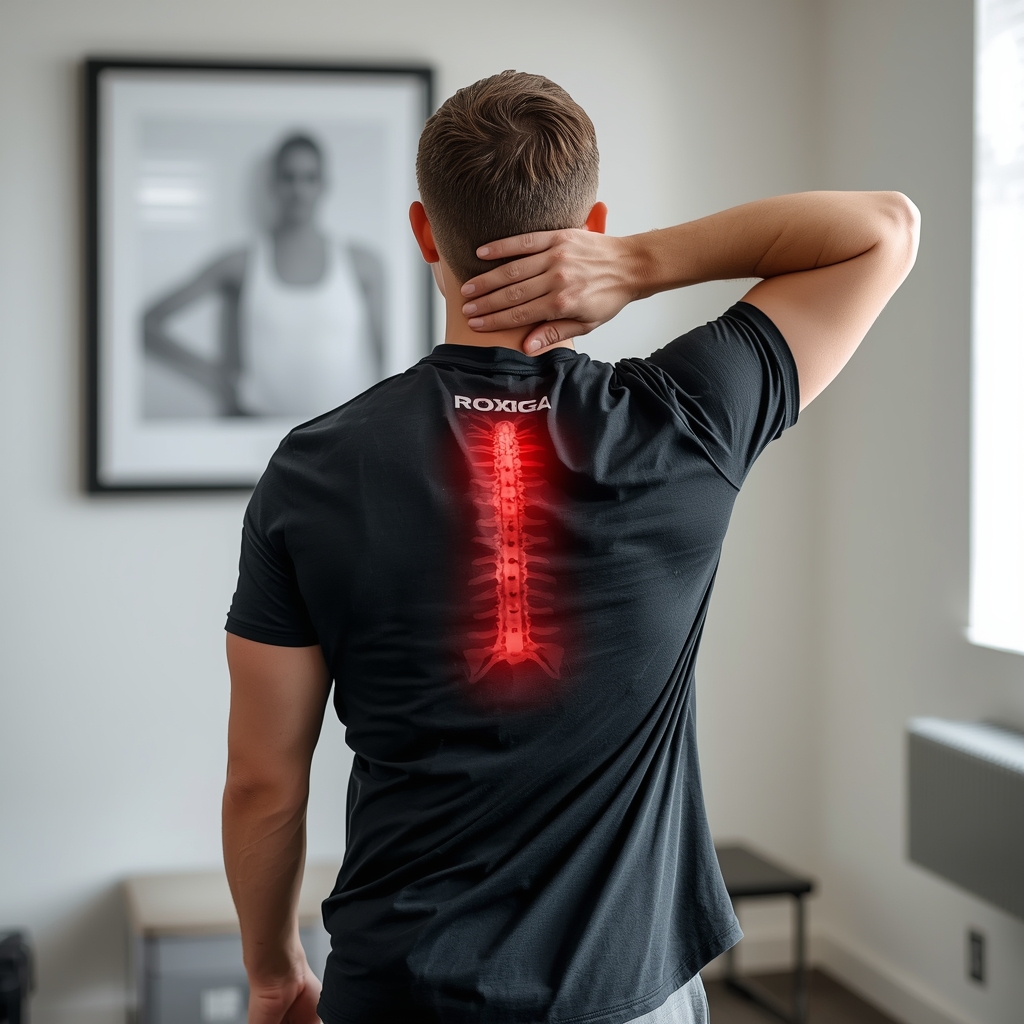
Understanding Active Release Technique (ART) and Its Role in Musculoskeletal Care
Active Release Technique (ART) is a soft tissue therapy designed to address issues caused by scar tissue, adhesions, and muscle imbalances. It involves applying targeted pressure while the patient moves, breaking up restrictions and restoring normal function. For overhead athletes, whose repetitive motions strain the rotator cuff, ART offers a non-invasive approach to alleviate pain and improve mobility. By focusing on specific areas of tension, ART helps reestablish proper biomechanics, which is critical for athletes needing full range of motion. The technique is particularly valuable for conditions where traditional methods fall short, as it addresses the root cause rather than just symptoms. While widely used in sports medicine, its application requires precision to avoid further injury. Chiropractors and physical therapists trained in ART can tailor sessions to individual needs, ensuring safe and effective outcomes.
Rotator Cuff Adhesions: A Common Challenge for Overhead Athletes
Overhead athletes, such as baseball pitchers, swimmers, and volleyball players, frequently experience rotator cuff adhesions due to repetitive overhead motions. These adhesions form when scar tissue develops between the tendons and surrounding structures, limiting movement and causing pain. The condition often leads to reduced shoulder mobility, increased risk of injury, and diminished athletic performance. Without intervention, adhesions can worsen, creating a cycle of discomfort and dysfunction. Athletes may notice stiffness, especially after rest, or pain during specific movements. The complexity of the rotator cuff’s anatomy means adhesions can be challenging to diagnose and treat. Early recognition is key, as untreated adhesions may progress to more severe issues like tendinitis or tears. Understanding the unique demands of overhead sports helps practitioners develop targeted strategies to address these challenges effectively.
Tailoring ART for Rotator Cuff Adhesions in Athletes
ART’s effectiveness for rotator cuff adhesions lies in its ability to isolate and treat specific soft tissue restrictions. Practitioners use their hands to apply pressure while guiding the athlete through controlled movements, targeting areas of adhesion. For overhead athletes, this often involves precise manipulation of the supraspinatus, infraspinatus, and subscapularis muscles. The technique is adjusted based on the athlete’s pain levels, range of motion, and sport-specific demands. For example, a swimmer may require focus on the posterior rotator cuff, while a pitcher might need attention to the anterior structures. The process is dynamic, with adjustments made in real time to ensure optimal results. By addressing both the adhesions and the surrounding musculature, ART helps restore balance and function. This tailored approach minimizes the risk of re-injury and supports the athlete’s return to peak performance.
Assessing and Diagnosing Rotator Cuff Adhesions Before ART
Before initiating ART, a thorough assessment is crucial to identify the extent of rotator cuff adhesions. Practitioners typically begin with a detailed patient history, including sport-specific activities and injury patterns. Physical exams, such as range-of-motion tests and resisted strength assessments, help pinpoint areas of restriction. Imaging, like MRI or ultrasound, may be used to visualize soft tissue damage, though ART often relies on manual palpation for real-time feedback. Athletes might report pain during specific movements or a sensation of tightness in the shoulder. The assessment also considers biomechanical factors, such as scapular stability and posture, which can contribute to adhesion formation. A comprehensive evaluation ensures that ART is applied accurately, avoiding unnecessary pressure on unaffected areas. This step is vital for creating a personalized treatment plan that addresses the athlete’s unique needs.
ART Treatment Strategies for Overhead Athletes
During ART sessions, practitioners use their hands to apply pressure while the athlete performs specific movements, breaking up adhesions and restoring mobility. For rotator cuff issues, this often involves targeting the subacromial space, biceps tendon, and scapular stabilizers. The intensity and duration of each session are adjusted based on the athlete’s tolerance and progress. Multiple sessions may be needed to achieve lasting results, with follow-up assessments guiding adjustments. Complementary techniques, such as myofascial release or corrective exercises, can enhance outcomes by addressing underlying muscle imbalances. Athletes are often advised to avoid overuse during recovery and to incorporate stretching routines. The goal is to not only relieve current symptoms but also prevent future adhesions. By integrating ART into a broader rehabilitation plan, practitioners support the athlete’s long-term musculoskeletal health and performance.
Benefits and Outcomes of ART for Rotator Cuff Adhesions
ART has shown significant benefits for athletes with rotator cuff adhesions, including reduced pain, improved range of motion, and enhanced functional performance. By breaking down scar tissue and restoring normal tissue glide, the technique helps athletes regain full shoulder mobility. Many report quicker recovery times and a lower risk of re-injury when ART is part of a comprehensive care plan. The non-invasive nature of ART makes it an attractive option for athletes seeking to avoid surgery or prolonged downtime. However, outcomes depend on factors like the severity of adhesions, the athlete’s adherence to rehabilitation, and the expertise of the practitioner. Consistent follow-up and adjustments ensure sustained progress. While ART is not a standalone solution, its integration with other therapies can lead to long-term improvements in shoulder health and athletic performance.













